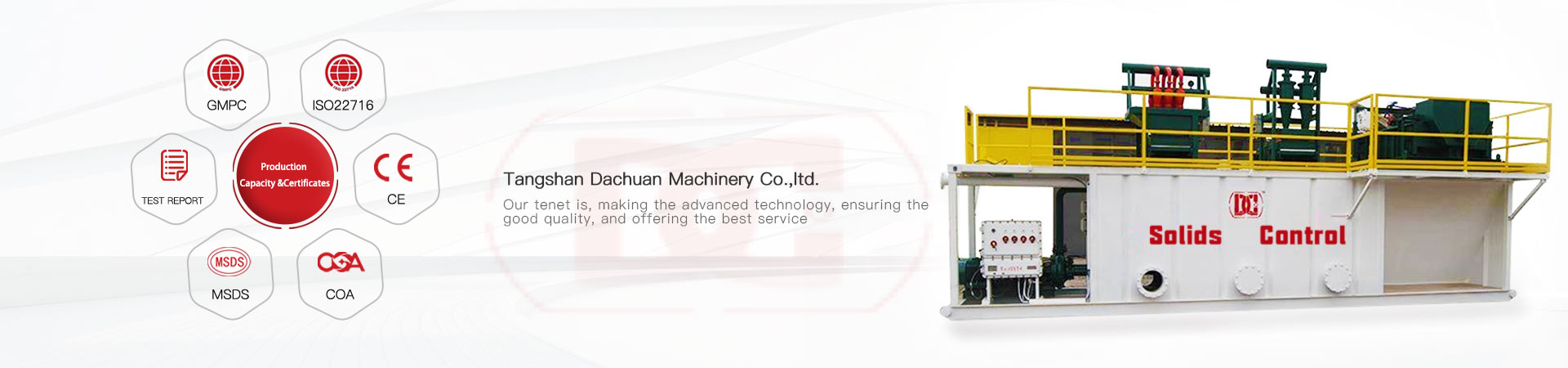
In the high-stakes environment of global energy exploration, the efficiency of a drilling operation is often measured by the precision of its fluid management. The drilling fluid, or mud, serves as the primary interface between the mechanical power of the rig and the geological realities of the subsurface. However, as the drill bit grinds through rock, it continuously introduces "cuttings"—fine particles and debris that threaten the chemical and physical equilibrium of the mud. This is where the integration of high-performance solids control equipment becomes the defining factor between a profitable operation and one plagued by non-productive time. By removing these undesirable solids while preserving the expensive liquid phase, a rig can maintain optimal performance even in the most challenging formations.
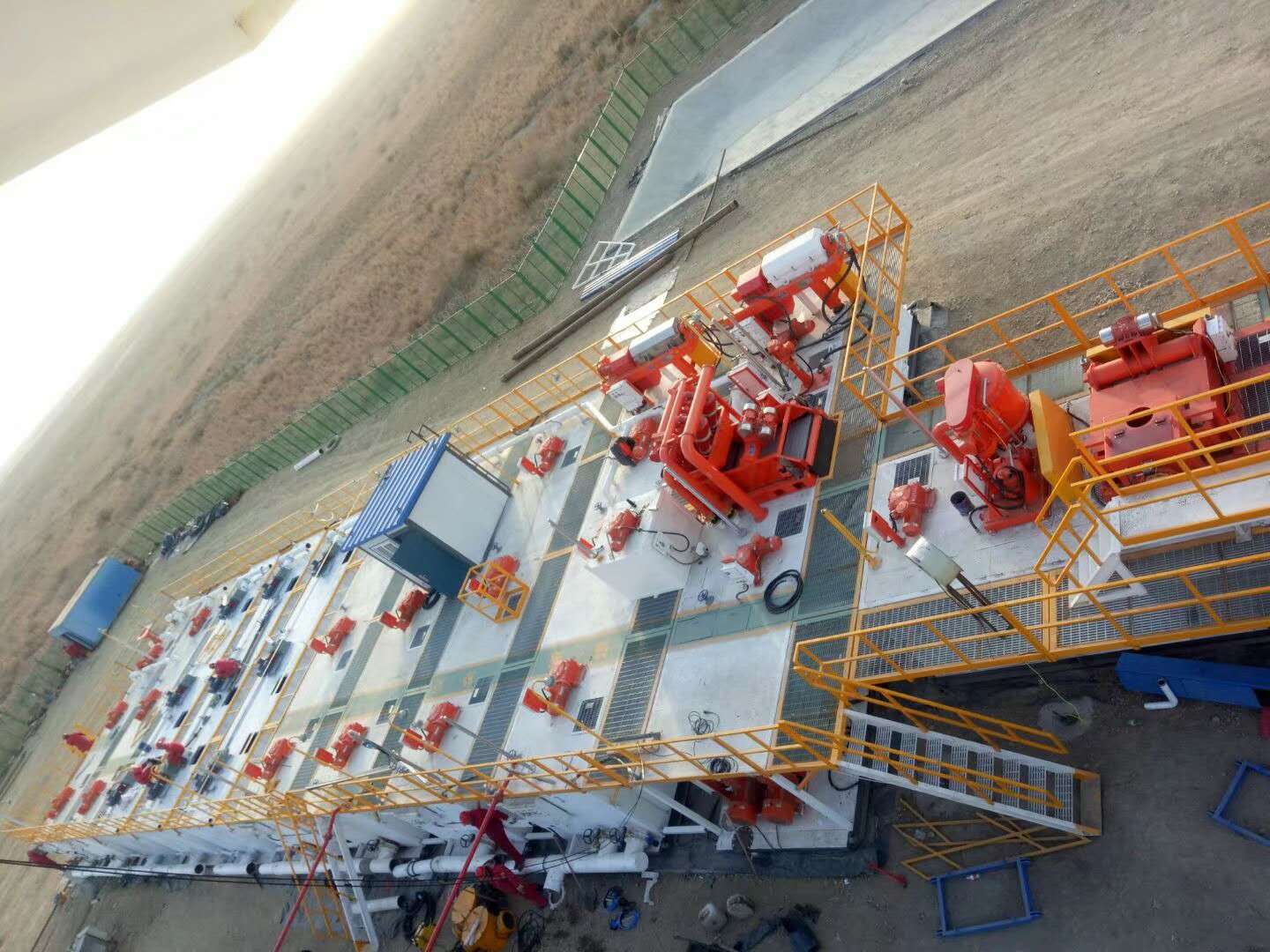
The Mechanical Foundation of High-Efficiency Drilling Solids Control
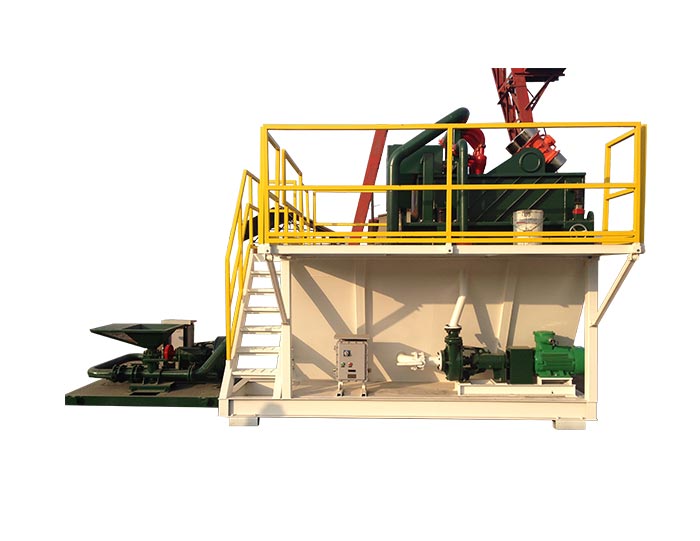
To understand the impact of drilling solids control on rig performance, one must first appreciate the cascading consequences of poor fluid quality. When solids are allowed to recirculate downhole, they act as an abrasive paste, rapidly eroding the internal components of mud pumps, drill strings, and sophisticated measurement-while-drilling (MWD) tools. A robust solids control strategy utilizes a multi-staged approach to mechanical separation, ensuring that particles are stripped away in descending order of size.
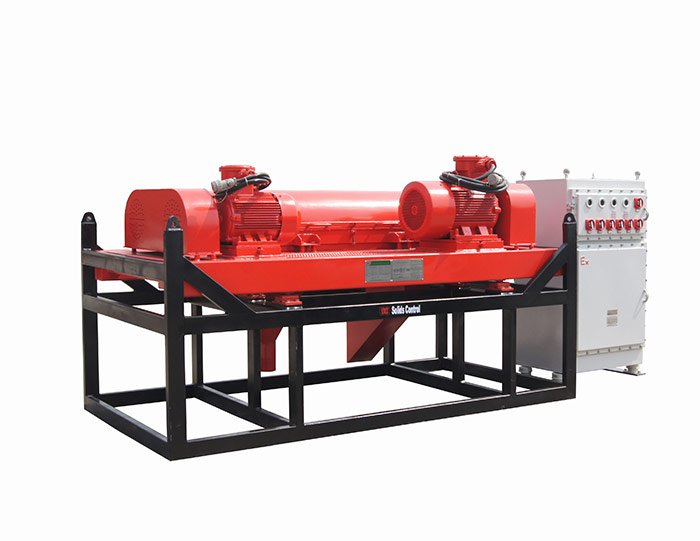
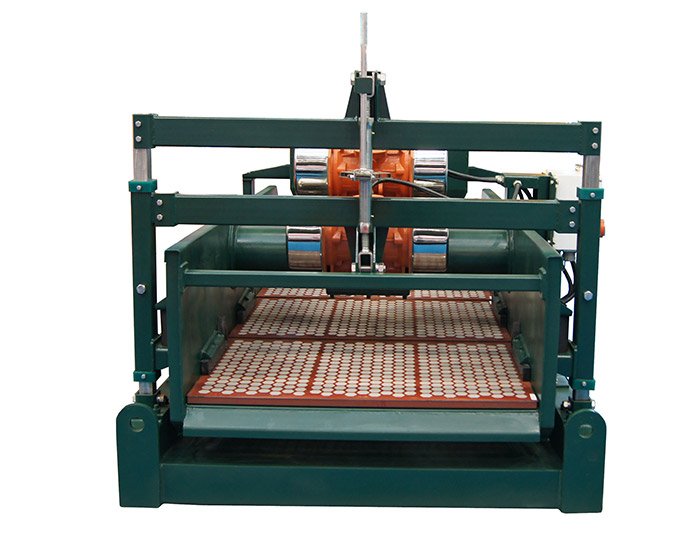
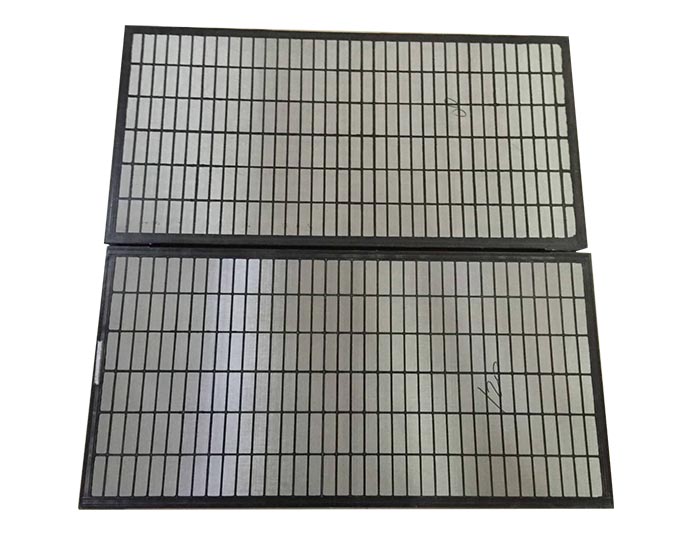
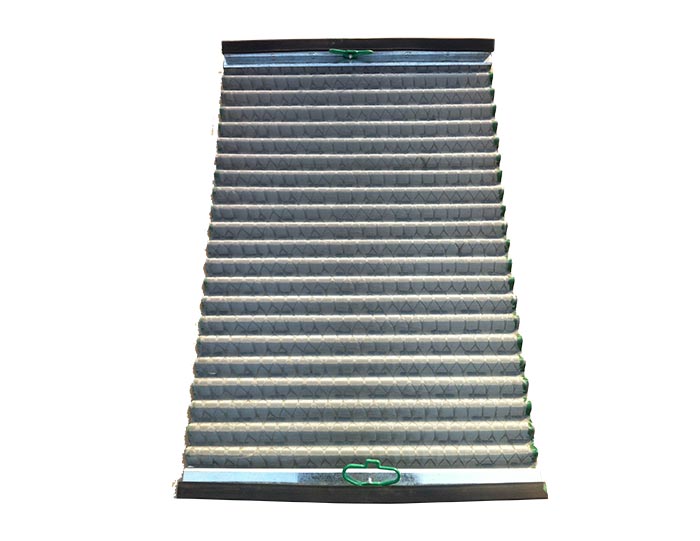
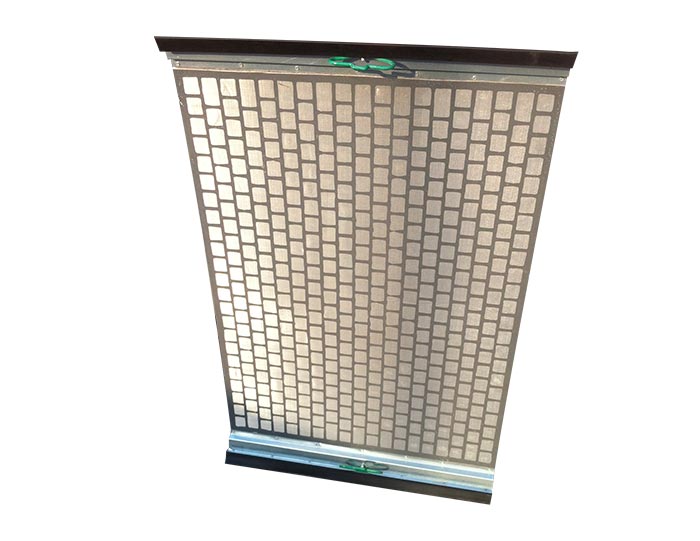
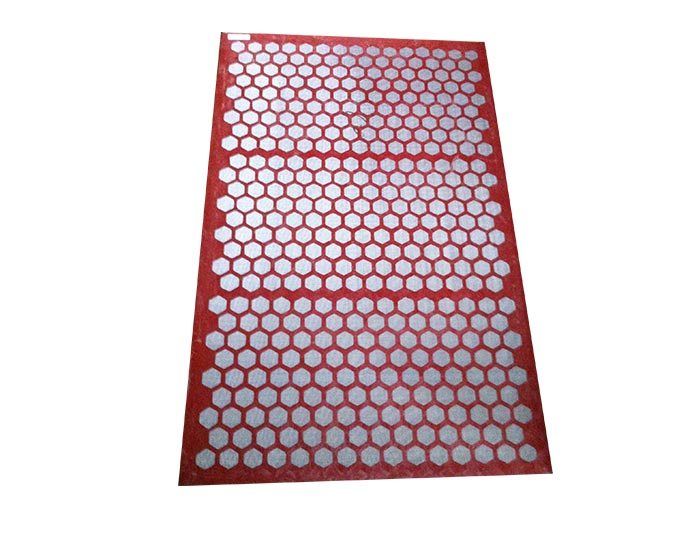
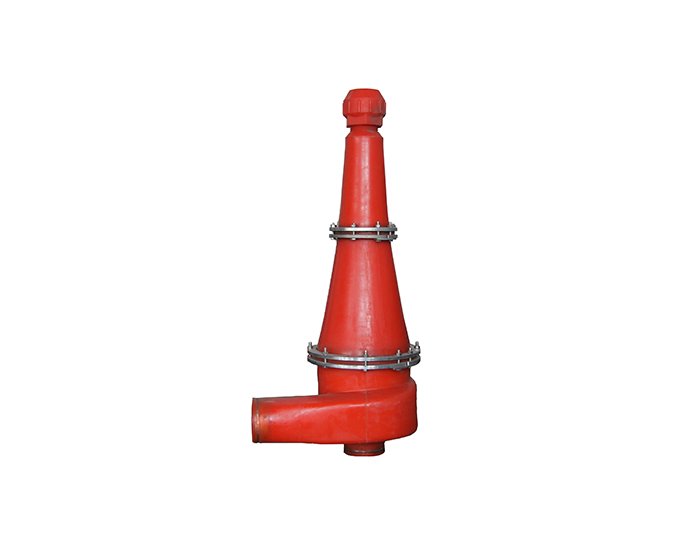
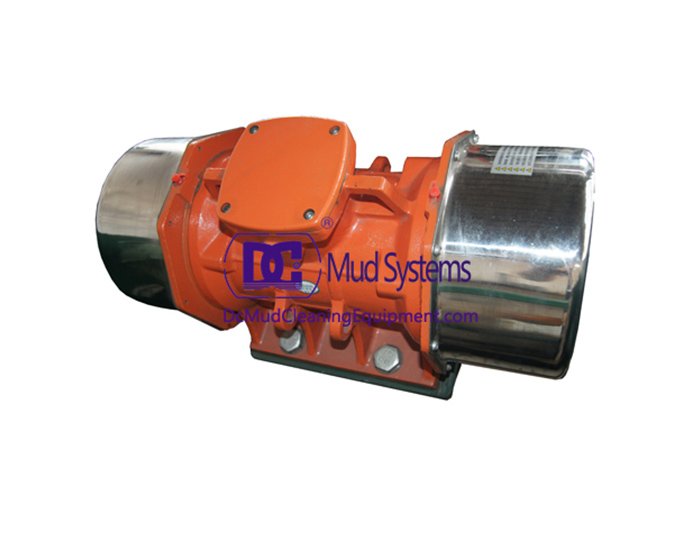
The process begins at the shale shakers, which utilize high-frequency vibration and precision-engineered screens to scalp the largest cuttings from the returning flow. But the true mastery of drilling solids control lies in the subsequent stages, where hydrocyclones and centrifuges target the microscopic fines that shakers cannot capture. By maintaining a low "solids by volume" percentage, the rig operator ensures that the mud remains thin enough for high-speed circulation but thick enough to carry new cuttings to the surface. This balance is critical for maximizing the rate of penetration (ROP), as cleaner mud reduces the "chip hold-down" effect, allowing the bit to bite deeper into the rock with every rotation.
Maximizing Hydraulic Efficiency with the Mud Cleaner Drilling Rig Configuration
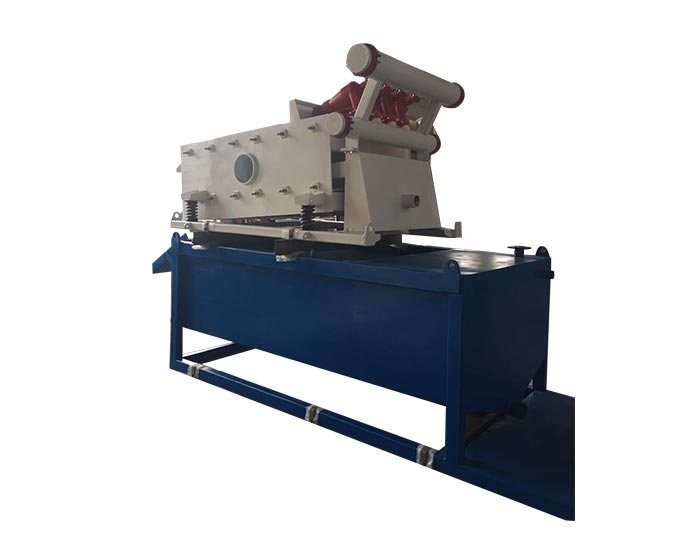
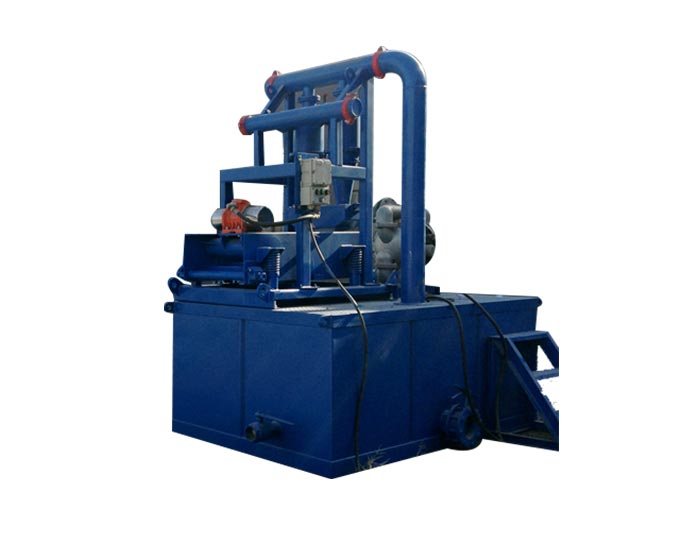
The configuration of a mud cleaner drilling rig represents a sophisticated evolution in rig design, where the cleaning circuit is treated as a core engine component rather than a peripheral utility. A mud cleaner is a hybrid piece of equipment that combines the centrifugal power of desanders and desilters with the fine-screening capability of a secondary shaker. This specific setup is indispensable for rigs operating in sensitive environments or deepwater blocks where the cost of the drilling fluid itself can reach millions of dollars.
When a rig utilizes an advanced mud cleaner, it effectively "polishes" the mud. The hydrocyclones concentrate the solids into a heavy underflow, which is then dropped onto an extremely fine mesh screen. This allows for the recovery of valuable weighting agents like barite while discarding the silts and clays that would otherwise increase the viscosity of the fluid. From a performance standpoint, a mud cleaner drilling rig experiences significantly lower torque and drag. Because the fluid is free of excess solids, the lubricity of the mud is maintained, allowing the drill string to rotate with less resistance. This not only speeds up the drilling process but also reduces the fuel consumption of the rig’s primary power generators, leading to a leaner and more sustainable operation.
Integrating Advanced Solids Control Systems for Long-Term Asset Protection
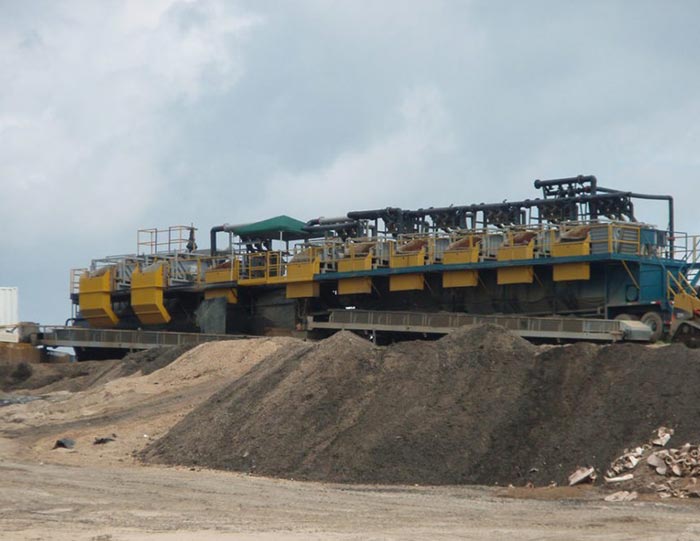
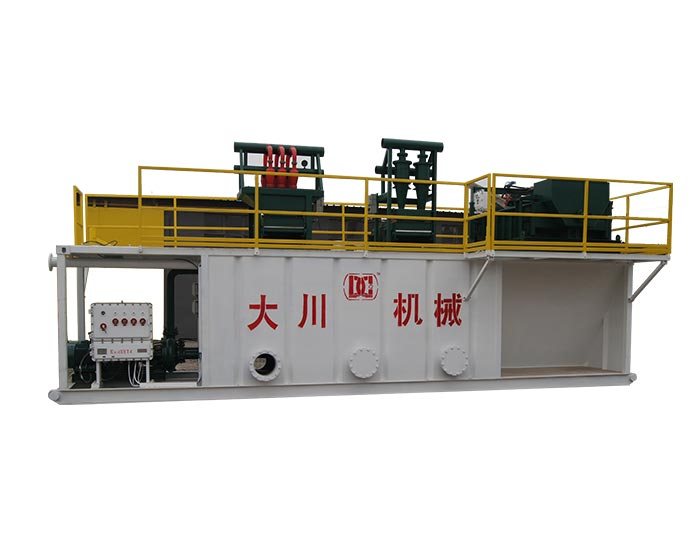
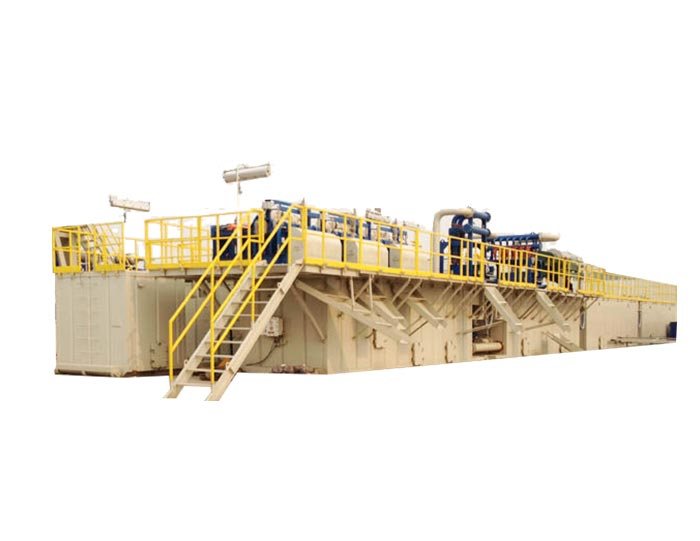
Beyond the immediate gains in drilling speed, the implementation of comprehensive solids control systems serves as a vital safeguard for the rig’s capital-intensive machinery. The mud pump is arguably the heart of the rig, and its longevity is directly tied to the cleanliness of the fluid it moves. High solids content causes premature wear on liners, pistons, and valves, leading to frequent and costly maintenance intervals. By investing in integrated solids control systems, contractors can extend the life of these components by several hundred percent.
Modern systems are now designed with modularity and automation in mind. Sensors placed throughout the cleaning circuit provide real-time data on the "cut point" of the equipment—the specific particle size at which the system is currently separating. If the system detects that the mud is becoming too heavy or that the shakers are being overwhelmed, it can automatically adjust the G-force of the motors or the header pressure of the hydrocyclones. This level of automation removes the element of human error and ensures that the rig is always operating at its peak hydraulic potential. Furthermore, by protecting the bottom-hole assembly from abrasive wear, these systems ensure that expensive directional drilling tools remain functional for the duration of the well, preventing the need for costly "trips" to replace damaged equipment.
Enhancing Wellbore Stability Through Superior Solids Removal
A frequently overlooked aspect of rig performance is the role that fluid chemistry plays in wellbore stability. When drilling solids control is neglected, the build-up of fine particles can lead to the formation of a thick, spongy "filter cake" on the walls of the wellbore. This thick cake increases the risk of differential sticking, where the drill string becomes physically embedded in the wall of the hole. Recovering from a stuck-pipe incident is one of the most expensive and time-consuming challenges a rig can face.
By utilizing high-precision solids control equipment, the rig produces a thin, tough, and impermeable filter cake. This protects the formation from fluid invasion and ensures that the wellbore remains stable and "in gauge." A stable hole allows for faster tripping speeds and smoother casing runs, which are critical milestones in the completion of a well. The ability of the rig to reach the target depth without geological complications is a direct testament to the quality of the solids control system. In this context, the equipment is not just cleaning the mud; it is actively managing the structural integrity of the well itself.
The Future of Rig Performance in the Era of Digital Solids Control
As we look toward the future, the definition of rig performance will continue to be shaped by innovations in solids control systems. We are entering an era of "intelligent" separation, where machine learning algorithms predict the behavior of solids based on real-time geological feedback. Future rigs will likely feature fully autonomous cleaning circuits that can transition between different drilling modes—such as fast-hole drilling or reservoir navigation—without manual intervention.
The integration of these technologies ensures that the drilling rig remains a high-precision instrument capable of tackling the most complex reservoirs on the planet. From reducing mechanical wear and fuel consumption to protecting the environment and ensuring wellbore stability, the impact of superior solids control is undeniable. It is the silent engine of efficiency that allows modern energy projects to push the boundaries of what is possible, ensuring that every foot drilled is done so with maximum safety, minimum waste, and peak economic performance. In the competitive landscape of the 21st century, the rig with the cleanest mud is almost always the rig that finishes first.

 Linear Motion Shale Shaker In Drilling Rig
  Oilfield Mud Cleaner
 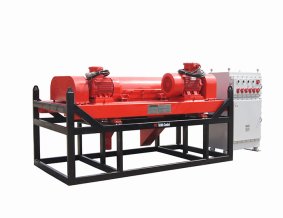 Drilling Fluid Decanter Centrifuge
 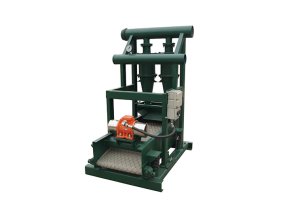 Drilling Mud Desander
 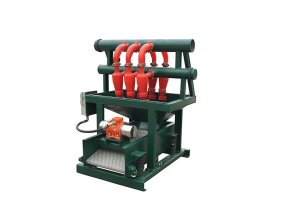 Hydrocyclone Desilter
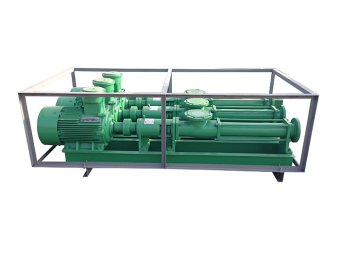
 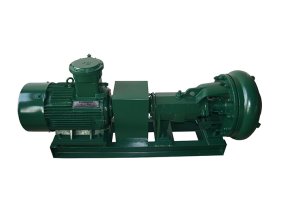 Centrifugal Pump/Centrifugal Mud Pump
 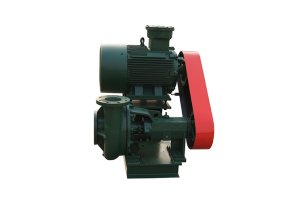 Shear Pump
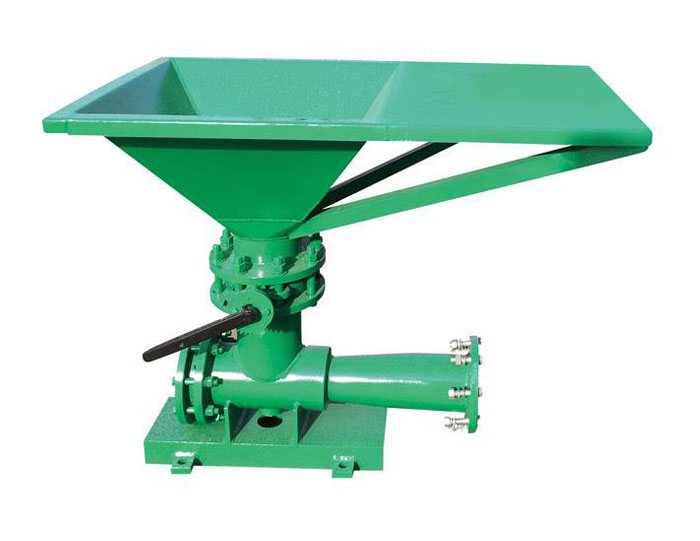
 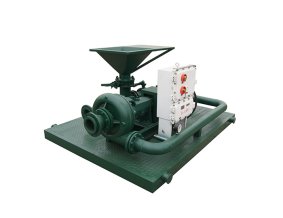 Jet Mud Mixer
 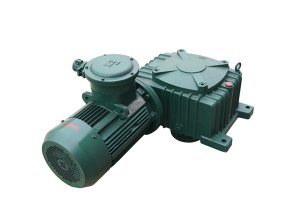 Horizontal Mud Agitator
 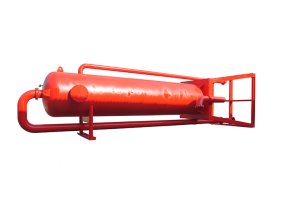 Constant Pressure Drilling Fluid Mud Gas Separator
 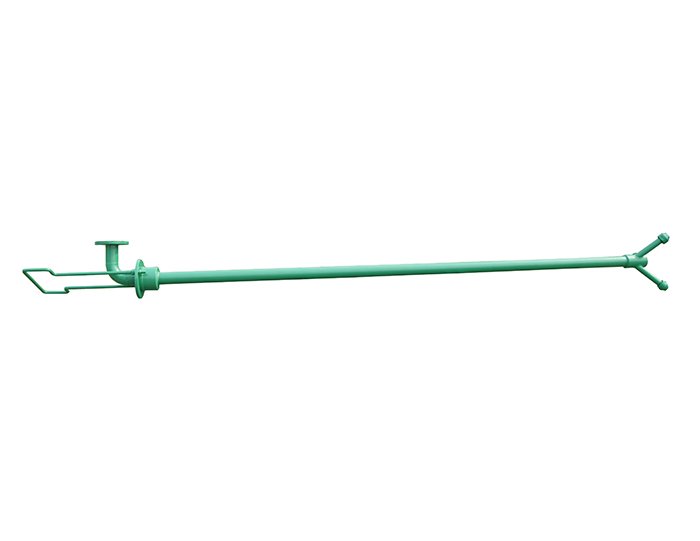 Mud Gun
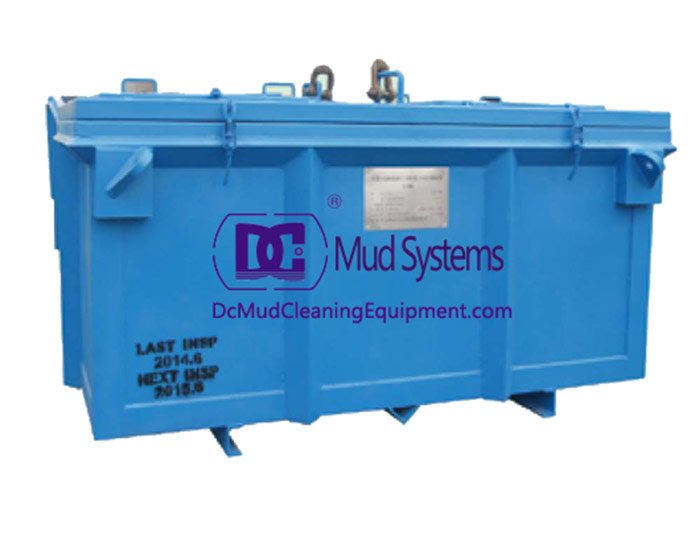
  Mud Tank
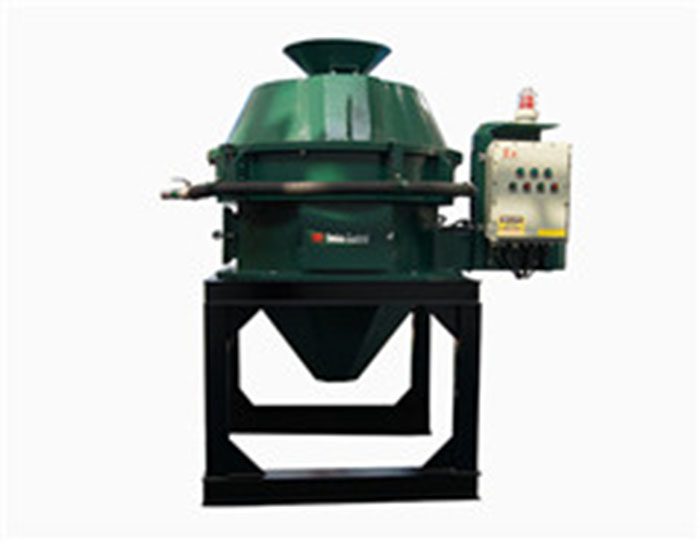
 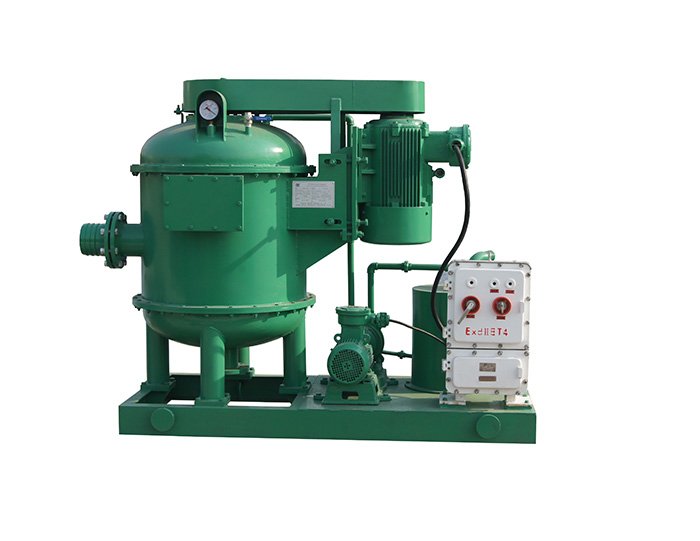 Solids Control System Vacuum Degasser
 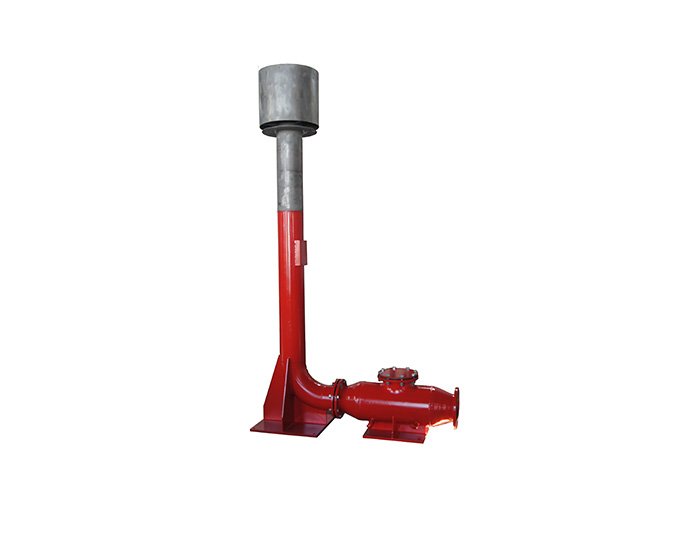 Flare Ignition Device
 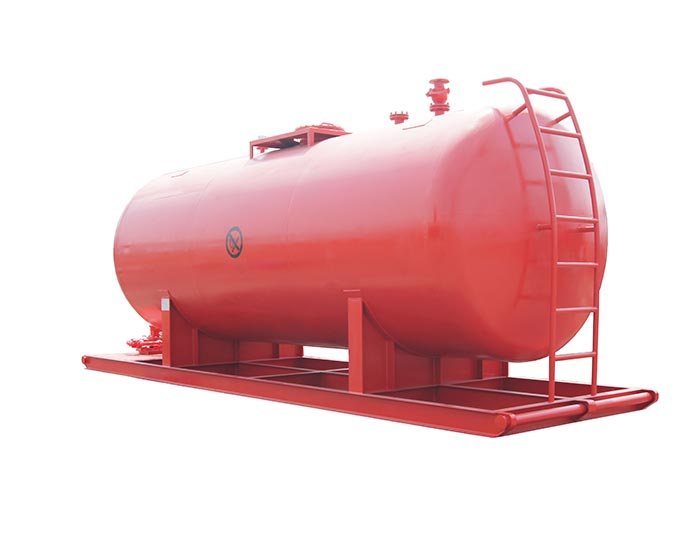 Diesel Tank
 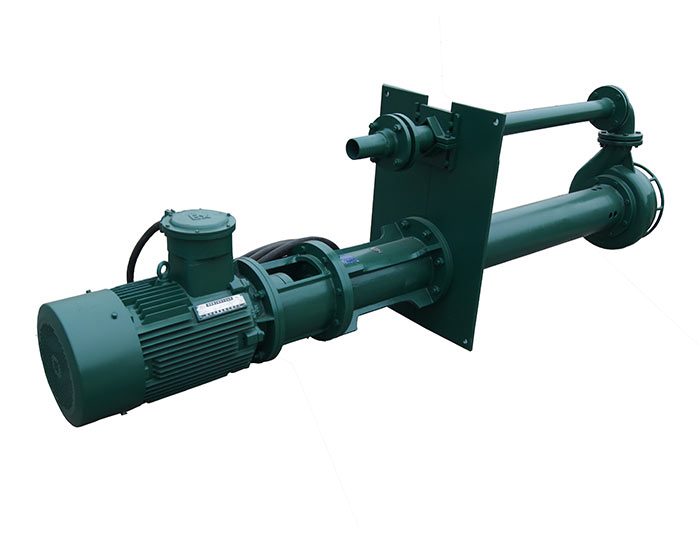 Submersible Slurry Pump