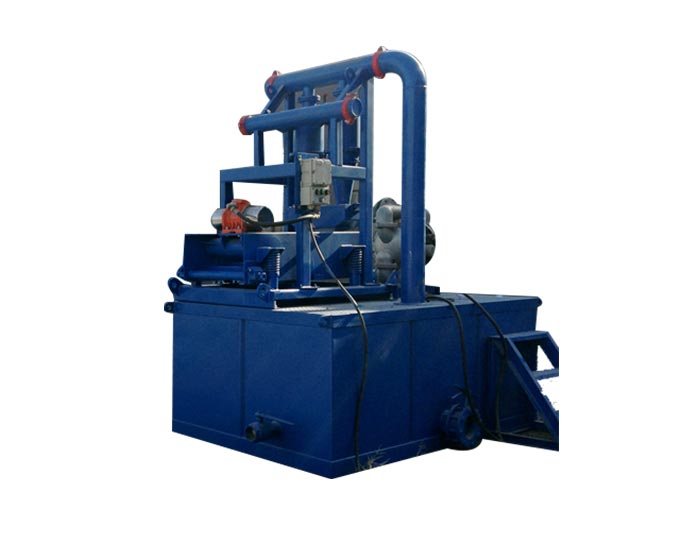
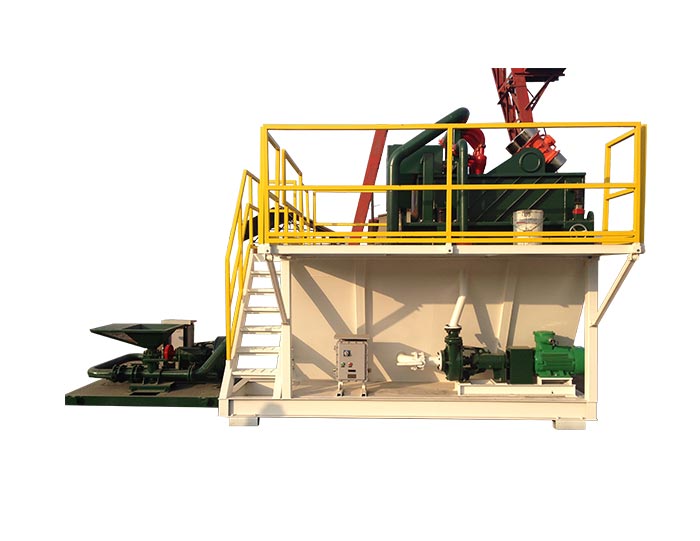
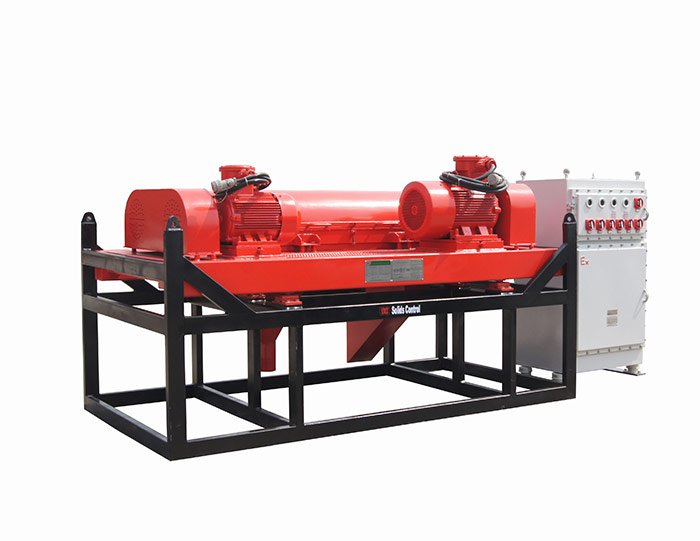
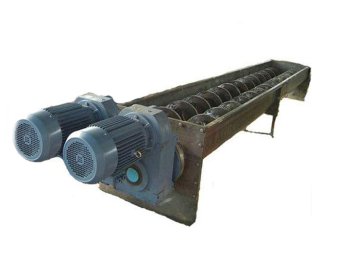
In the high-stakes world of hydrocarbon exploration, the efficiency of a drilling operation is often judged by how well the system manages its waste. The "lifeblood" of any drilling rig is the circulating fluid, or drilling mud, which carries cuttings from the bottom of the hole to the surface. However, for this fluid to be reused, it must be purged of rock fragments and debris. This is where the primary stage of separation occurs, centered entirely on the robust mechanics of the shaker deck. To truly appreciate the efficiency of a rig, one must delve into the technical depths of the shale shaker working principle and how it safeguards the entire drilling ecosystem.
A Technical Overview: The Shale Shaker Oil and Gas Definition and Purpose
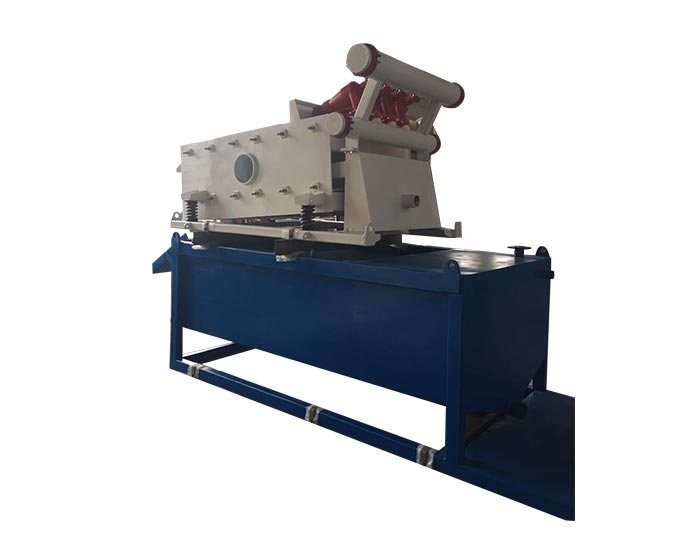
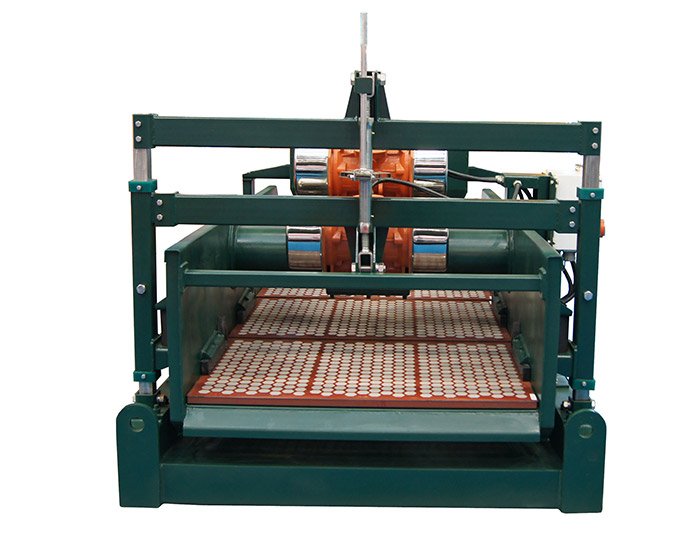
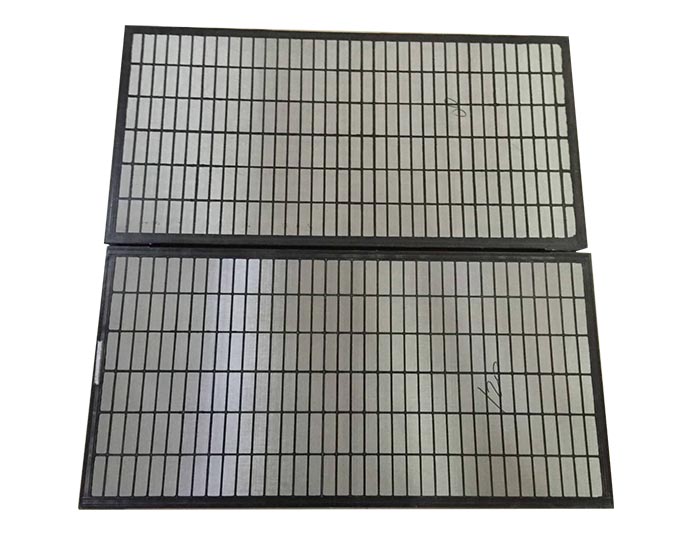
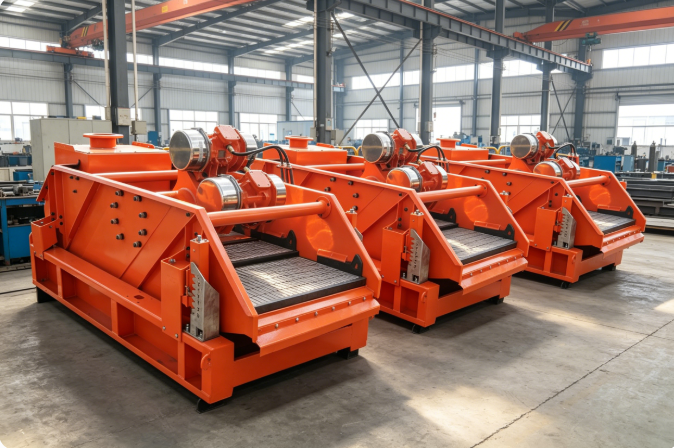
To understand the equipment, we must first establish a clear shale shaker oil and gas definition. At its core, a shale shaker is a specialized vibrating sieve designed to perform the first stage of solids control. It is a machine that utilizes a combination of high-frequency vibration and precisely engineered mesh screens to separate large geological cuttings from the drilling fluid. Unlike downstream equipment that relies on centrifugal force or chemical precipitation, the shaker operates through mechanical filtration.
In the broader context of the shale shaker in oil and gas, its primary purpose is to act as a gatekeeper. By removing the largest and most abrasive solids—typically anything larger than 74 microns depending on the screen size—the shaker prevents the downstream pumps, hydrocyclones, and sensitive downhole tools from being ground down by friction. Without this initial "scalping" process, the drilling mud would quickly become a thick, unmanageable slurry that would stall the rate of penetration and potentially lead to catastrophic equipment failure.
The Dynamics of Fluid Motion: Exploring the Mud Shale Shaker Process
The journey of the drilling fluid begins as it exits the wellbore through the flow line, eventually cascading onto the "back tank" or "possum belly" of the mud shale shaker. The first phase of the shale shaker working principle involves the distribution of this fluid across the vibrating screen surface. The goal is to create a uniform "pool" that covers approximately two-thirds of the screen deck. This allows the liquid and fine particles to pass through the mesh into the mud pits, while the larger rock chips remain on top.
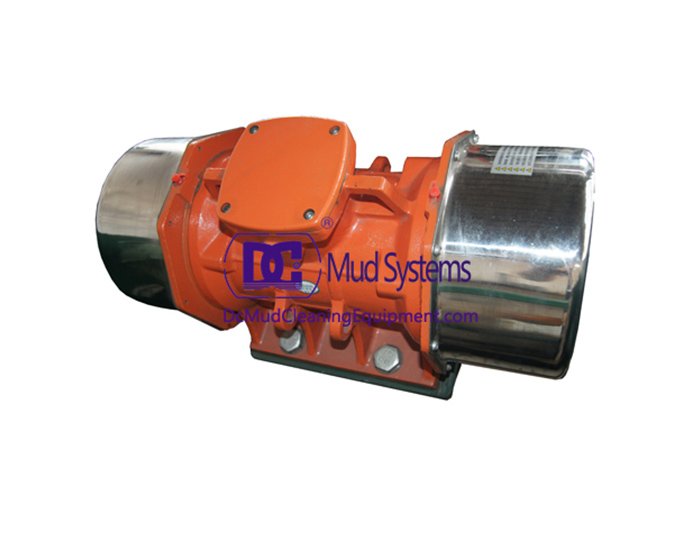
The vibration of the shaker is not random; it is a calculated mechanical movement generated by eccentric weights on rotating motors. This vibration provides the G-force necessary to overcome the surface tension of the viscous drilling mud. As the motors spin, the screen deck moves in a linear, elliptical, or balanced elliptical motion. This movement serves a dual purpose: it forces the liquid through the tiny openings of the mesh and simultaneously "conveys" the dry solids toward the discharge end of the machine. The angle of the deck can often be adjusted during operation to ensure that the fluid does not "over-run" the screens, ensuring that every drop of expensive synthetic or water-based mud is reclaimed.
Synergy in the System: The Role of Solid Controls in Fluid Management
The shaker does not operate in a vacuum; it is the foundational component of a comprehensive solid controls strategy. In the oil and gas industry, "solids control" refers to the entire process of maintaining the physical and chemical properties of the drilling fluid. If the shaker fails to perform its duty, the entire sequence of solid controls is compromised. Heavier solids that bypass the shaker screens will enter the mud tanks, where they increase the density and viscosity of the mud.
This unwanted increase in mud weight leads to higher circulating pressures, which can cause "lost circulation" where the mud is forced into the formation rather than returning to the surface. Furthermore, fine silts that the shaker missed will eventually reach the centrifugal pumps, causing rapid wear on impellers and liners. By maintaining the shaker at peak performance—ensuring screens are intact and the vibration is tuned correctly—the operator effectively extends the life of every other piece of equipment on the rig. It is the most cost-effective way to manage waste because it removes solids before they have a chance to break down into even smaller, harder-to-remove "ultra-fines."
The Evolution of Motion: Linear and Elliptical Vibration Patterns
One of the most critical aspects of the shale shaker working principle is the type of motion the deck employs. Historically, shakers used simple circular motion, but modern requirements for higher flow rates have led to the dominance of linear motion. In a linear motion shaker, two motors rotate in opposite directions, neutralizing horizontal forces and focusing all energy into a straight-line vertical and forward thrust. This allows for superior fluid conveyance and the ability to process much heavier, denser fluids without blinding the screens.
There is also the "balanced elliptical" motion, which provides a gentler handling of the fluid. This is particularly useful when drilling through fragile or "friable" formations where the cuttings might break apart if vibrated too aggressively. By adjusting the vibration pattern, the shale shaker in oil and gas operations can be tuned to the specific geology of the well. This flexibility ensures that the "cut point" remains sharp and that the moisture content of the discarded cuttings is kept to a minimum, which is vital for environmental compliance in "zero-discharge" zones.
Shale Shaker: Maintenance and Material Longevity in High-Volume Operations
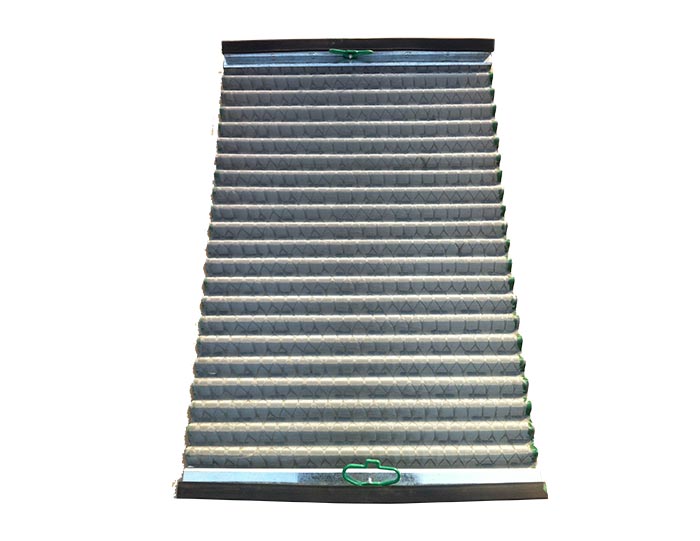
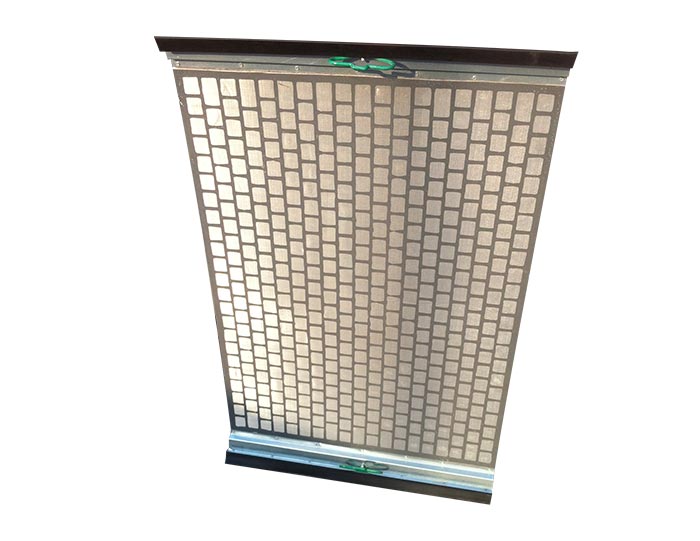
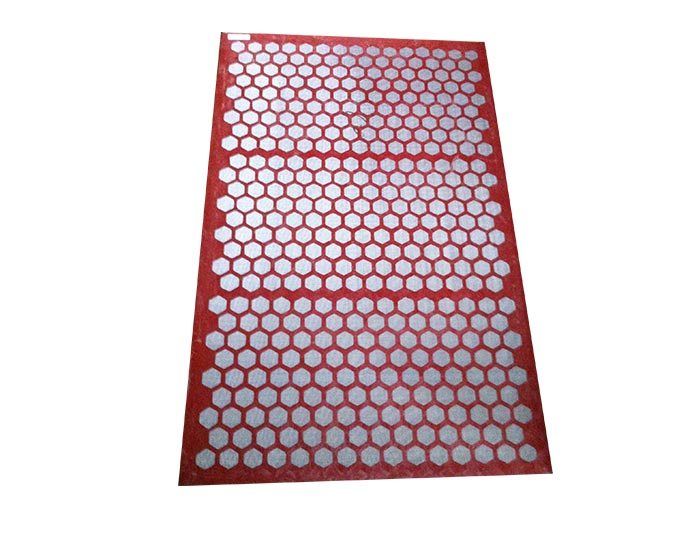
The environment surrounding a mud shale shaker is one of the most hostile on a drilling site. The equipment is subjected to constant G-forces, abrasive sand, and corrosive chemical additives. Therefore, the longevity of the machine depends on the quality of its construction and the rigor of its maintenance. The screen tensioning system is perhaps the most vital maintenance point; if a screen becomes loose, it will vibrate independently of the deck, leading to rapid wire fatigue and "bypass," where dirty mud leaks into the clean tanks.
Modern shakers are increasingly designed with composite materials and stainless steel components to resist the rust and degradation caused by salt-water-based muds. Additionally, the development of "wedge-lock" screen systems has revolutionized the speed at which operators can respond to changing drilling conditions. Being able to change a screen in minutes rather than hours means the rig can maintain a high rate of penetration without risking the integrity of the mud system. This technical reliability is what makes the shale shaker working principle the cornerstone of modern drilling efficiency.

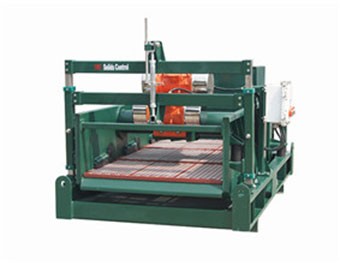 Linear Motion Shale Shaker In Drilling Rig
 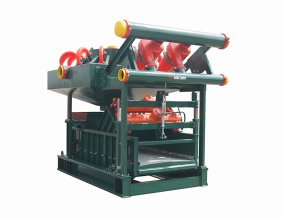 Oilfield Mud Cleaner
 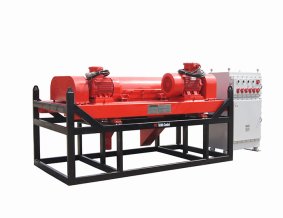 Drilling Fluid Decanter Centrifuge
 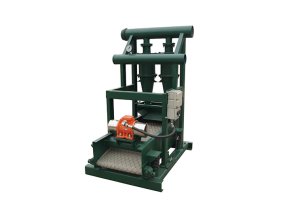 Drilling Mud Desander
 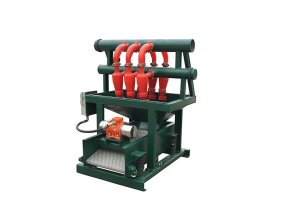 Hydrocyclone Desilter
 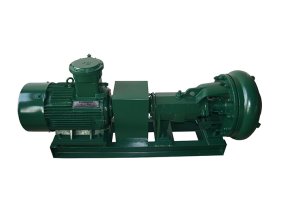 Centrifugal Pump/Centrifugal Mud Pump
 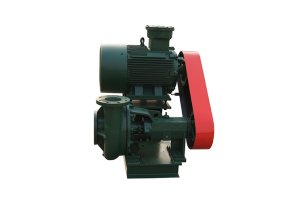 Shear Pump
 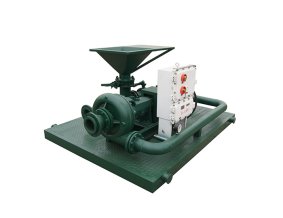 Jet Mud Mixer
 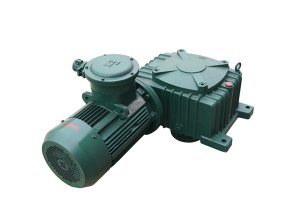 Horizontal Mud Agitator
 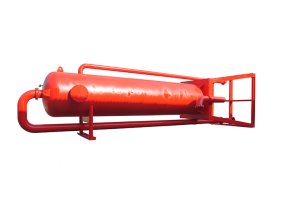 Constant Pressure Drilling Fluid Mud Gas Separator
  Mud Gun
  Mud Tank
  Solids Control System Vacuum Degasser
  Flare Ignition Device
 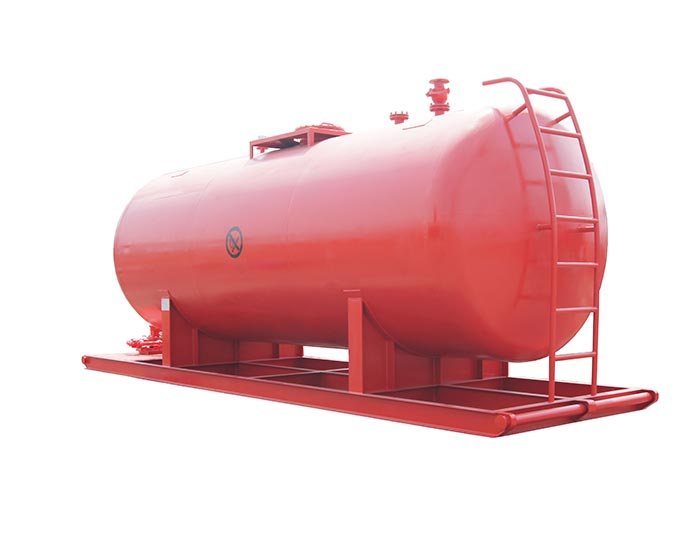 Diesel Tank
 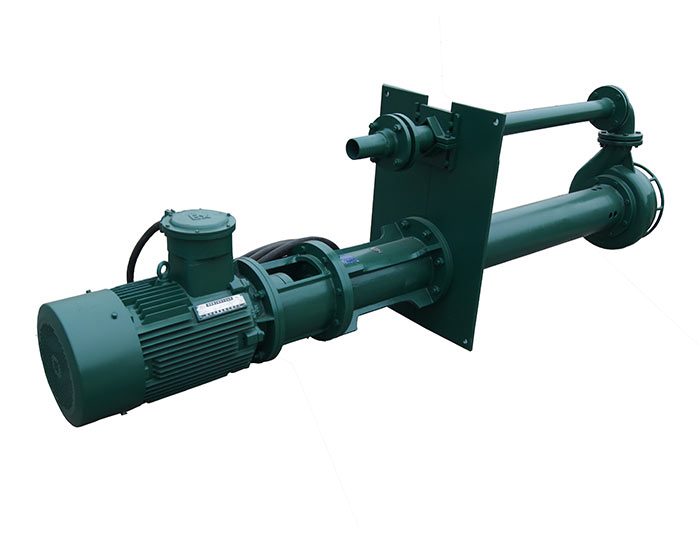 Submersible Slurry Pump