In modern drilling operations, maintaining drilling fluid quality is one of the most critical factors affecting drilling efficiency, equipment lifespan, and overall project costs. As drilling environments become more complex and operational standards continue to rise, selecting the right mud cleaner machine has become increasingly important for oilfield contractors and drilling service companies.
A reliable solids control solution can significantly improve drilling fluid recycling, reduce waste generation, and protect downstream equipment from excessive wear. In both onshore and offshore drilling environments, an advanced oilfield mud cleaner helps maintain stable drilling fluid properties while supporting safer and more cost-effective drilling operations.
Choosing suitable solids control equipment is not simply about processing capacity. It also involves evaluating separation efficiency, durability, operational flexibility, maintenance convenience, and long-term performance under harsh drilling conditions. Understanding how different system components work together allows drilling operators to make more informed decisions when selecting modern mud cleaning equipment.
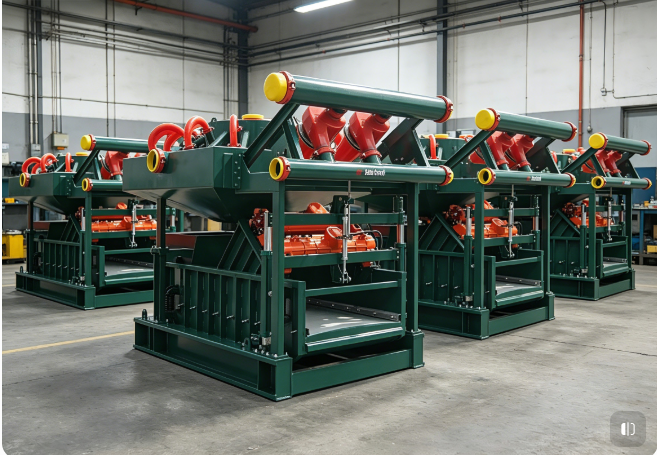
Why the Right Mud Cleaner Machine Matters in Drilling Operations
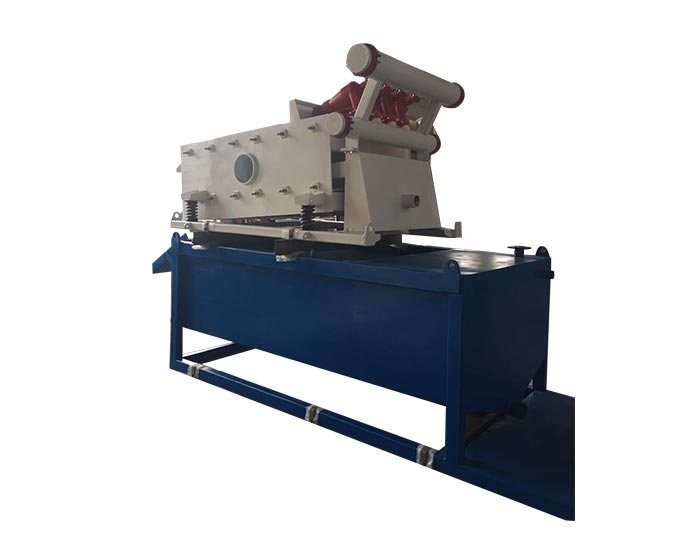
A high-performance mud cleaner machine plays a central role in controlling drilled solids during the circulation of drilling fluids. As drilling progresses, rock cuttings and abrasive particles continuously enter the mud system. If these solids are not removed effectively, they can negatively affect mud density, viscosity, lubrication properties, and overall drilling performance.
Poor solids control often results in reduced penetration rates, increased drill string wear, excessive pump pressure, and higher fluid treatment costs. In severe cases, inadequate solids removal may even contribute to wellbore instability and equipment failure.
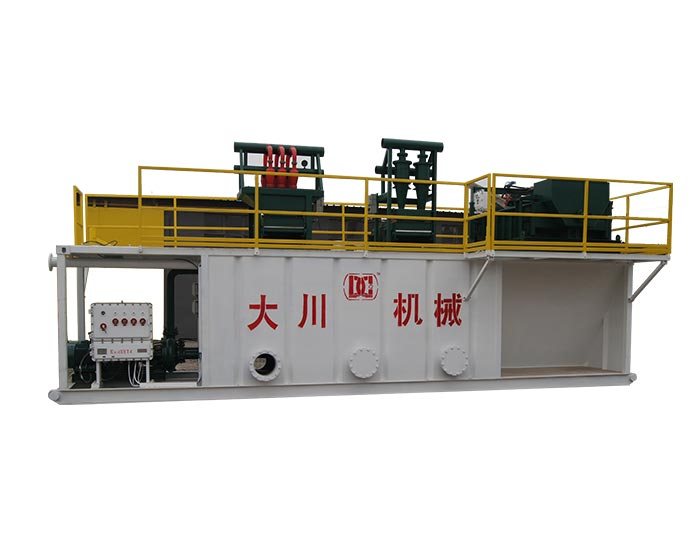
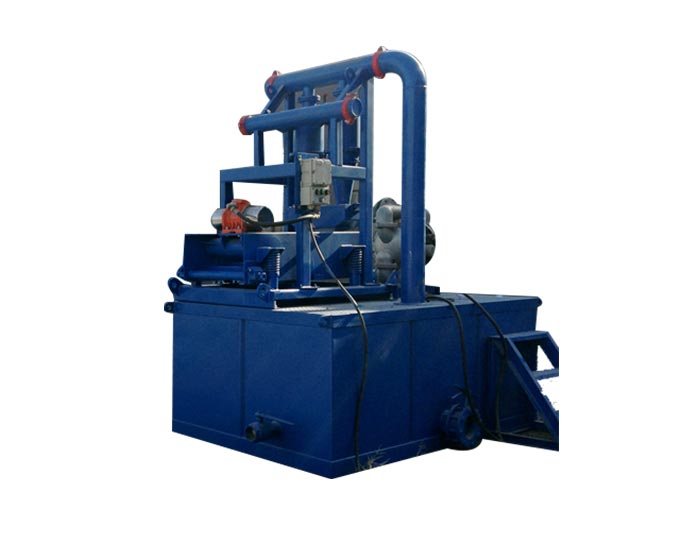
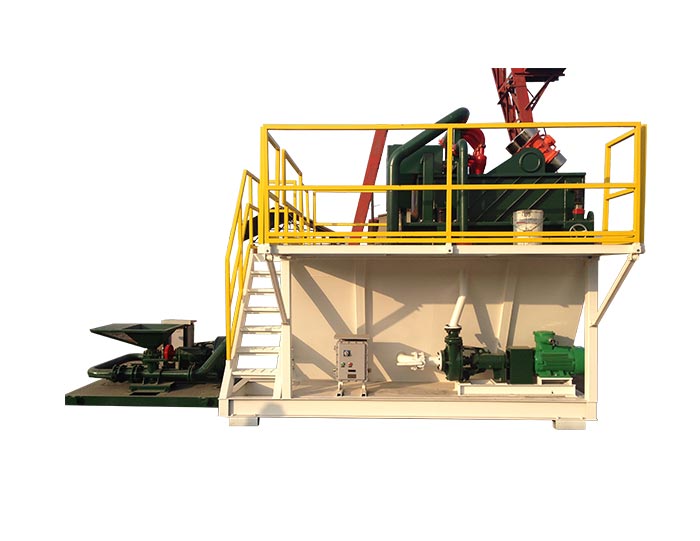
Modern mud cleaner technology combines multiple separation stages into a single integrated system. This allows drilling contractors to remove solids of different particle sizes more efficiently while maximizing fluid recovery. By maintaining cleaner drilling fluids, operators can reduce chemical consumption and extend the service life of expensive drilling components.
In demanding drilling environments where fluid circulation is continuous and abrasive formations are common, the reliability of the mud cleaner directly affects operational productivity. A properly selected machine can help reduce non-productive time while improving overall drilling efficiency.
Understanding Oilfield Mud Cleaner Performance Requirements
Selecting an effective oilfield mud cleaner requires careful evaluation of the drilling environment and operational objectives. Different drilling projects involve varying formation types, drilling depths, fluid systems, and solids loading conditions. Equipment that performs well in one drilling environment may not be suitable for another.
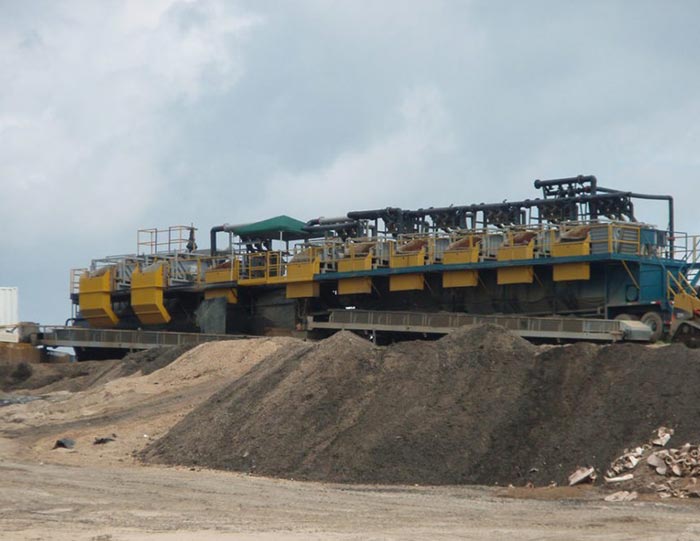
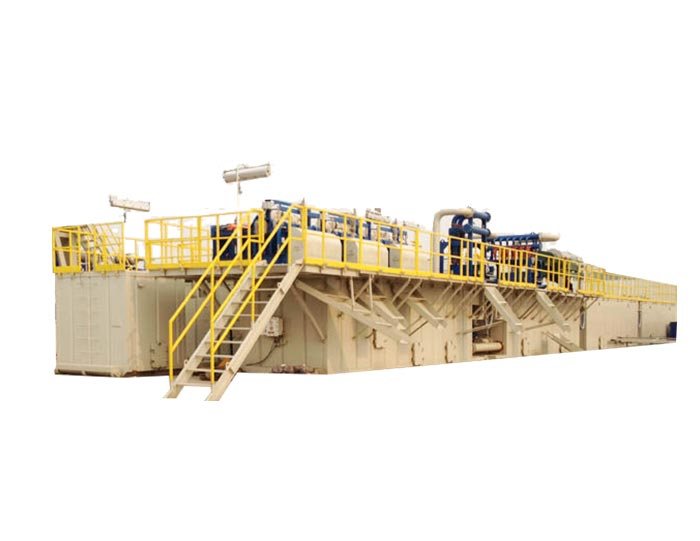
For example, deep well drilling operations often generate larger volumes of fine solids that require higher separation efficiency. In these situations, mud cleaners with advanced hydrocyclone configurations and high-capacity shaker systems are typically preferred. Offshore drilling projects may also require corrosion-resistant structures and compact equipment layouts due to space limitations and harsh marine conditions.
Processing capacity is another critical consideration. The selected system must be capable of handling the expected drilling fluid circulation rate without becoming overloaded. Oversized equipment may increase energy consumption unnecessarily, while undersized systems may suffer from unstable operation and accelerated wear.
Durability is equally important for long-term oilfield performance. Continuous exposure to abrasive drilling solids and chemically aggressive drilling fluids places significant stress on equipment components. High-quality structural materials and wear-resistant coatings help improve equipment reliability under harsh operational conditions.
Modern oilfield mud cleaner systems are increasingly designed with modular structures that simplify maintenance and component replacement. This reduces downtime during maintenance operations and allows drilling teams to replace worn components more efficiently.
How Mud Cleaner Desilter Technology Improves Separation Efficiency
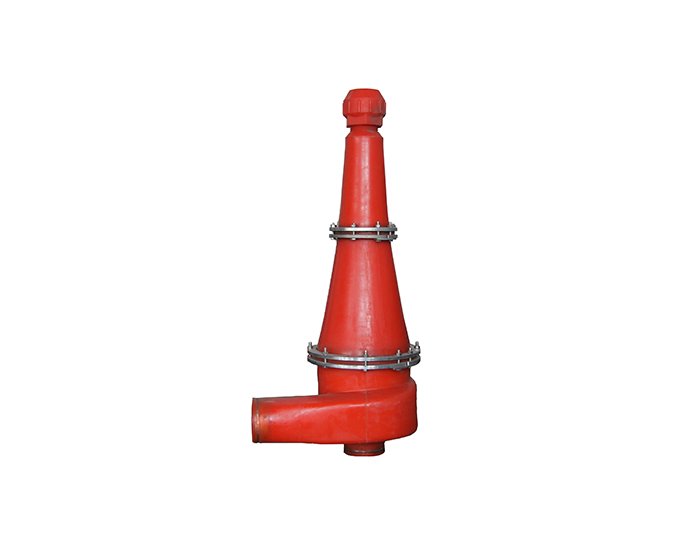
The mud cleaner desilter is one of the most important components within the solids control process. Desilters use hydrocyclone technology to remove fine drilled solids from drilling fluids through centrifugal separation.
As drilling fluids enter the hydrocyclone under pressure, centrifugal force separates heavier particles from the fluid stream. Fine solids move toward the cyclone wall and discharge through the underflow opening, while cleaner fluid exits through the overflow outlet.
Efficient desilter performance is essential for maintaining stable drilling fluid properties. Fine solids that remain in the mud system can significantly increase fluid viscosity and reduce drilling efficiency. By removing these particles effectively, desilters help improve fluid stability and reduce wear on downstream equipment.
Modern mud cleaner desilter systems are designed with optimized cyclone geometry to improve separation accuracy and fluid handling capacity. Advanced hydrocyclone materials such as polyurethane and ceramic liners provide greater resistance to erosion caused by abrasive drilling particles.
Pressure stability also plays a key role in desilter efficiency. Inconsistent feed pressure can reduce separation performance and increase the risk of cyclone blockage. Many advanced systems now include automated pressure monitoring systems to maintain optimal operating conditions throughout the drilling process.
The integration of high-efficiency desilters with advanced shaker systems further improves solids control performance. This combination allows operators to remove separated solids quickly while recovering valuable drilling fluids for reuse.
The Importance of Mud Cleaner Cones in Solids Control Systems
High-quality mud cleaner cones are essential for achieving stable and efficient solids separation in modern drilling operations. These hydrocyclone cones are responsible for generating the centrifugal forces necessary to separate fine solids from drilling fluids.
The design and material quality of the cones directly affect separation efficiency, processing capacity, and operational durability. Poorly manufactured cones may experience rapid wear, unstable pressure distribution, and inconsistent separation performance under heavy drilling conditions.
Advanced cone designs focus on improving internal fluid flow dynamics to maximize separation efficiency while minimizing turbulence. Smooth internal surfaces help reduce pressure losses and improve solids discharge consistency.
Material selection is particularly important because hydrocyclone cones operate under continuous abrasive conditions. Polyurethane has become one of the most commonly used materials for modern mud cleaner cones due to its excellent wear resistance and flexibility. In highly abrasive drilling environments, ceramic-lined cones may also be used to extend operational lifespan.
Proper cone configuration is another important factor affecting system performance. Different drilling conditions may require varying numbers and sizes of hydrocyclones depending on fluid volume and solids concentration. Flexible system configurations allow operators to optimize separation performance according to changing drilling requirements.
Routine inspection and maintenance of hydrocyclone cones are necessary to ensure consistent operation. Excessive wear, internal damage, or blockage can reduce separation accuracy and increase operational costs if not addressed promptly.
Evaluating Mud Cleaner Products for Long-Term Reliability
When selecting modern mud cleaner products, drilling operators must consider more than just initial equipment specifications. Long-term reliability, maintenance requirements, energy efficiency, and manufacturer support all contribute to the overall value of the investment.
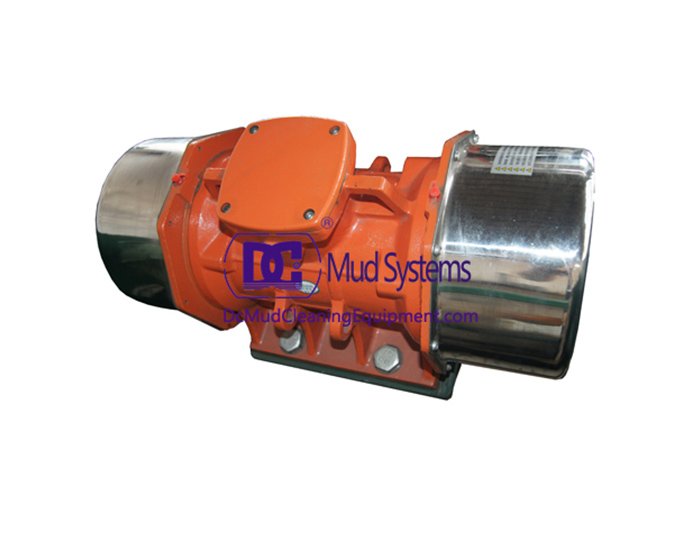
Reliable mud cleaner equipment should be capable of maintaining stable separation performance during continuous drilling operations. Structural stability is especially important because vibration systems operate under constant mechanical stress. Reinforced frames and balanced vibration mechanisms help reduce fatigue damage and extend equipment lifespan.
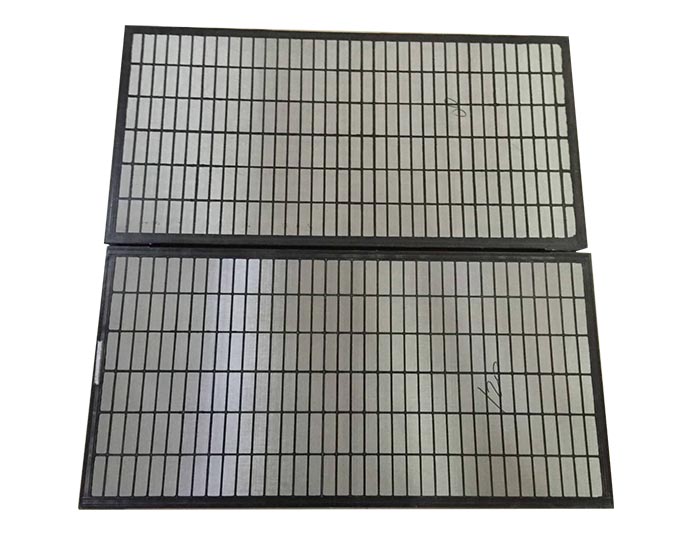
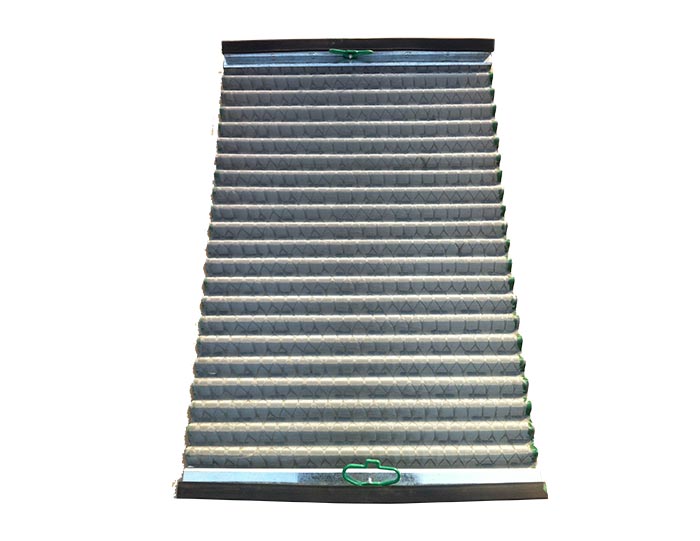
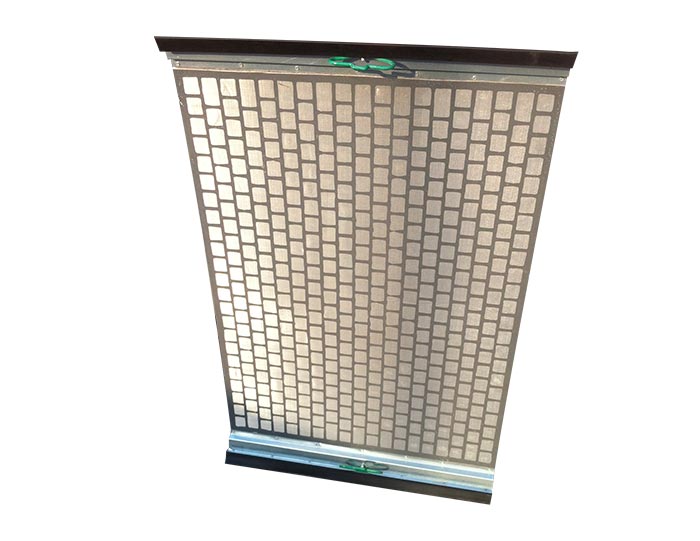
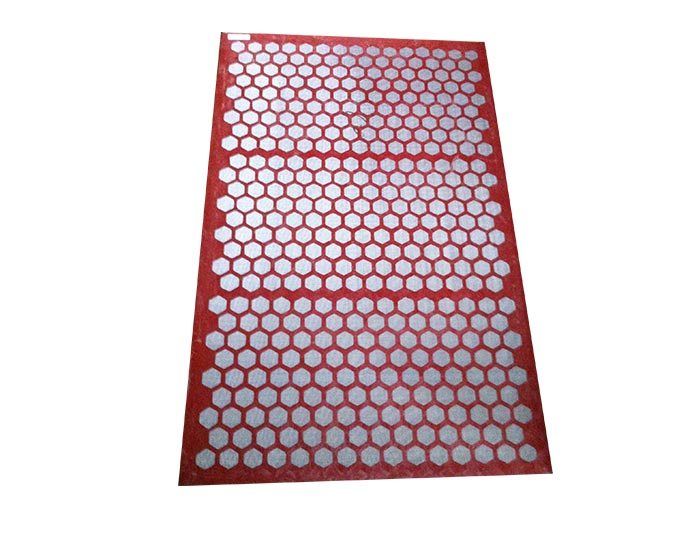
Screen technology also plays a major role in overall equipment efficiency. High-performance shaker screens improve fluid recovery while maintaining effective solids conveyance across the screen surface. Advanced composite screen materials offer greater durability and longer operational life under demanding drilling conditions.
Energy efficiency is becoming increasingly important in modern drilling projects. Many newer mud cleaner products use optimized vibration systems and energy-saving motors to reduce power consumption while maintaining high processing capacity.
Automation and digital monitoring are also becoming more common in advanced solids control systems. Intelligent monitoring technologies allow operators to track fluid flow rates, pressure levels, vibration performance, and solids concentration in real time. These systems improve operational accuracy and help identify maintenance needs before serious equipment failures occur.
Manufacturer support is another critical consideration. Equipment suppliers with strong technical support capabilities can provide installation guidance, maintenance training, spare parts availability, and troubleshooting assistance. This support helps operators maximize equipment performance and minimize operational downtime.

 Linear Motion Shale Shaker In Drilling Rig
  Oilfield Mud Cleaner
 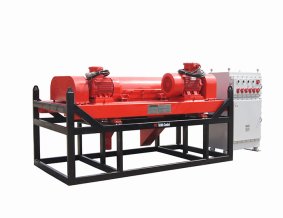 Drilling Fluid Decanter Centrifuge
 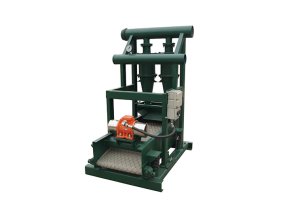 Drilling Mud Desander
 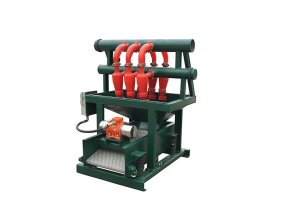 Hydrocyclone Desilter
 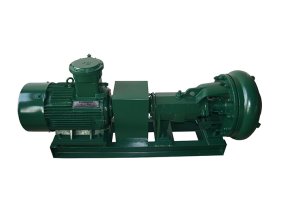 Centrifugal Pump/Centrifugal Mud Pump
 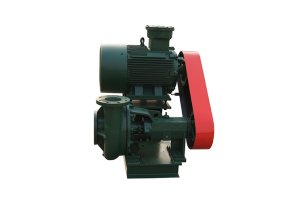 Shear Pump
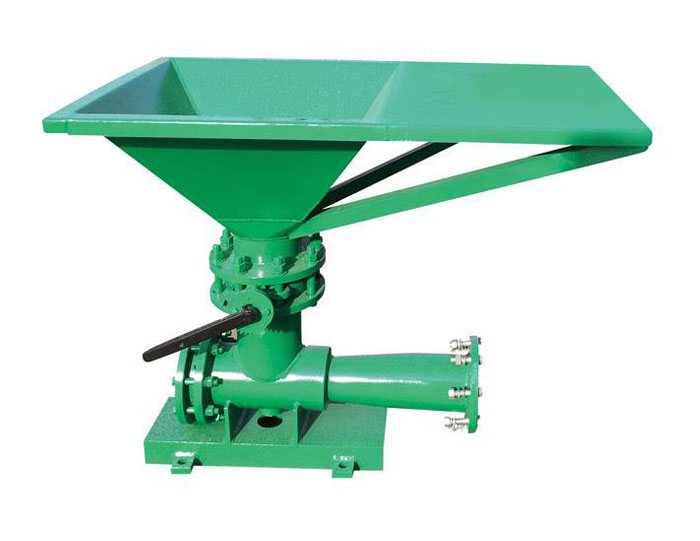
 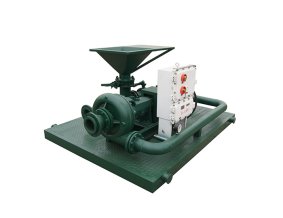 Jet Mud Mixer
 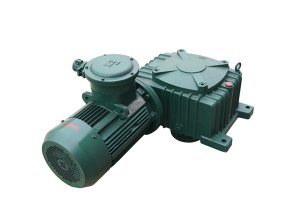 Horizontal Mud Agitator
 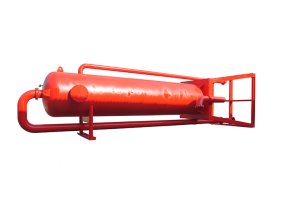 Constant Pressure Drilling Fluid Mud Gas Separator
 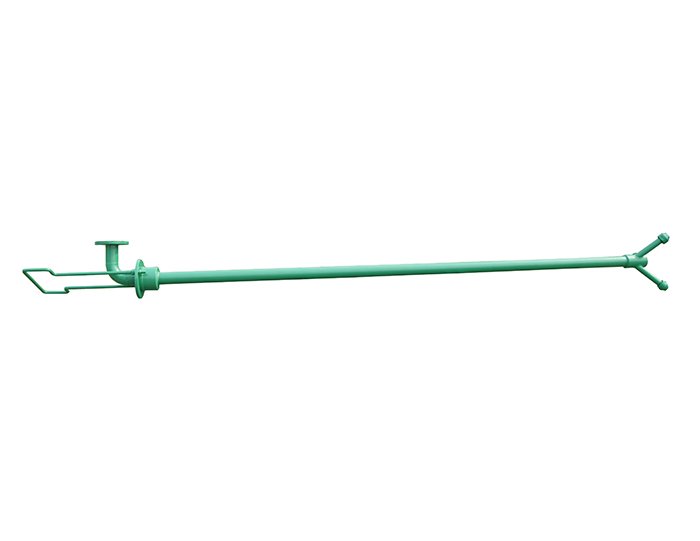 Mud Gun
  Mud Tank
 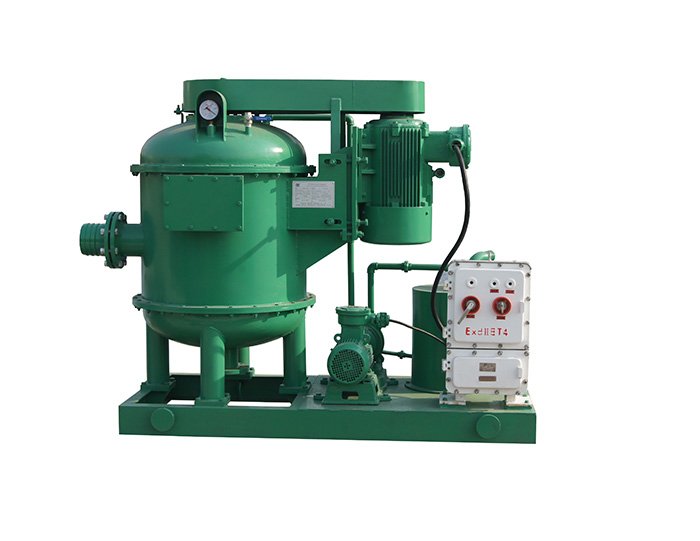 Solids Control System Vacuum Degasser
 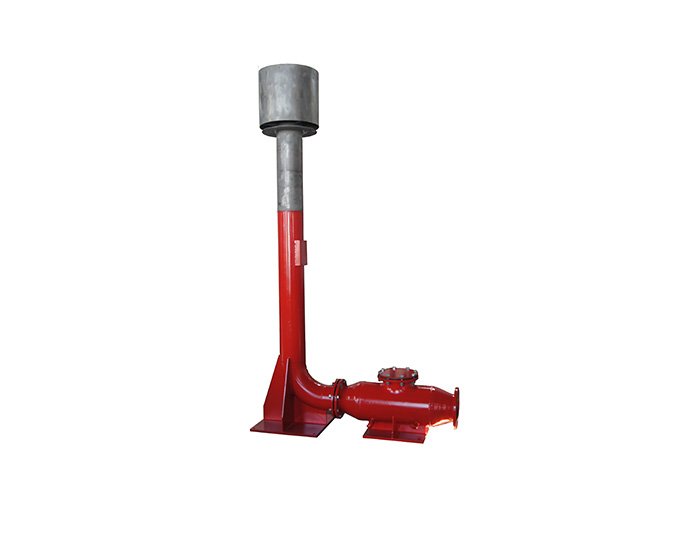 Flare Ignition Device
 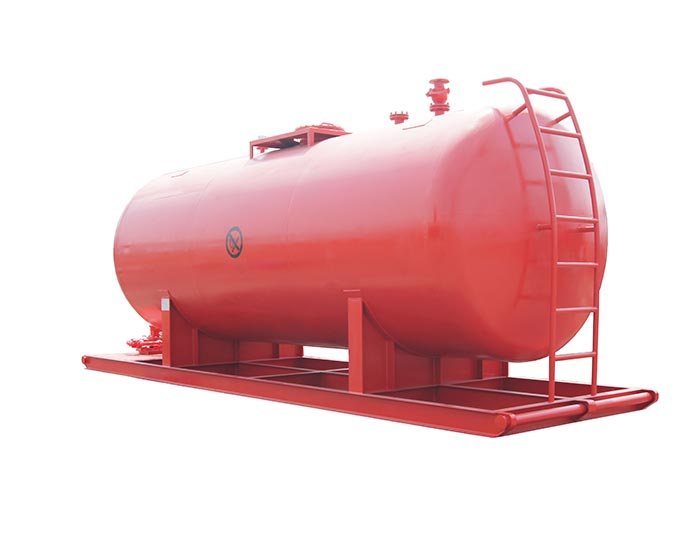 Diesel Tank
 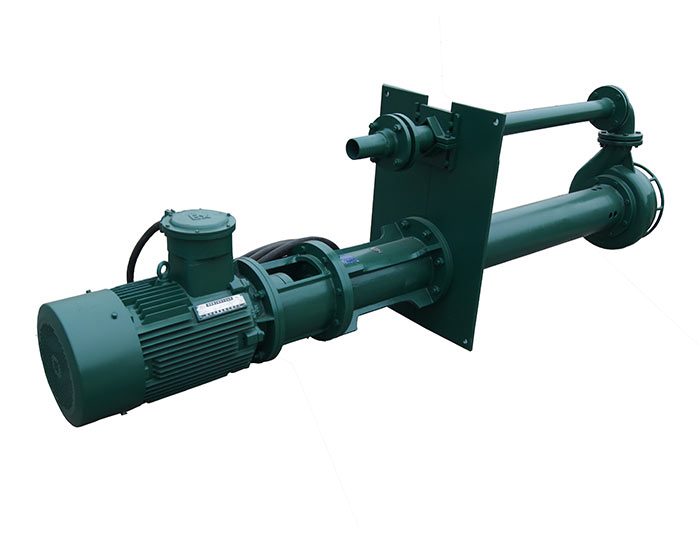 Submersible Slurry Pump