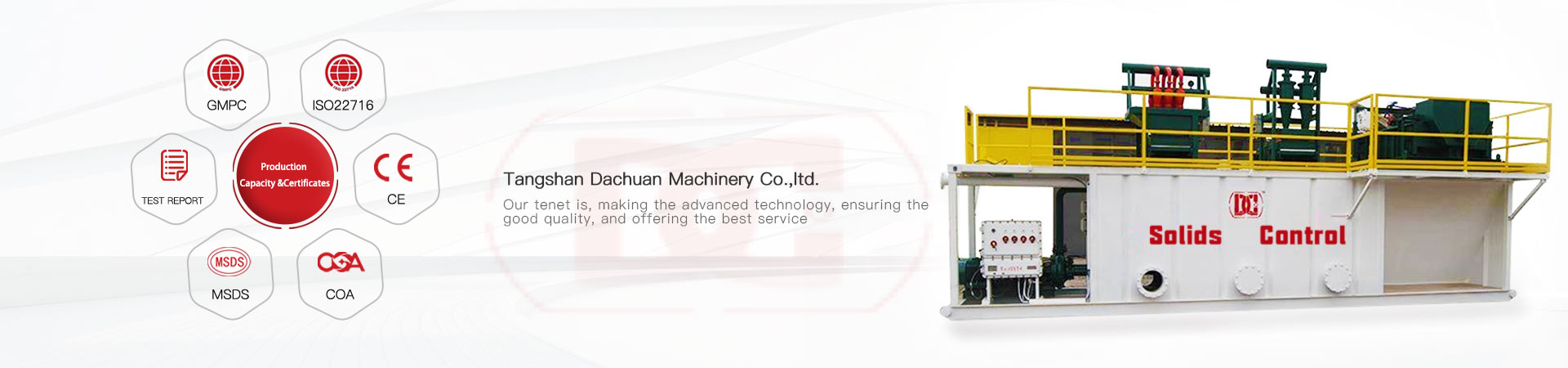
In modern oilfield operations, maintaining efficient drilling fluid performance is essential for improving drilling speed, reducing operational risks, and controlling project costs. A mud cleaner in drilling rig systems plays a critical role in separating unwanted solids from drilling fluids, ensuring that the mud remains reusable and effective throughout the drilling process. However, many drilling companies face challenges related to equipment wear, reduced separation efficiency, and frequent maintenance interruptions caused by improper operation or poor maintenance practices.
Extending the operational lifespan of a mud cleaner machine is not only important for lowering equipment replacement costs but also for maintaining stable drilling performance in demanding field conditions. By understanding how to optimize maintenance procedures, select durable components, and improve system operation, operators can significantly increase the longevity of their drilling fluid treatment equipment.

The Importance of Mud Cleaner in Drilling Rig Operations
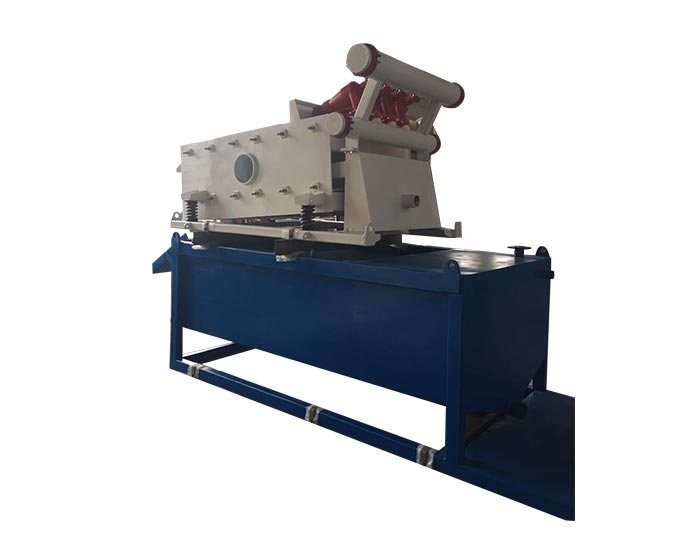
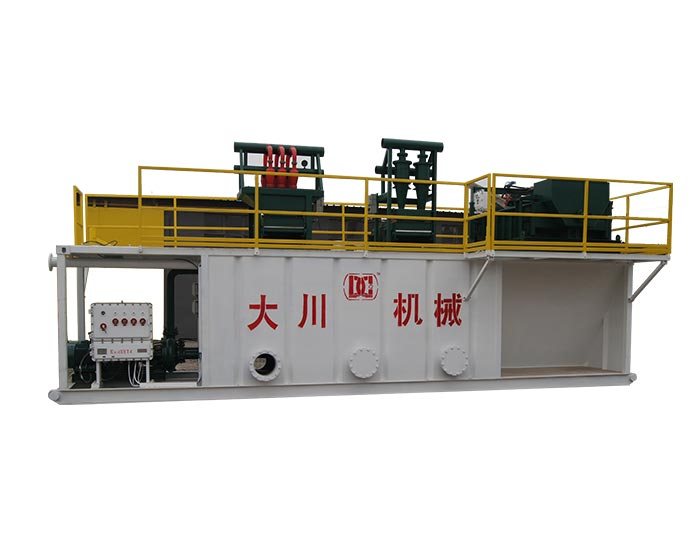
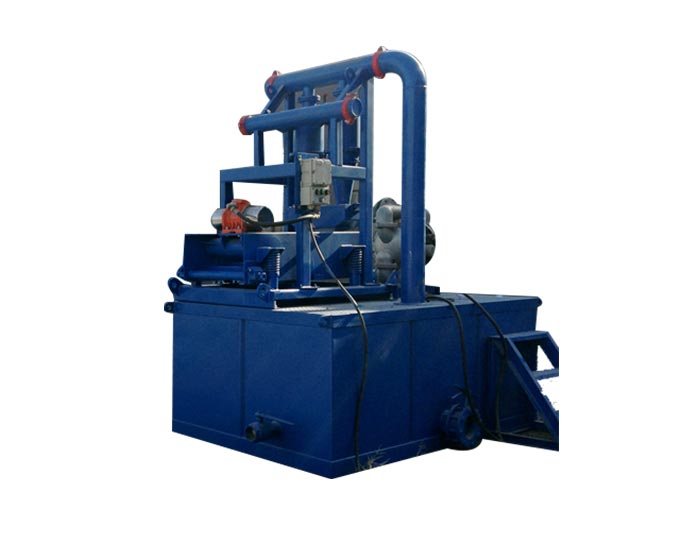
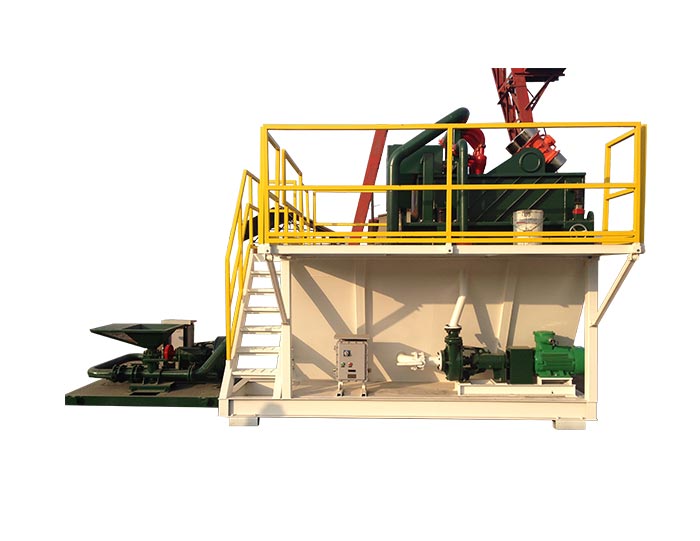
A high-performance mud cleaner in drilling rig systems is designed to remove drilled solids from drilling fluids by combining shale shaker screens, desanders, and desilters into one integrated solution. During drilling operations, excessive solids accumulation can negatively impact mud density, viscosity, and lubrication properties. This may lead to poor drilling efficiency, excessive wear on drilling tools, and higher operational costs.
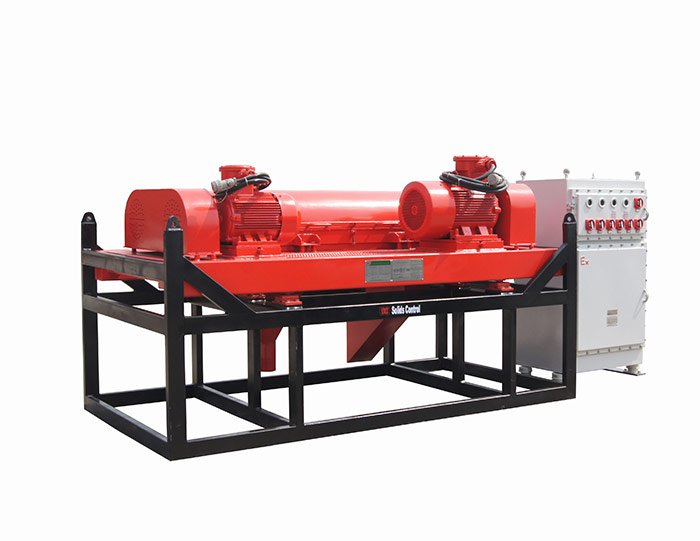
Efficient solids control equipment helps maintain proper mud balance while protecting downstream equipment such as centrifuges, pumps, and pipelines. Because drilling conditions often involve abrasive materials and continuous operation under harsh environments, the durability of the mud cleaner becomes a key factor affecting drilling productivity.
When a drilling contractor invests in a reliable mud cleaner systems setup, they can reduce mud waste, lower disposal expenses, and minimize non-productive downtime. Properly maintained systems also contribute to environmental compliance by reducing the volume of contaminated drilling waste generated on-site.
How High-Quality Mud Cleaner Parts Improve Equipment Durability
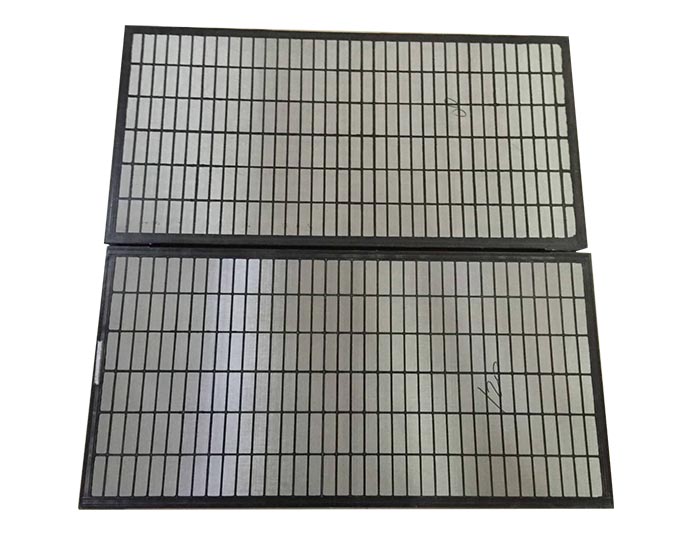
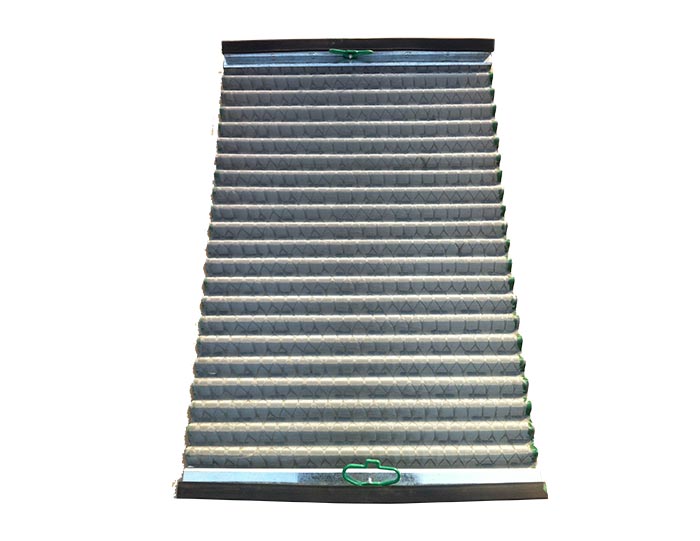
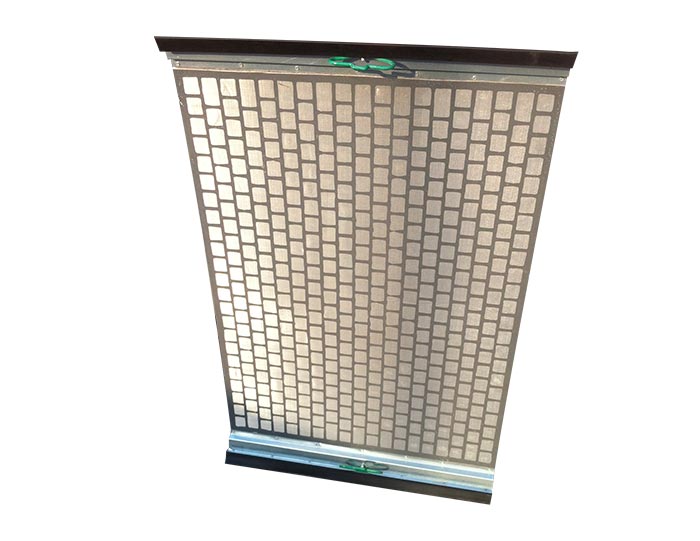
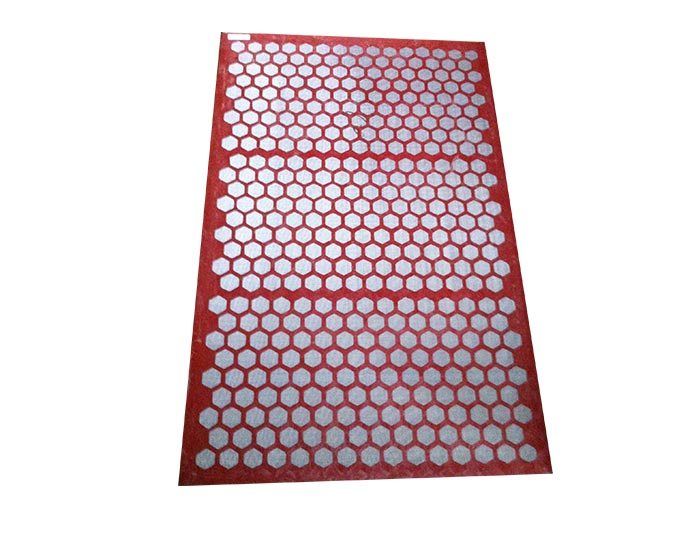
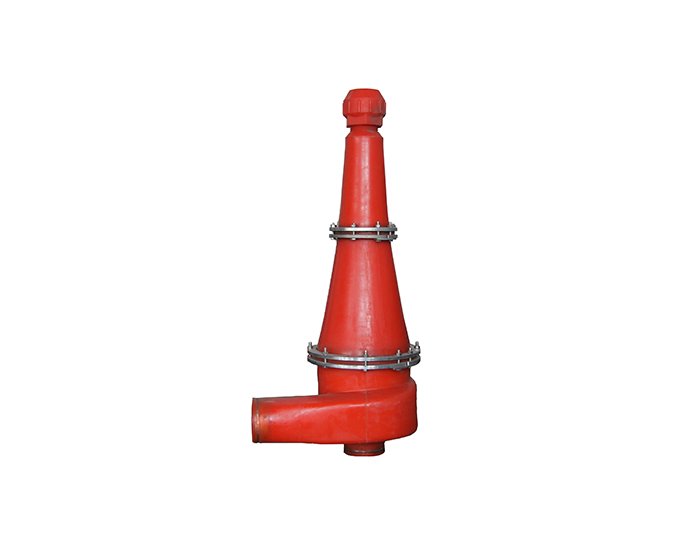
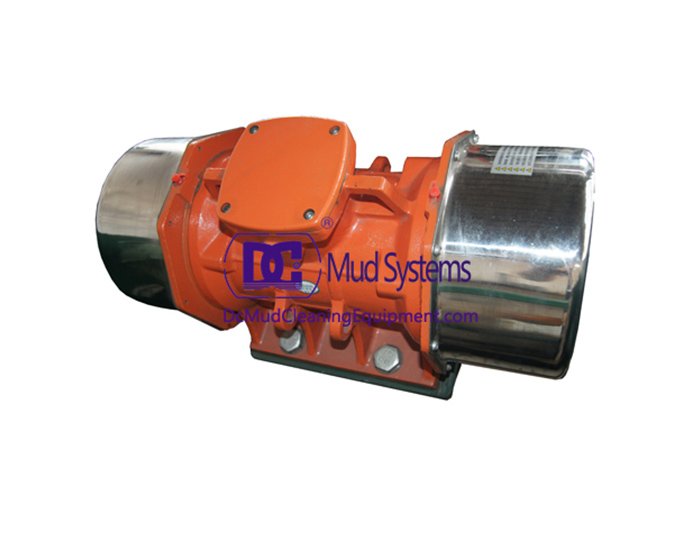
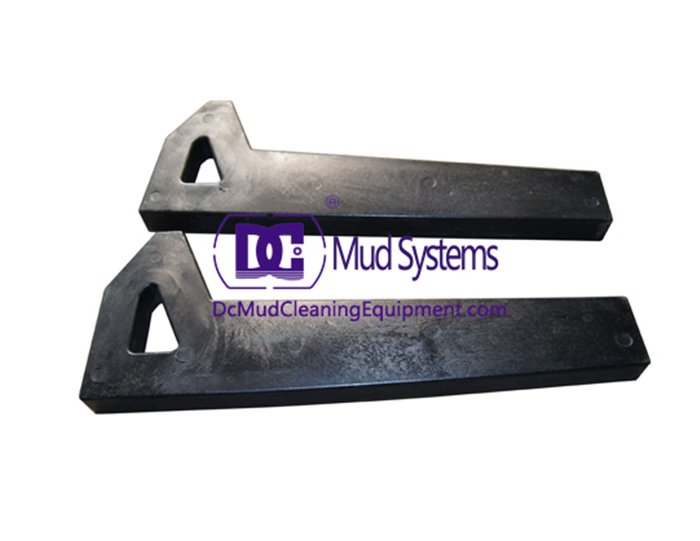
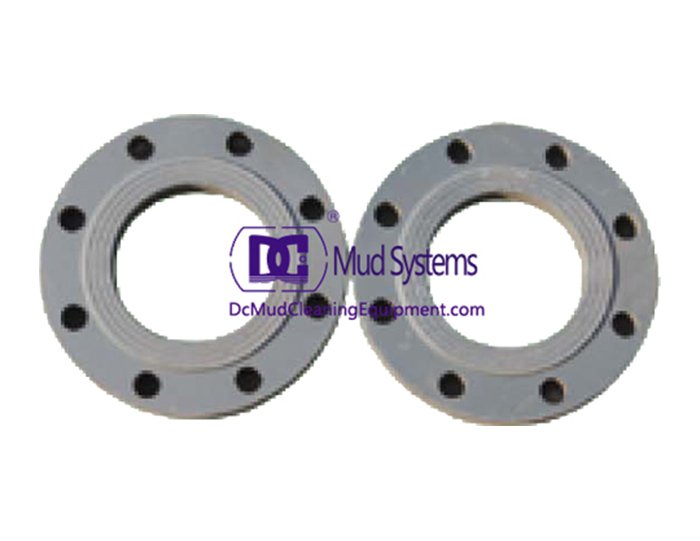
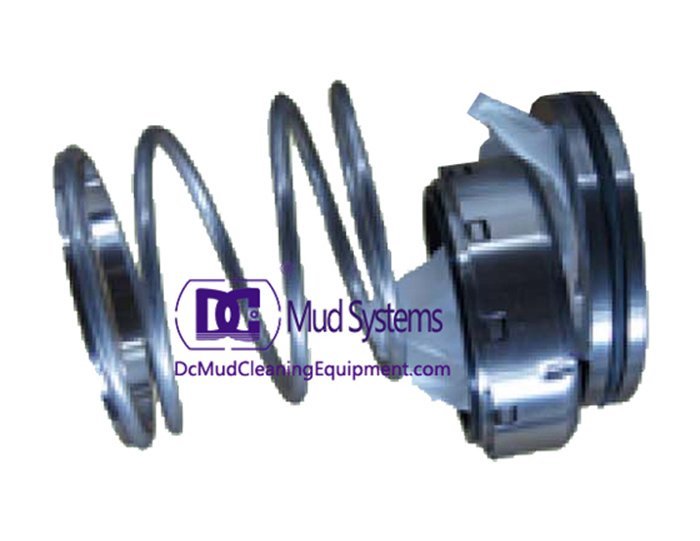
The service life of a mud cleaner heavily depends on the quality and compatibility of its internal components. Critical mud cleaner parts such as hydrocyclones, shaker screens, vibrating motors, feed manifolds, and wear-resistant liners are constantly exposed to abrasive drilling solids and corrosive drilling fluids.
Inferior or poorly matched parts often wear out quickly, causing unstable vibration performance, leakage problems, and reduced solids separation efficiency. In contrast, premium wear-resistant components manufactured with advanced materials can significantly reduce operational stress and prolong equipment lifespan.
Hydrocyclones, for example, are responsible for separating fine particles from drilling fluids through centrifugal force. If cyclone liners are manufactured with low-grade materials, erosion can occur rapidly, reducing separation efficiency and increasing maintenance frequency. Similarly, high-quality shaker screens with stronger mesh structures can maintain stable filtration performance even under high-flow drilling conditions.
Routine inspection of mud cleaner parts is equally important. Operators should regularly check for worn screens, cracked cones, loose fasteners, and abnormal vibration patterns. Replacing damaged components early can prevent more serious mechanical failures and avoid costly shutdowns during drilling operations.
Selecting the Right Mud Cleaner Machine for Harsh Drilling Conditions
Choosing the appropriate mud cleaner machine is one of the most effective ways to maximize service life in oilfield applications. Different drilling environments require different equipment configurations depending on mud type, drilling depth, formation characteristics, and processing capacity requirements.
For heavy-duty drilling projects, equipment with reinforced structural frames and corrosion-resistant coatings offers better protection against continuous vibration and exposure to drilling chemicals. Stainless steel components and polyurethane hydrocyclones are commonly used in demanding drilling environments because of their superior wear resistance.
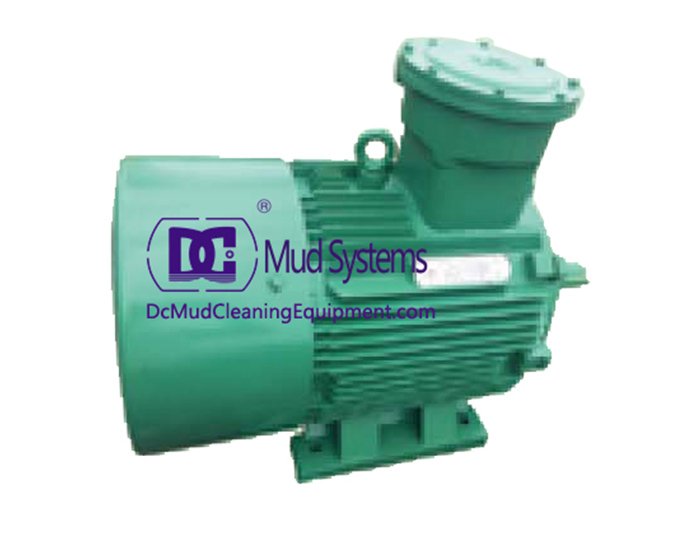
Another important factor is vibration system stability. A well-designed vibration mechanism distributes operational loads evenly across the shaker deck, minimizing structural fatigue over time. Machines equipped with energy-efficient motors and adjustable vibration settings also allow operators to optimize performance according to changing drilling conditions.
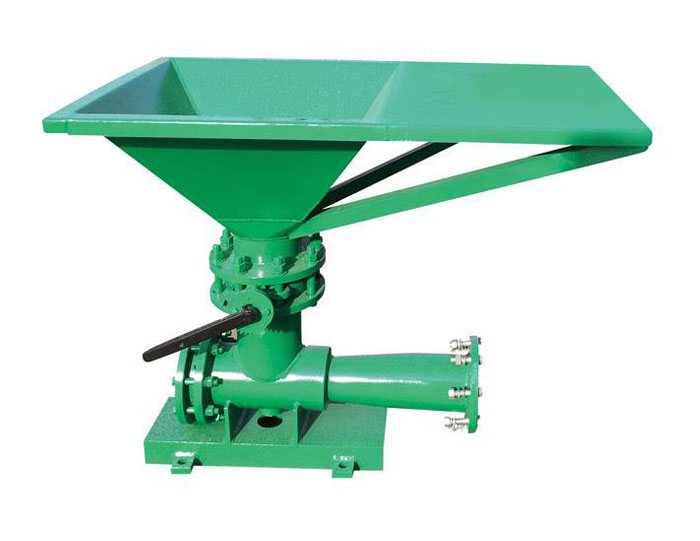
Modern mud cleaner machine designs increasingly focus on modular construction, which simplifies maintenance and component replacement. Modular systems reduce repair downtime and make it easier for operators to replace individual parts without dismantling the entire unit. This approach not only improves maintenance efficiency but also contributes to longer overall equipment life.
In addition, selecting equipment with proper processing capacity is essential. Oversized equipment may lead to unnecessary energy consumption, while undersized systems can become overloaded, accelerating wear on critical components. Proper sizing ensures balanced operation and stable solids control performance throughout the drilling project.
Maintenance Strategies for Mud Cleaner Systems
Preventive maintenance remains one of the most effective methods for extending the operational life of mud cleaner systems. In many drilling operations, equipment failures are caused not by manufacturing defects but by insufficient maintenance routines and improper operational practices.
Daily inspections should include checking screen tension, vibration motor temperature, lubrication levels, hydrocyclone pressure, and structural integrity. Small issues such as loose bolts or partially clogged cones can quickly escalate into major mechanical failures if left unaddressed.
Cleaning procedures also play a critical role in equipment longevity. Drilling fluids often contain sticky solids and chemical residues that accumulate inside the system over time. Regular cleaning helps maintain efficient fluid flow while preventing blockages and uneven wear.
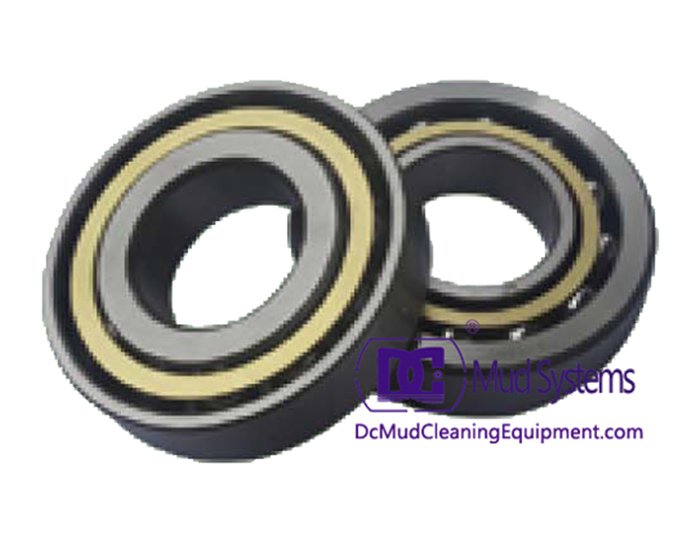
Lubrication management is another essential aspect of maintaining mud cleaner systems. Bearings and vibration motors operate under continuous mechanical stress, making proper lubrication necessary to prevent overheating and premature wear. Operators should always follow manufacturer recommendations regarding lubrication intervals and lubricant types.
Environmental conditions can also affect maintenance requirements. In offshore drilling environments or regions with high humidity, corrosion protection becomes particularly important. Applying protective coatings and conducting regular anti-corrosion inspections can greatly improve the lifespan of exposed structural components.
Training drilling personnel is equally valuable. Operators who understand proper startup procedures, load balancing, and troubleshooting techniques are more likely to identify potential issues early and prevent equipment misuse.
Why Choosing a Reliable Mud Cleaner Factory Matters
The long-term reliability of drilling equipment often depends on the manufacturing standards of the supplier. A professional mud cleaner factory not only provides durable equipment but also offers engineering support, quality testing, and after-sales service that contribute to extended equipment lifespan.
Experienced manufacturers typically use advanced production technologies and strict quality control procedures to ensure consistent equipment performance. High-standard welding processes, precision machining, and dynamic balancing tests all help improve structural stability and operational reliability.
A trusted mud cleaner factory also pays close attention to material selection. Components exposed to abrasive drilling fluids require specialized wear-resistant materials capable of withstanding continuous erosion. Manufacturers with strong research and development capabilities are better equipped to design equipment suitable for modern high-efficiency drilling operations.
Technical support is another major advantage of working with reputable suppliers. Professional manufacturers can assist customers in selecting suitable equipment configurations based on drilling conditions and operational goals. They can also provide spare parts support, maintenance guidance, and troubleshooting assistance that help operators maximize equipment performance over time.
Furthermore, reliable factories often conduct extensive field testing before delivering equipment to customers. This ensures that the system performs consistently under real drilling conditions and reduces the likelihood of unexpected failures during operation.

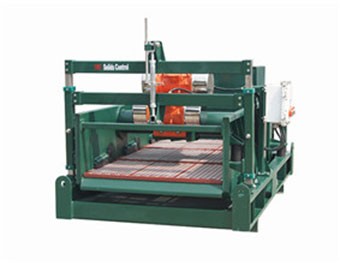 Linear Motion Shale Shaker In Drilling Rig
 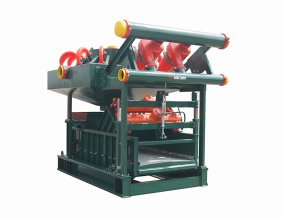 Oilfield Mud Cleaner
 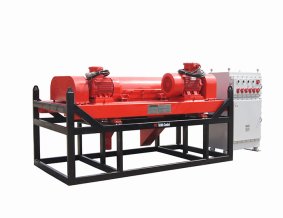 Drilling Fluid Decanter Centrifuge
 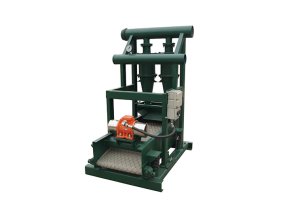 Drilling Mud Desander
 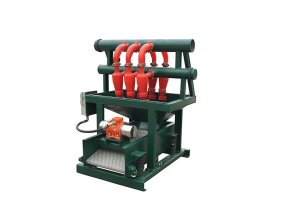 Hydrocyclone Desilter
 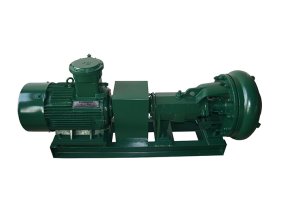 Centrifugal Pump/Centrifugal Mud Pump
 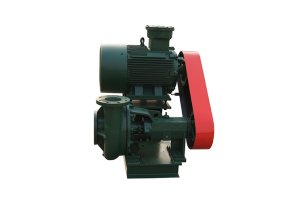 Shear Pump
 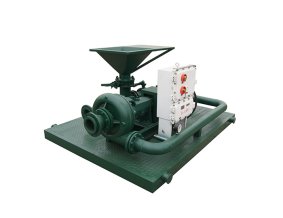 Jet Mud Mixer
 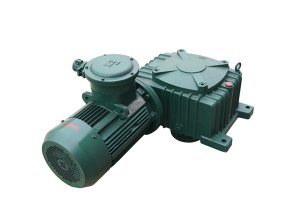 Horizontal Mud Agitator
 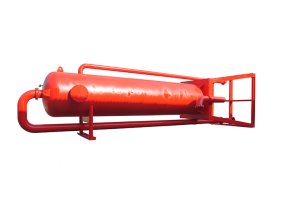 Constant Pressure Drilling Fluid Mud Gas Separator
 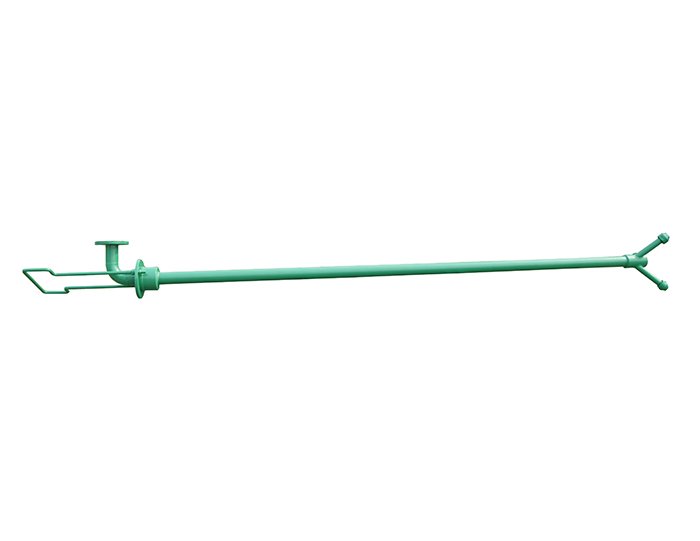 Mud Gun
 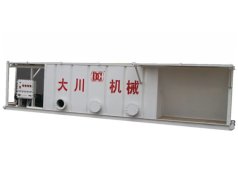 Mud Tank
 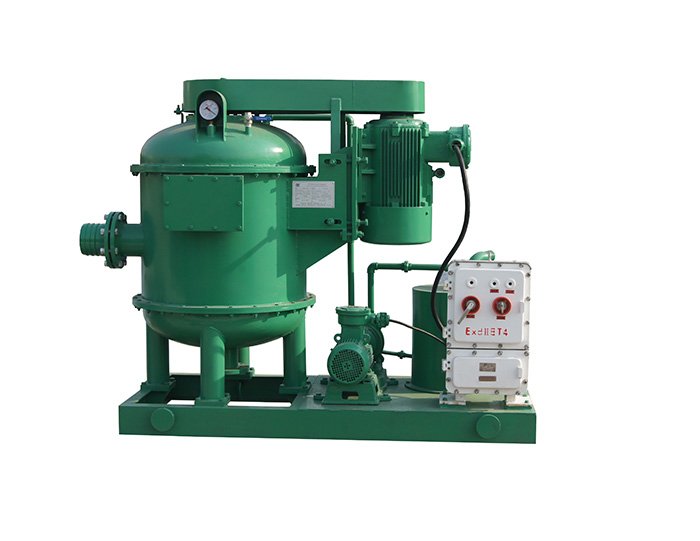 Solids Control System Vacuum Degasser
 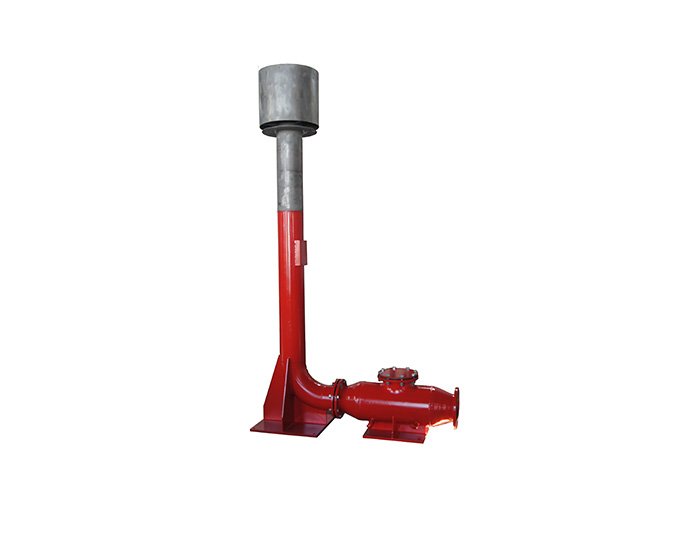 Flare Ignition Device
 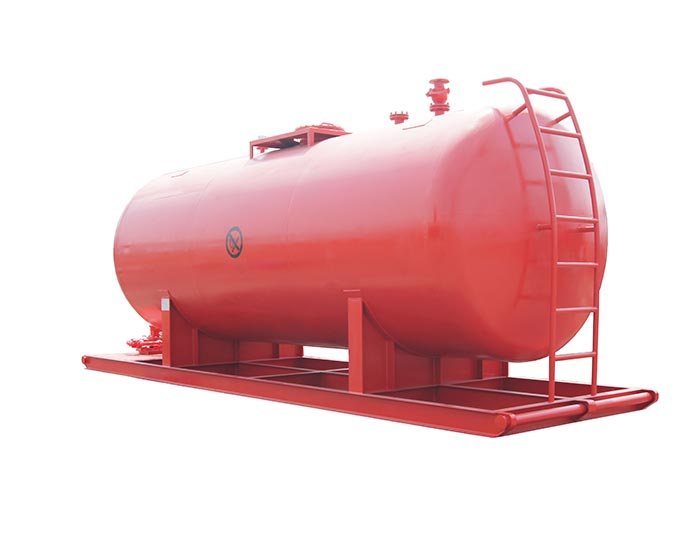 Diesel Tank
 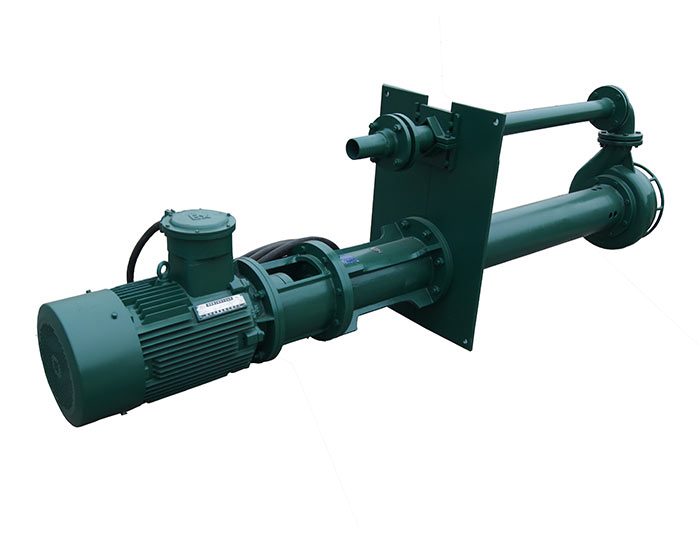 Submersible Slurry Pump