The cornerstone of any successful drilling operation lies in the management of the circulating fluid. In the high-stakes environment of oil and gas exploration, the integrity of the drilling mud determines the longevity of downhole tools and the overall rate of penetration. At the front line of this defense is the primary separation stage, where shale shaker screens act as the fundamental barrier against formation solids. By effectively removing large cuttings before the fluid reaches downstream centrifugal equipment, these specialized mesh panels ensure that the entire system operates at peak mechanical efficiency. Understanding the technical nuances of screen selection and application is essential for any operator looking to minimize costs and maximize environmental compliance.

The Engineering Behind Advanced Shale Shaker Screen Mesh Technology
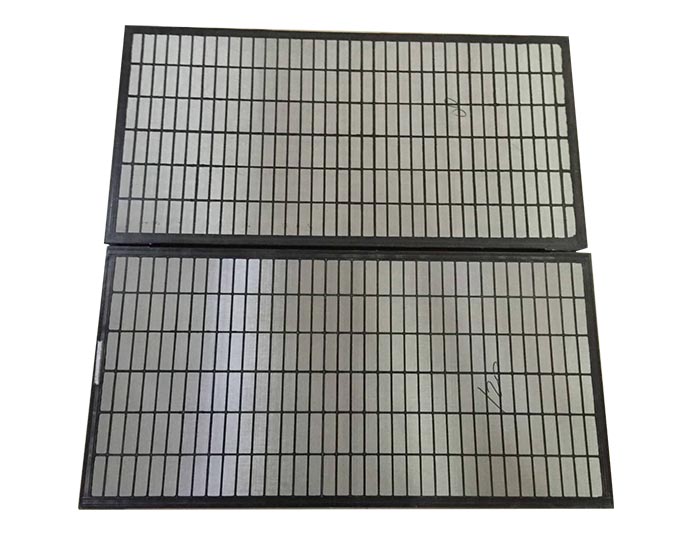
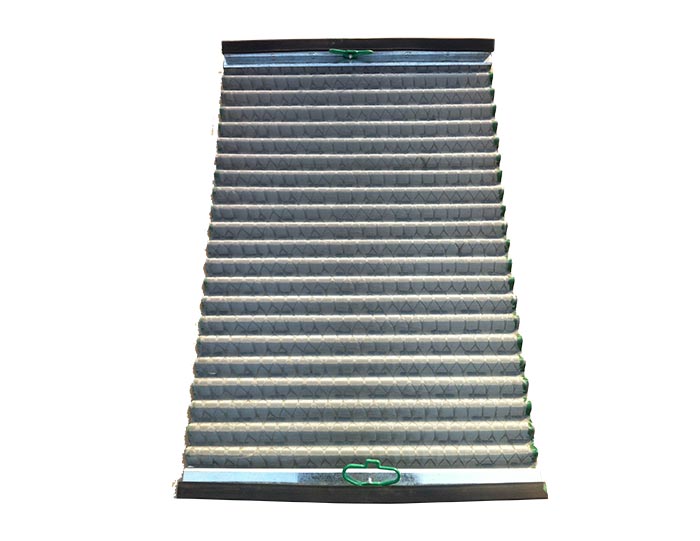
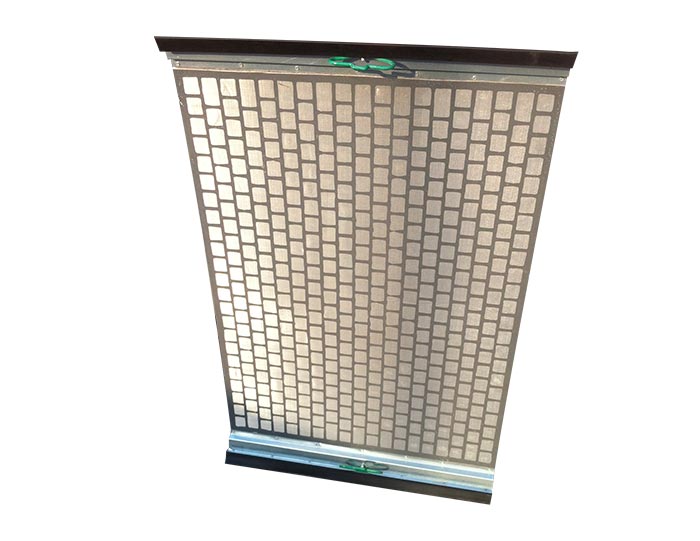
The performance of a primary separator is dictated almost entirely by the physical properties of the shale shaker screen mesh. Modern mesh design has evolved far beyond simple wire weaving. Today, manufacturers employ complex layering techniques, often bonding multiple layers of stainless steel wire cloth to a robust backing plate or frame. This multi-layered approach serves two critical purposes: it provides the fine filtration necessary to catch minute particles while maintaining the structural strength to withstand intense mechanical stress.
The "cut point" or "API size" of a mesh is the most vital metric for a solids control technician. A finer mesh can remove smaller particles, but it also increases the resistance to fluid flow. Conversely, a coarser mesh allows for higher flow rates but permits more detrimental solids to remain in the system. High-performance mesh technology utilizes rectangular or oblong openings rather than traditional square weaves to increase the "open area" percentage. By increasing the ratio of open space to wire diameter, these screens allow for a higher volume of fluid to pass through the deck without sacrificing the separation accuracy needed for effective drilling solids control.
Maximizing Throughput with a Vibrating Shale Shaker Screen
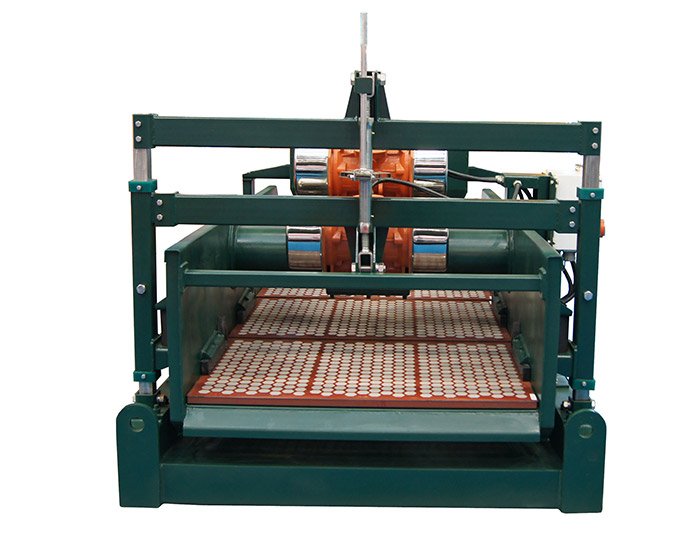
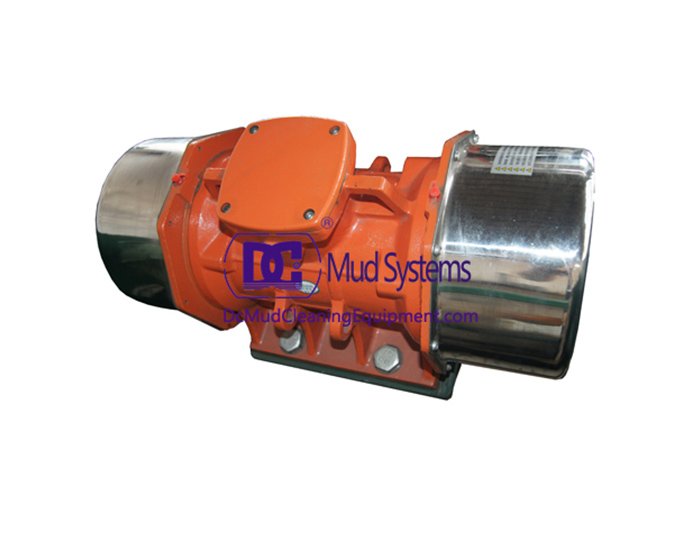
The physical act of separation requires more than just a filter; it requires the dynamic energy of a vibrating shale shaker screen. The vibration motor of the shaker generates G-forces that propel the drilling fluid through the mesh while conveying the discarded solids toward the discharge end of the machine. The interaction between the vibration pattern—whether linear, elliptical, or balanced elliptical—and the screen surface determines how effectively the "filter cake" is managed.
When a shaker operates at high G-forces, the fluid is forced through the mesh openings more aggressively. However, this same energy can cause "screen blinding" if the mesh is not designed to handle the specific viscosity of the mud. Blinding occurs when near-sized particles become lodged in the mesh openings, effectively sealing the screen and causing fluid to overflow. Advanced vibrating screens address this by using pre-tensioned designs and composite frames that dampen harmonic vibrations which lead to premature wire fatigue. This ensures that the energy is focused on fluid separation rather than destroying the screen's structural integrity, allowing for consistent performance even during high-volume drilling intervals.
Integrating Screens into the Broader Solids Control Equipment Ecosystem
While the shaker is the first point of contact, it does not act in isolation. It is a critical component within a sophisticated suite of solids control equipment. The efficiency of the primary shaker screens directly impacts the workload of the desanders, desilters, and decanter centrifuges that follow. If the shaker screens are compromised or incorrectly sized, an excess of "low gravity solids" will bypass the first stage and overwhelm the hydrocyclones.
Effective integration means selecting screens that complement the flow capacity of the entire mud plant. For instance, if the drilling program transitions into a formation with highly reactive clays, the screens must be swapped for types that can handle "sticky" cuttings without bypass. A well-managed solids control system maintains a balance where the shaker removes the bulk of the solids, allowing the downstream equipment to focus on ultra-fine polishing. This synergy reduces the wear and tear on centrifugal pumps and prevents the buildup of abrasive silts that can cause catastrophic failure in the power sections of downhole motors.
Strategic Advantages of Precision Drilling Solids Control
The ultimate goal of utilizing high-tier shale shaker screens is the preservation of the drilling fluid's chemical and physical properties. In modern drilling solids control, the cost of the fluid itself can represent a significant portion of the total well budget, especially when using synthetic-based muds (SBM) or oil-based muds (OBM). Every gallon of fluid that is lost over the back of the shaker with the cuttings is a direct financial loss.
Precision screening allows for "dry" cuttings, meaning the liquid film adhering to the discarded solids is minimized. This is achieved through the use of high-conductance screens that allow the liquid to drop through the mesh almost instantly upon contact. Furthermore, by keeping the solids concentration low, the operator reduces the need for "dilution"—the expensive process of adding new base fluid to lower the weight of the mud. Effective solids control through superior screening creates a closed-loop system that is both economically viable and environmentally responsible, as it significantly reduces the volume of waste that must be hauled away and treated.
Durability and Material Science in Modern Screen Construction
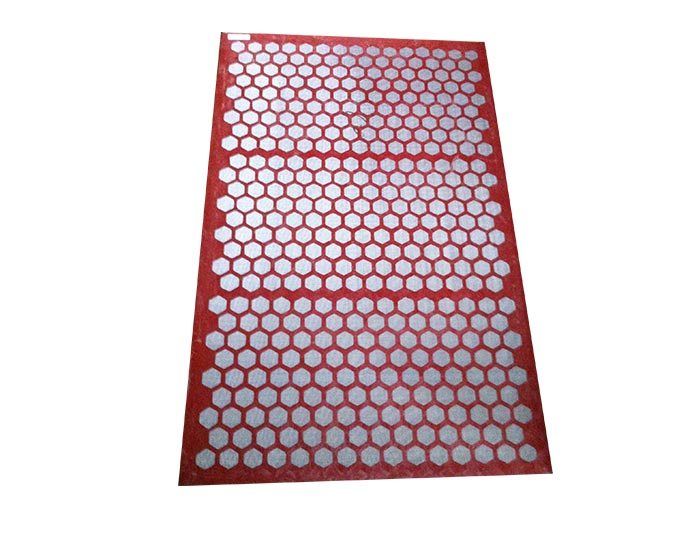
The environment on a shaker deck is incredibly hostile. Screens are subjected to constant vibration, abrasive sand, and corrosive chemical additives. To combat these forces, the industry has moved toward composite-frame screens. Unlike traditional metal-frame screens, composite versions do not rust and are less prone to "debonding," where the wire mesh pulls away from the frame due to heat or chemical exposure.
The adhesive used to bond the shale shaker screen mesh to the frame is now engineered to withstand high temperatures often encountered in deep-hole drilling. This material evolution ensures that the screen maintains its tension throughout its operational life. A screen that loses tension will begin to "flutter," leading to rapid wire breakage and a total loss of separation efficiency. By investing in screens built with superior material science, drilling contractors can extend the intervals between screen changes, thereby reducing downtime and the risk of fluid bypass during critical drilling phases.

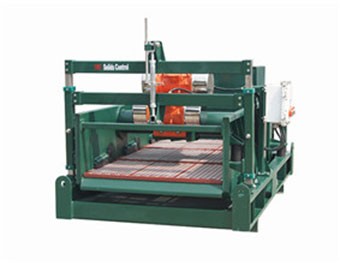 Linear Motion Shale Shaker In Drilling Rig
 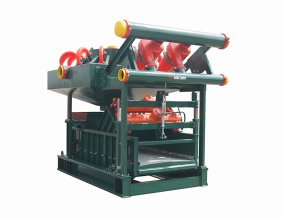 Oilfield Mud Cleaner
 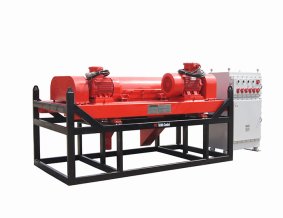 Drilling Fluid Decanter Centrifuge
 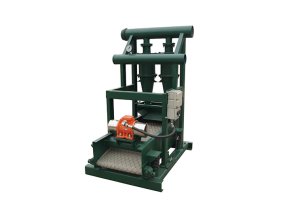 Drilling Mud Desander
 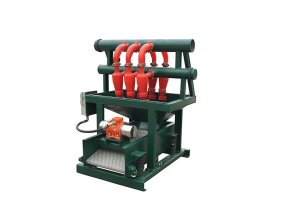 Hydrocyclone Desilter
 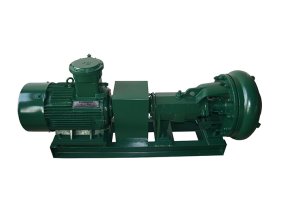 Centrifugal Pump/Centrifugal Mud Pump
 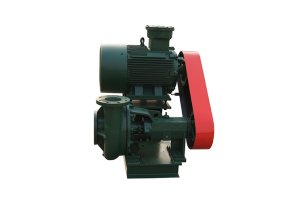 Shear Pump
 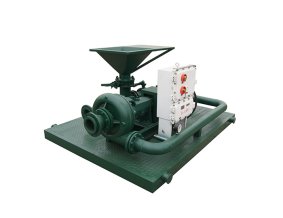 Jet Mud Mixer
 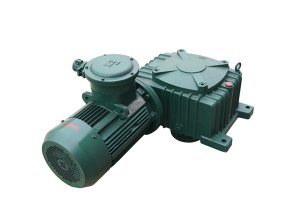 Horizontal Mud Agitator
 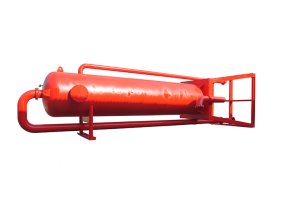 Constant Pressure Drilling Fluid Mud Gas Separator
 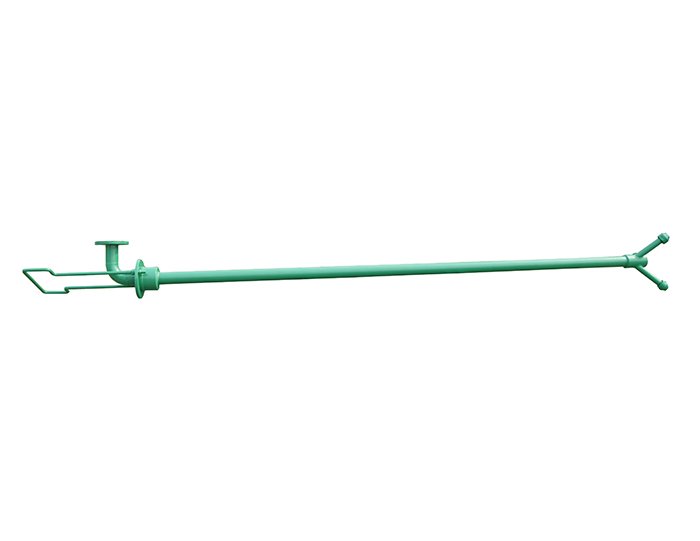 Mud Gun
 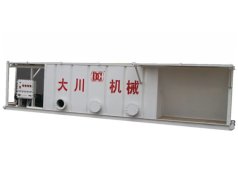 Mud Tank
 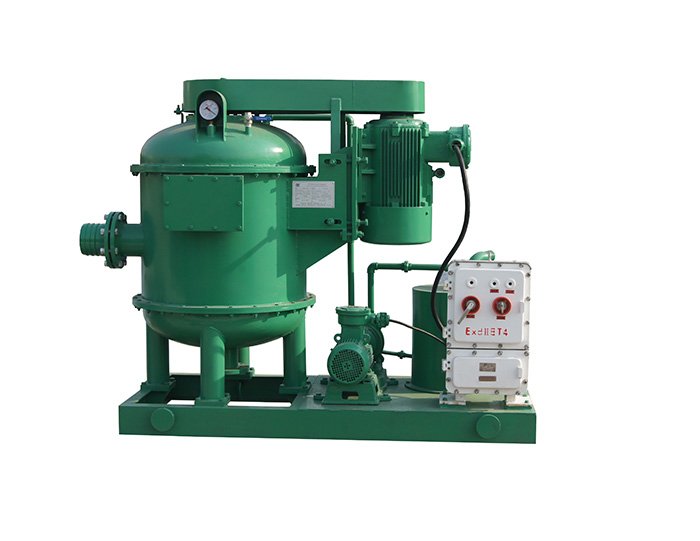 Solids Control System Vacuum Degasser
 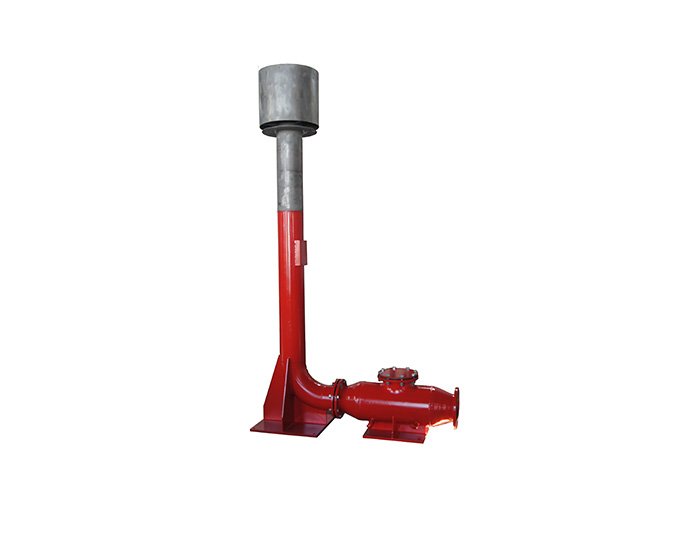 Flare Ignition Device
 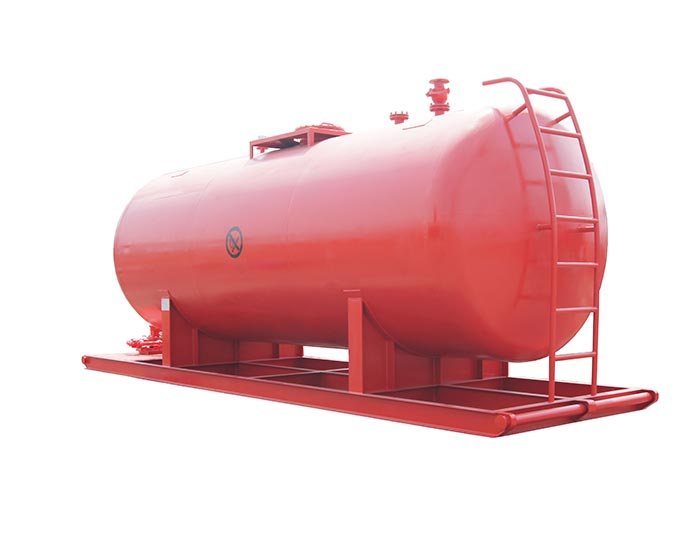 Diesel Tank
 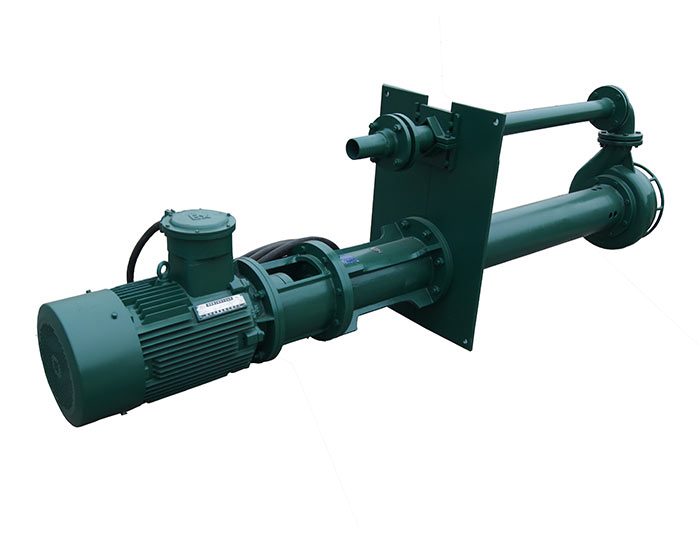 Submersible Slurry Pump