The modern oilfield is a theater of extreme conditions, where drilling deeper, faster, and more efficiently is the only way to maintain economic viability. Central to this pursuit is the integrity of the drilling fluid. As the "lifeblood" of the wellbore, the mud must be meticulously managed to ensure hydraulic stability and equipment longevity. This is where the integration of an advanced mud cleaner system becomes non-negotiable. Unlike historical methods that relied on basic settling or rudimentary screening, contemporary techniques leverage high-G acceleration and sophisticated hydrocyclone geometry to redefine the standards of fluid reclamation.

Enhancing Fluid Integrity with the Modern Mud Cleaner Machine
The transition from traditional shale shakers to the integrated mud cleaner machine represents a paradigm shift in solids control. In the past, the industry often accepted a certain level of "fine" buildup—solids between 15 and 74 microns—as an unavoidable byproduct of drilling. However, modern high-angle and extended-reach drilling (ERD) projects cannot tolerate the increased torque and drag associated with high solids content.
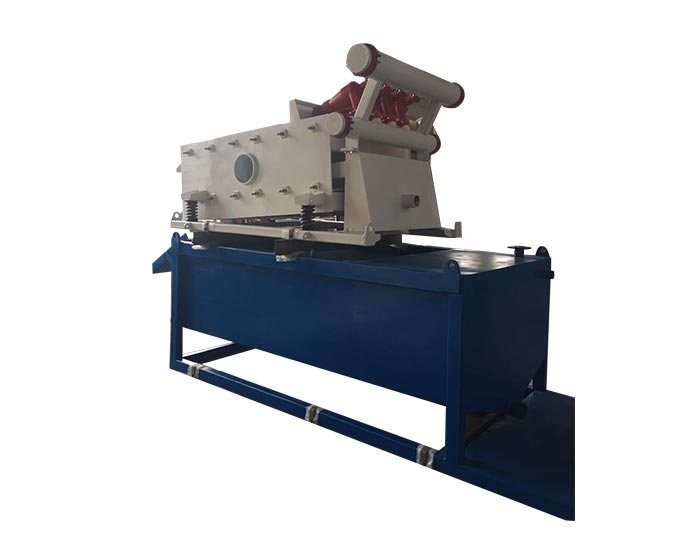
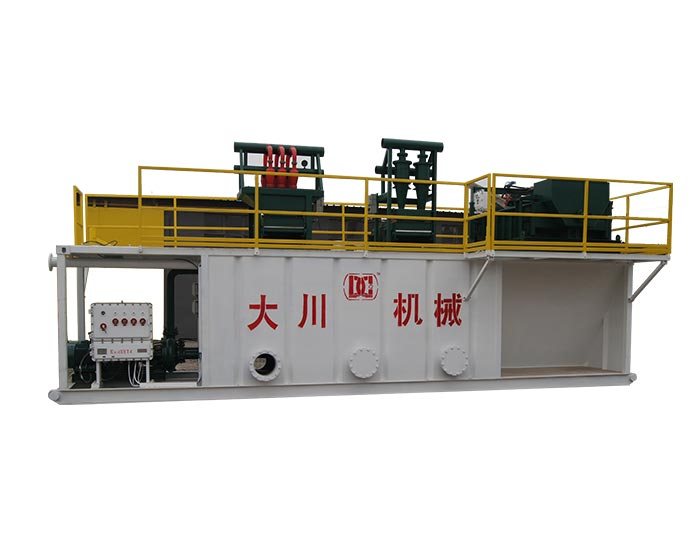
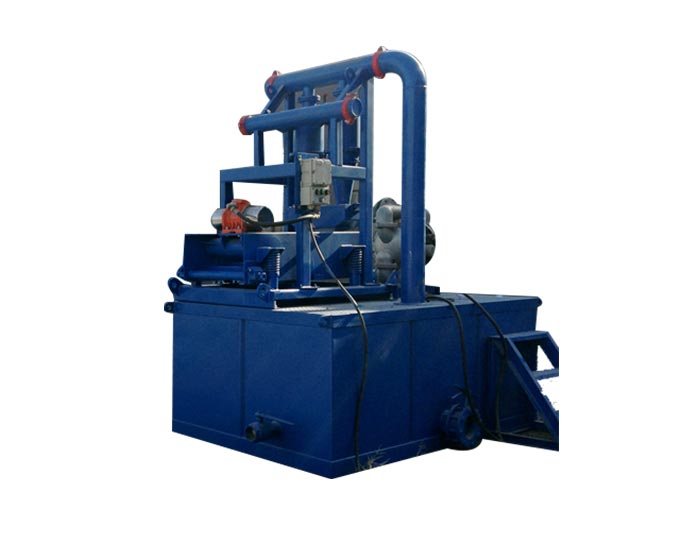
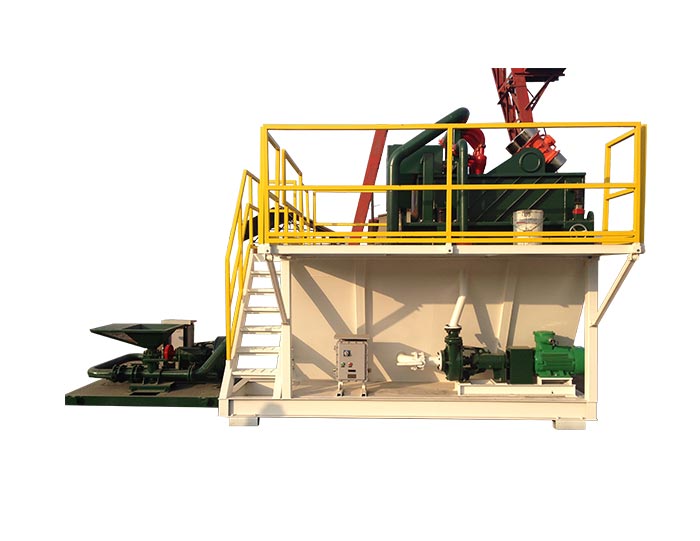
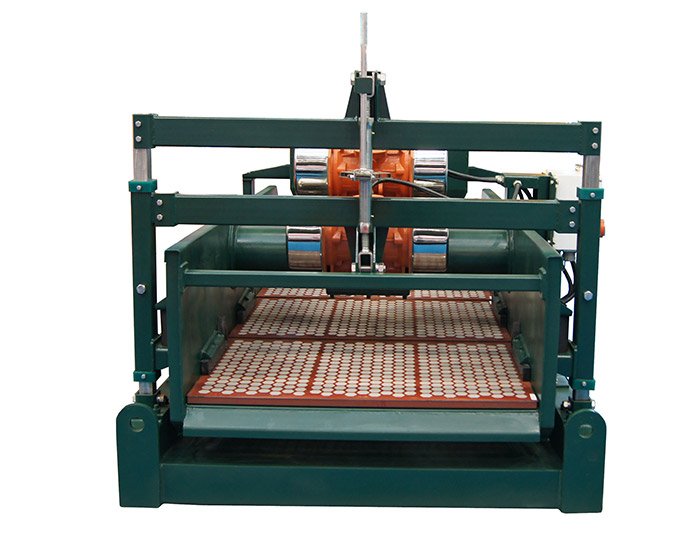
The advanced mud cleaner machine functions as a dual-stage separation powerhouse. By mounting a bank of desanders and desilters directly over a high-frequency linear motion shaker, the system achieves a synergistic effect. The hydrocyclones utilize centrifugal force to pull heavier solids toward the apex, while the underflow is processed by fine-mesh screens. This ensures that the expensive liquid phase, often laden with sophisticated polymers and weighting agents like barite, is recovered while the detrimental "drilling flour" is discarded. This closed-loop approach is essential for maintaining the specific gravity and rheological properties required for deepwater operations.
Strategic Integration of the Drilling Mud Cleaner in High-Pressure Environments
In high-pressure, high-temperature (HPHT) wells, the role of the drilling mud cleaner extends beyond simple waste management; it becomes a critical component of pressure control. When solids accumulate in the mud, the equivalent circulating density (ECD) rises. If the ECD exceeds the fracture gradient of the formation, the result is lost circulation—a catastrophic and costly event.
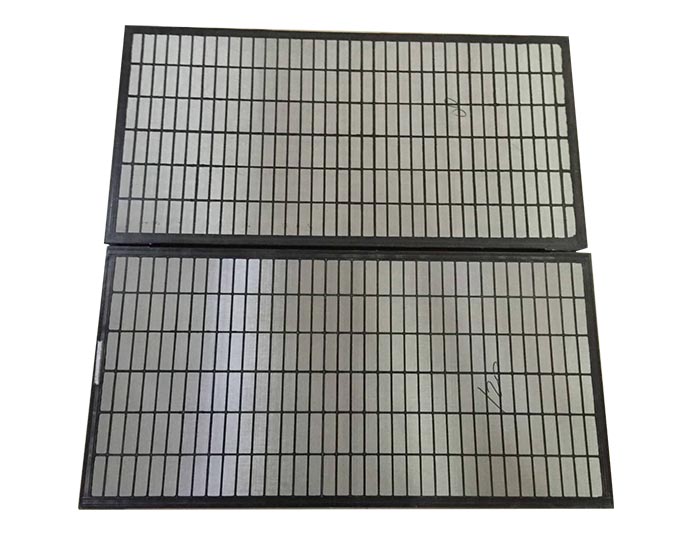
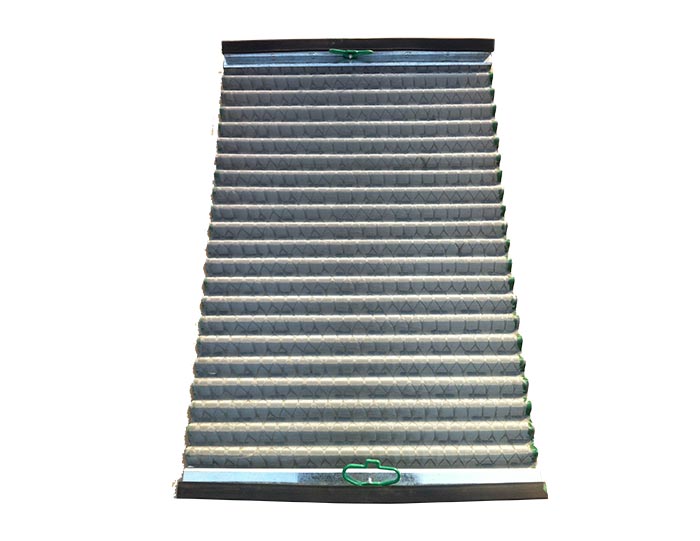
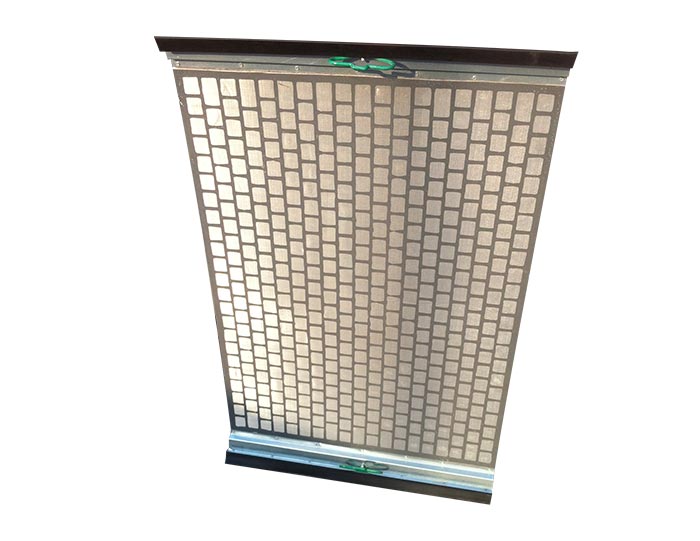
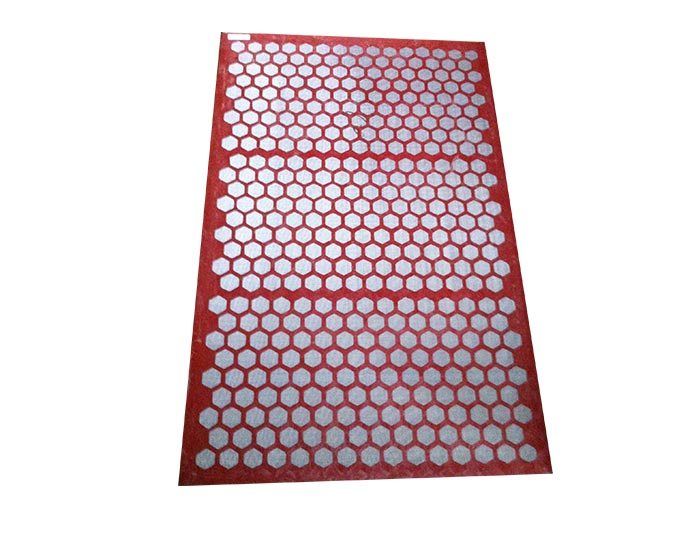
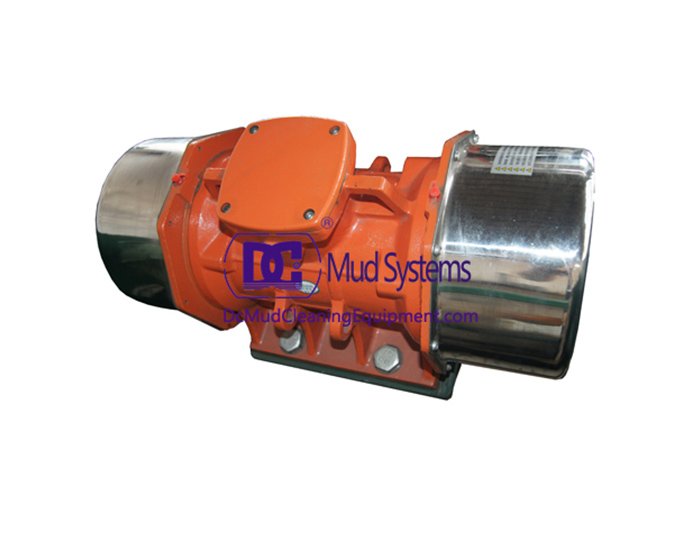
Advanced techniques now involve the use of variable-frequency drives (VFD) on the drilling mud cleaner's shaker motors. This allows engineers to adjust the G-force in real-time based on the viscosity of the fluid and the rate of penetration (ROP). By fine-tuning the vibration patterns, operators can prevent "screen blinding," where wet solids coat the mesh and cause fluid to bypass the cleaning process. Furthermore, the strategic placement of the mud cleaner within the overall solids control manifold ensures that the fluid is conditioned before it reaches the high-pressure pumps, significantly reducing the wear and tear on piston liners and valves.
Optimizing the Oilfield Mud Cleaner for Environmental Compliance
Environmental stewardship has moved from a peripheral concern to a core operational requirement. The oilfield mud cleaner plays a pivotal role in achieving "Zero Discharge" objectives. In many jurisdictions, the disposal of wet cuttings is heavily regulated or prohibited. Advanced mud cleaning techniques focus on maximizing the dryness of the discarded solids, thereby reducing the total volume of waste hauled off-site.
Modern oilfield mud cleaner designs incorporate "drying" technologies where the underflow from the hydrocyclones is subjected to intense secondary vibration. This process strips the liquid film from the surface of the cuttings. By reclaiming more of the base fluid—whether it be water, synthetic, or oil-based—the operator drastically reduces the cost of "makeup" mud. This economic benefit is coupled with a reduced carbon footprint, as fewer vacuum trucks are required to transport waste, and the demand for raw chemical additives is diminished. The sustainability of a modern drilling project is, in many ways, measured by the efficiency of its reclamation hardware.
Precision Engineering in Mud Cleaner Drilling Operations
The term mud cleaner drilling has come to describe a holistic approach where fluid processing is synchronized with the mechanical actions of the drill bit. As bits become more aggressive and ROP increases, the volume of cuttings generated per hour can overwhelm standard systems. Advanced mud cleaner drilling techniques utilize predictive modeling to determine the optimal screen configurations and hydrocyclone pressures before the bit even touches the ground.
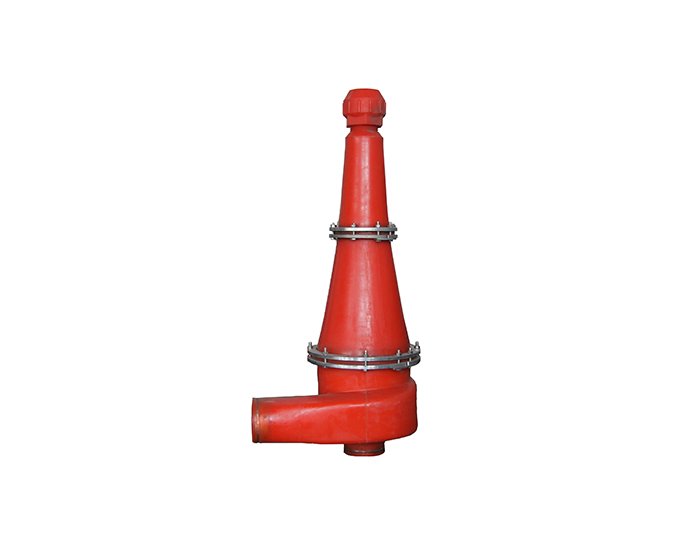
One such technique involves the use of polyurethane hydrocyclones with adjustable apex inserts. This allows the mud engineer to "tune" the centrifugal separation based on the specific geology being drilled. For instance, when drilling through highly dispersive clays, the mud cleaner must be set to handle a higher volume of ultra-fines that tend to stay in suspension. By contrast, when moving through abrasive sandstone, the focus shifts to removing larger, gritty particles that could erode the drill string. This level of precision ensures that the fluid returning downhole is always of the highest quality, protecting the bottom-hole assembly (BHA) and sophisticated logging-while-drilling (LWD) tools.
Innovations in Mud Cleaner System Automation and Monitoring
The final frontier of solids control lies in the digitization of the mud cleaner system. We are moving away from manual "bucket-and-stopwatch" testing toward real-time, automated monitoring. Modern systems are now being equipped with sensors that measure the mass flow rate and particle size distribution of both the feed and the discharge.
These automated systems can automatically adjust the header pressure of the desilter bank to maintain optimal separation efficiency. If the sensors detect a spike in solids bypass, the system can alert the driller or even automatically throttle the mud pumps to allow the cleaning circuit to catch up. This integration into the "Digital Rig" ecosystem ensures that the mud cleaner system is not just a passive piece of equipment, but an active participant in the drilling process. By leveraging data analytics, operators can predict when screens are likely to fail, allowing for preemptive maintenance that avoids non-productive time (NPT).

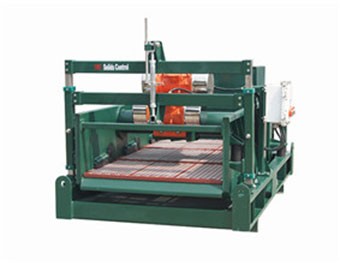 Linear Motion Shale Shaker In Drilling Rig
 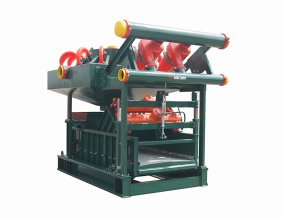 Oilfield Mud Cleaner
 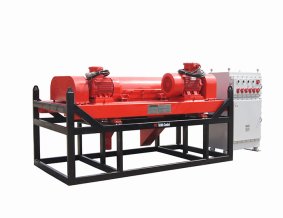 Drilling Fluid Decanter Centrifuge
 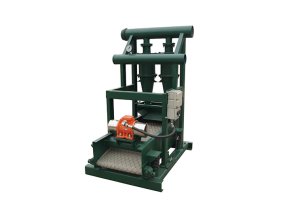 Drilling Mud Desander
 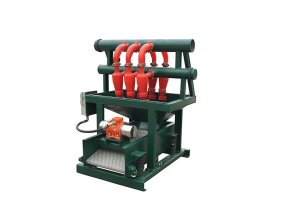 Hydrocyclone Desilter
 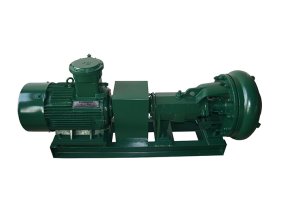 Centrifugal Pump/Centrifugal Mud Pump
 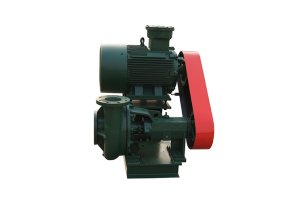 Shear Pump
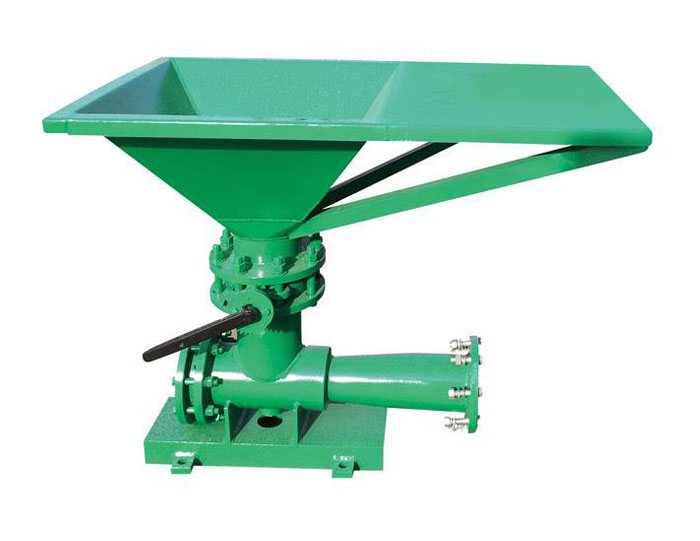
 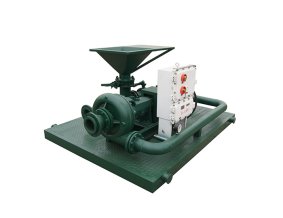 Jet Mud Mixer
 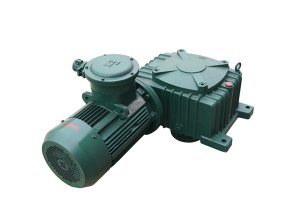 Horizontal Mud Agitator
 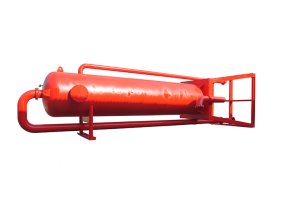 Constant Pressure Drilling Fluid Mud Gas Separator
 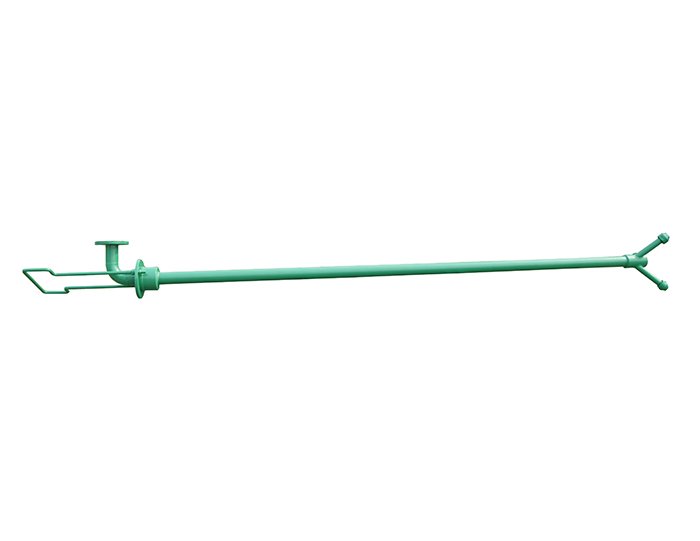 Mud Gun
  Mud Tank
 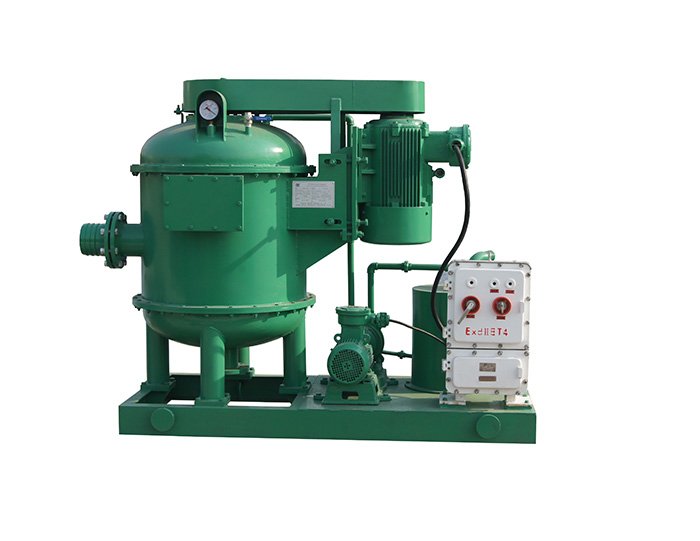 Solids Control System Vacuum Degasser
 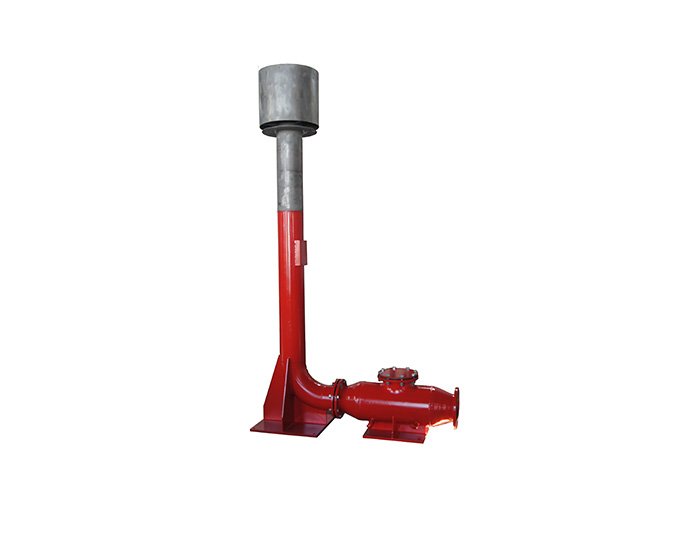 Flare Ignition Device
 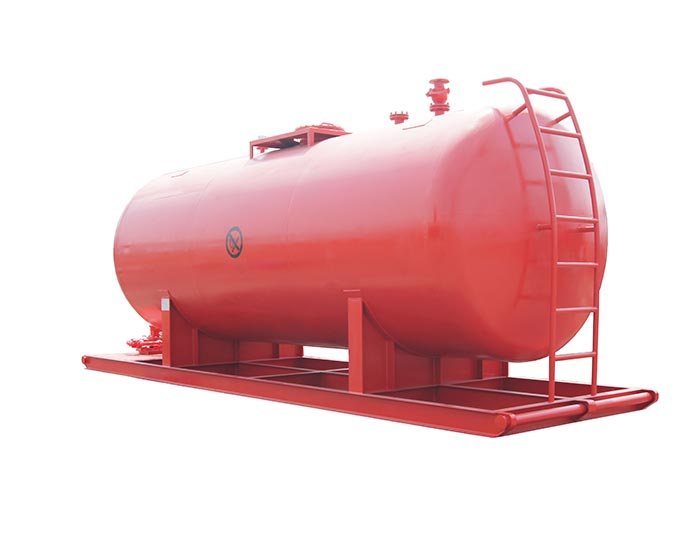 Diesel Tank
 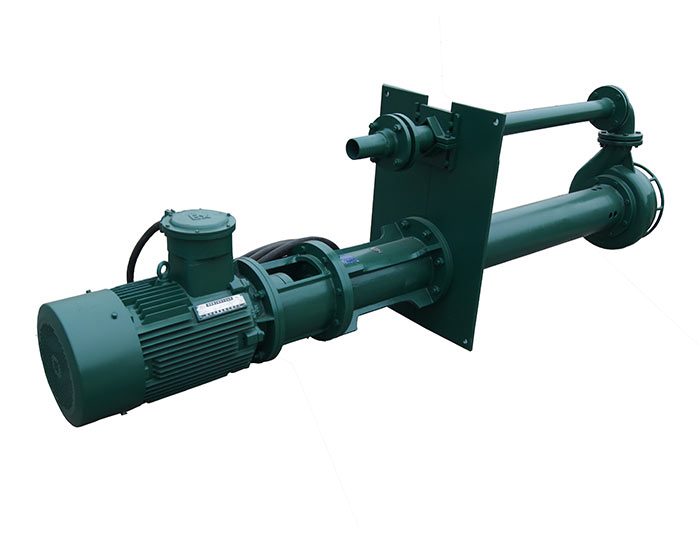 Submersible Slurry Pump