The performance of drilling fluid management equipment has a direct influence on the efficiency, safety, and stability of modern oilfield operations. As drilling environments become increasingly demanding, operators are placing greater emphasis on technologies that can maintain fluid integrity under constantly changing downhole conditions. Among the most important components in advanced fluid processing operations is the vacuum degassing system, a critical solution designed to remove entrained gases from drilling fluids and preserve proper mud performance throughout the drilling cycle.
Gas contamination in drilling mud can create serious operational complications. It can reduce fluid density, weaken hydrostatic pressure, interfere with circulation stability, and increase the risk of well control incidents. For this reason, selecting reliable vacuum degassing systems has become a strategic decision for drilling contractors and energy companies seeking safer and more efficient operations.
A professionally designed vacuum degasser unit does more than remove unwanted gas. It contributes to overall fluid conditioning, supports drilling efficiency, and strengthens the reliability of integrated fluid treatment infrastructure. Every experienced solids control company understands that effective gas separation is essential for maintaining consistent drilling performance in both conventional and complex drilling projects.
As the global energy industry continues advancing toward deeper wells and more technically challenging formations, the role of high-performance oilfield solids control equipment continues to expand. Choosing the right vacuum degassing solution is therefore a key part of building a dependable drilling fluid management system.

Why a Vacuum Degassing System Matters in Modern Oilfield Solids Control
Drilling fluids operate under extreme pressure and temperature conditions while performing multiple tasks inside the wellbore. They stabilize formation pressure, transport cuttings to the surface, cool drilling tools, and support overall well integrity. When gas enters the drilling mud, these functions can become compromised very quickly.
A reliable vacuum degassing system removes dissolved and entrained gases before contaminated fluid returns to the active circulation process. This separation process allows drilling mud to retain stable density and consistent rheological properties, which are necessary for effective drilling performance.
Modern vacuum degassing systems are especially valuable in gas-bearing formations where continuous gas intrusion may occur during drilling. In these situations, proper gas removal helps maintain accurate pressure control and reduces operational instability. Without effective degassing, drilling fluid may become gas-cut, leading to pressure imbalance and reduced well control capability.
An advanced vacuum degasser unit also improves the efficiency of downstream processing equipment by stabilizing fluid conditions before the mud reaches other treatment stages. This coordinated operation enhances the overall performance of integrated drilling fluid systems.
Every professional solids control company recognizes that drilling fluid quality directly affects drilling safety, equipment longevity, and project efficiency. As a result, dependable degassing technology has become an essential component of modern oilfield solids control strategies.
How Vacuum Degassing Systems Improve Drilling Fluid Performance
The effectiveness of drilling operations depends heavily on maintaining stable drilling fluid properties throughout the entire circulation process. Gas contamination can interfere with viscosity, density, and fluid consistency, creating unpredictable drilling conditions that slow down operations and increase operational risks.
A properly selected vacuum degassing system helps maintain fluid stability by continuously separating gas from the drilling mud stream. This process supports smoother circulation and allows drilling engineers to maintain more accurate pressure management throughout the well.
High-quality vacuum degassing systems are designed to operate efficiently under varying drilling conditions, including fluctuating flow rates and changing gas concentrations. Their ability to maintain reliable performance under stress makes them valuable assets in demanding drilling environments.
An efficient vacuum degasser unit also contributes to better drilling fluid recovery. By preserving fluid quality, operators can reduce unnecessary fluid replacement and maintain more consistent mud treatment processes. This improves operational continuity and supports long-term drilling efficiency.
A trusted solids control company will typically focus not only on gas separation capacity but also on system integration, equipment durability, and maintenance accessibility when designing fluid management solutions. These factors are essential for achieving reliable oilfield solids control performance during extended drilling campaigns.
Selecting a Vacuum Degasser Unit for Challenging Drilling Conditions
Not all drilling projects face the same operational conditions. Some wells encounter shallow gas zones, while others operate in high-pressure environments where gas invasion occurs frequently. Choosing the right vacuum degassing system therefore requires careful consideration of the specific drilling environment and fluid characteristics.
In deeper wells or formations with unstable pressure behavior, the efficiency of vacuum degassing systems becomes particularly important. Systems must be capable of handling continuous gas influx without disrupting drilling fluid circulation or causing excessive maintenance interruptions.
The design quality of a vacuum degasser unit also influences operational reliability. Robust construction materials, stable vacuum generation, and effective separation chambers all contribute to better long-term performance under harsh oilfield conditions.
An experienced solids control company understands that drilling environments vary widely across different regions and geological formations. This is why customized fluid management solutions are often preferred over generic equipment configurations. Tailored systems allow operators to achieve more stable fluid performance while adapting to changing operational requirements.
Within modern oilfield solids control infrastructure, degassing equipment must also work efficiently alongside shale shakers, centrifuges, desanders, and desilters. Integrated compatibility is essential for maintaining balanced drilling fluid treatment throughout the operation.
Why Vacuum Degassing Systems Support Safer Oilfield Operations
Safety remains one of the most important priorities in oilfield drilling activities. Gas-contaminated drilling fluids can create dangerous pressure fluctuations and hazardous working conditions if not properly managed. A dependable vacuum degassing system plays a critical role in reducing these operational risks.
By removing entrained gas from drilling mud, vacuum degassing systems help maintain stable hydrostatic pressure inside the wellbore. This contributes to improved well control and reduces the likelihood of blowouts or uncontrolled gas migration.
A high-performance vacuum degasser unit also minimizes the release of harmful gases around surface equipment. This creates safer working conditions for drilling personnel and reduces exposure to potentially hazardous vapors during fluid processing operations.
Leading equipment manufacturers and every responsible solids control company prioritize operational safety when designing drilling fluid systems. Reliable degassing technology is therefore integrated into broader safety strategies aimed at protecting workers, preserving equipment integrity, and maintaining stable drilling performance.
As safety regulations continue evolving worldwide, advanced oilfield solids control solutions are becoming increasingly important for meeting industry compliance standards and reducing environmental and operational risks.
The Role of Vacuum Degassing System Technology in Efficient Drilling
Efficiency is closely tied to fluid stability in modern drilling operations. Gas intrusion can reduce pump performance, interrupt circulation patterns, and create unstable drilling parameters that slow overall progress. A reliable vacuum degassing system helps prevent these disruptions by maintaining cleaner and more stable drilling fluid conditions.
Consistent fluid quality allows drilling operations to proceed more smoothly with fewer interruptions related to pressure instability or fluid contamination. This improves operational continuity and supports better overall drilling performance.
Modern vacuum degassing systems are designed with increasing attention to energy efficiency, automation, and operational reliability. Many systems now feature improved vacuum generation technology and enhanced separation efficiency that allow operators to achieve better fluid treatment results while minimizing energy consumption.
An advanced vacuum degasser unit can also reduce maintenance demands by preventing excessive gas accumulation inside the circulation system. This helps protect pumps, pipelines, and processing equipment from unnecessary stress and operational wear.
A forward-thinking solids control company understands that efficient drilling requires a balanced combination of fluid treatment technologies working together seamlessly. Effective degassing equipment therefore forms a central part of integrated oilfield solids control systems designed for high-performance drilling environments.

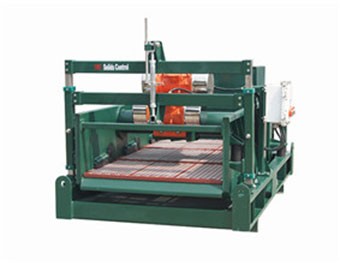 Linear Motion Shale Shaker In Drilling Rig
 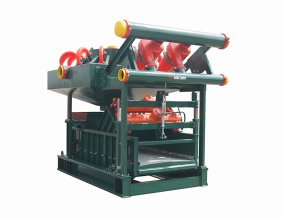 Oilfield Mud Cleaner
 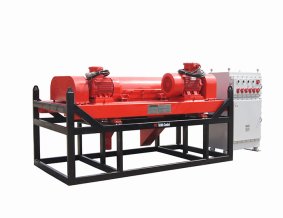 Drilling Fluid Decanter Centrifuge
 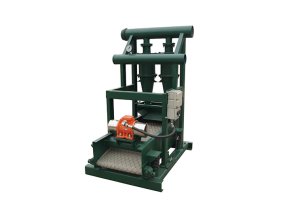 Drilling Mud Desander
 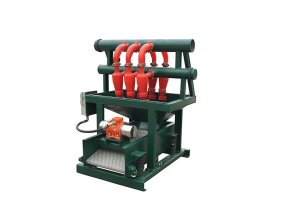 Hydrocyclone Desilter
 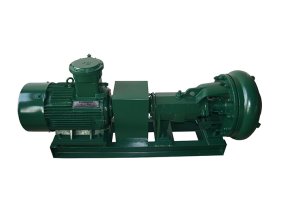 Centrifugal Pump/Centrifugal Mud Pump
 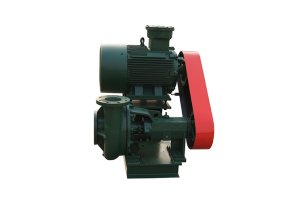 Shear Pump
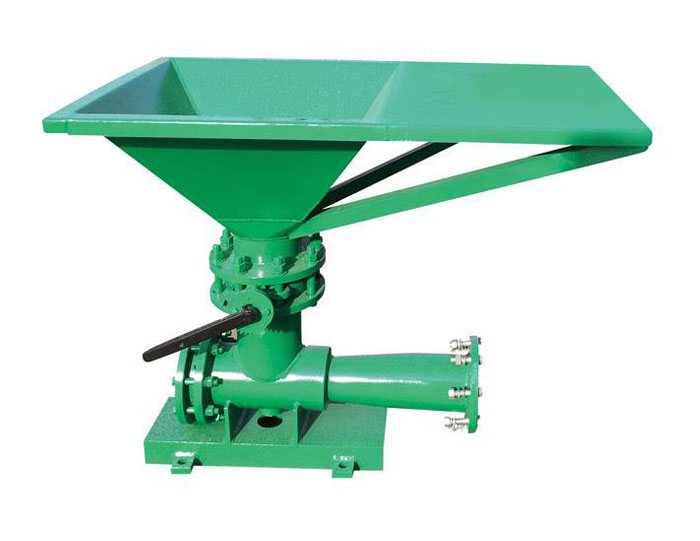
 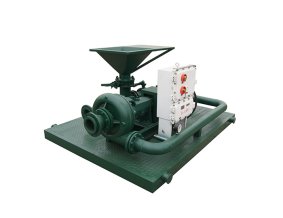 Jet Mud Mixer
 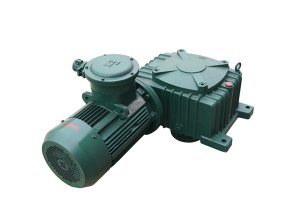 Horizontal Mud Agitator
 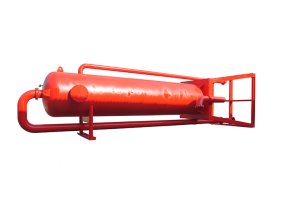 Constant Pressure Drilling Fluid Mud Gas Separator
 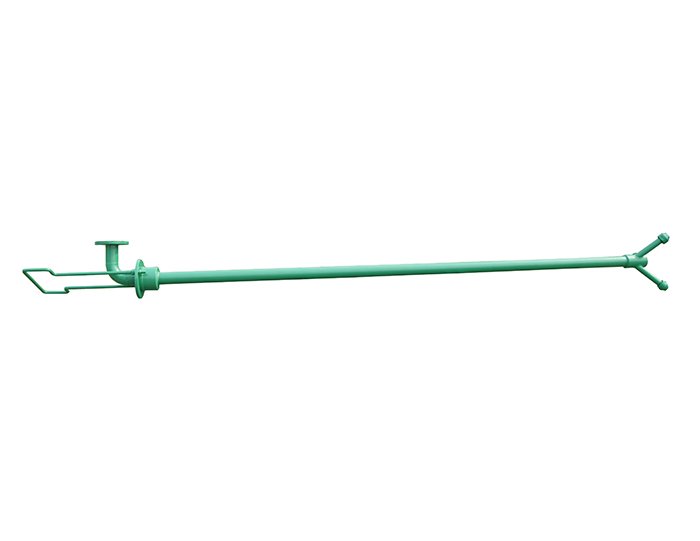 Mud Gun
 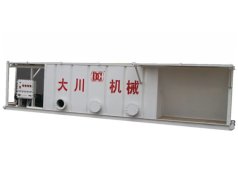 Mud Tank
 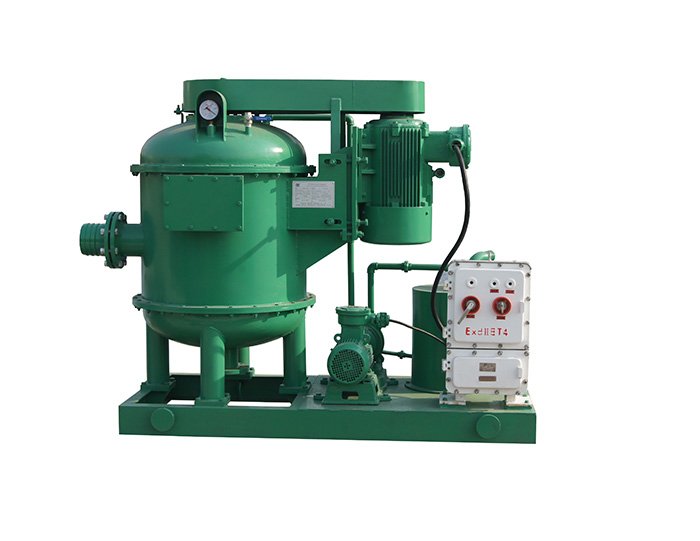 Solids Control System Vacuum Degasser
 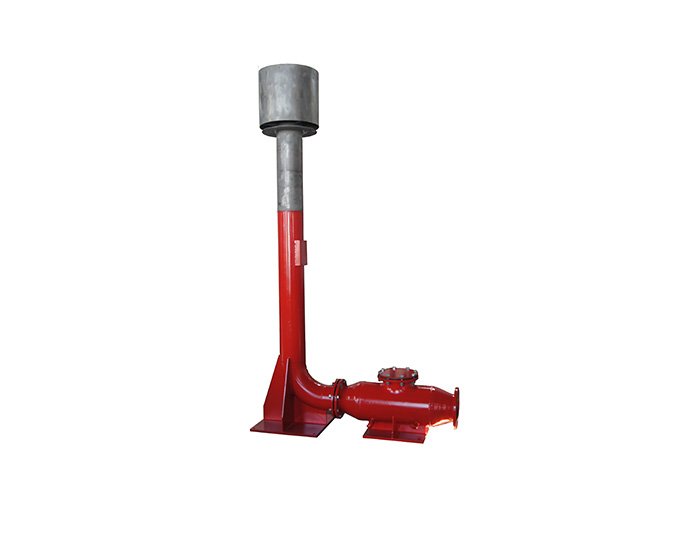 Flare Ignition Device
 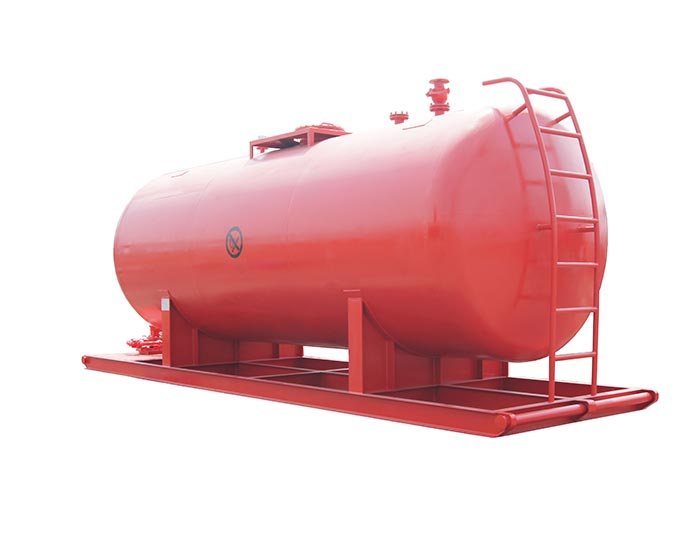 Diesel Tank
 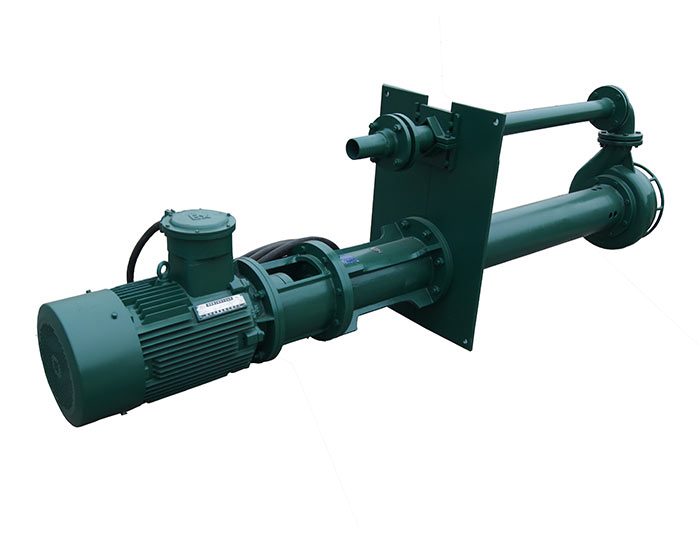 Submersible Slurry Pump