In modern oil and gas exploration, maintaining stable drilling fluid performance is one of the most critical factors for successful drilling operations. As drilling environments become increasingly complex, operators face greater challenges related to gas invasion, drilling fluid contamination, pressure instability, and inefficient solids removal. Under these demanding conditions, advanced vacuum degasser technology has become an essential component of modern drilling solids control systems.
A high-performance drilling mud degasser not only removes harmful gas from drilling fluids but also improves the overall efficiency of the entire degasser system. By integrating advanced engineering, automation, and reliable vacuum separation processes, today’s equipment helps drilling contractors maintain fluid balance, reduce operational risks, and improve drilling performance in both onshore and offshore applications.

Why Vacuum Degasser Equipment Is Essential for Modern Drilling Operations
During drilling activities, gas-cut mud is a common issue that can significantly affect drilling efficiency and well safety. When gas enters the drilling fluid circulation system, the density and viscosity of the mud may change rapidly, leading to unstable pressure control and reduced drilling performance. In severe situations, uncontrolled gas intrusion can increase operational hazards and negatively impact the entire drilling project.
This is where a modern vacuum degasser plays a crucial role. By applying vacuum pressure inside the equipment chamber, dissolved and entrained gas can be effectively separated from the drilling fluid before the mud returns to the active mud system. This process restores drilling fluid density and helps maintain proper hydrostatic pressure inside the wellbore.
Compared with traditional gas separation methods, advanced degasser system technology offers faster gas removal, more stable operation, and greater compatibility with high-capacity circulation systems. As drilling depths increase and well structures become more complicated, efficient degassing has become a necessary part of reliable solids control management.
Advanced Drilling Mud Degasser Design Improves Fluid Stability
The performance of a drilling mud degasser depends heavily on its internal structure, vacuum efficiency, and fluid handling capability. Modern systems are designed with optimized vessel geometry and high-efficiency vacuum pumps to maximize gas-liquid separation performance while minimizing energy consumption.
One major advantage of advanced equipment is its ability to process drilling fluids continuously without interrupting mud circulation. Continuous degassing helps maintain stable drilling parameters and reduces fluctuations in fluid density. This is especially important in deep wells, horizontal drilling projects, and high-pressure drilling environments where fluid consistency directly affects drilling safety.
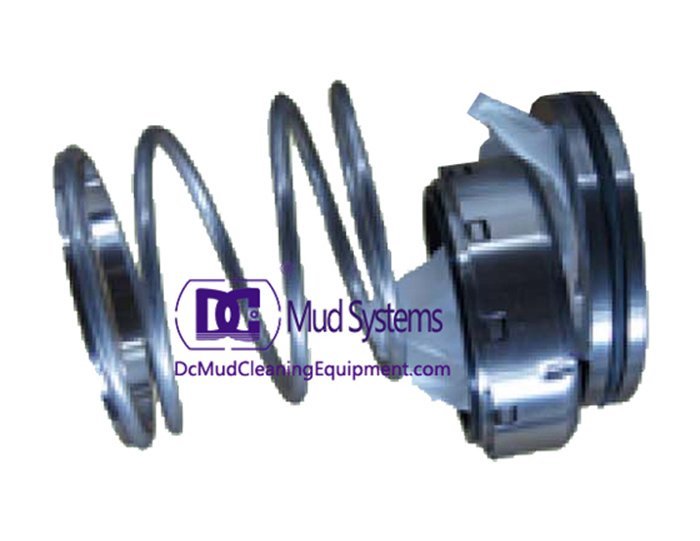
In addition, many modern vacuum degasser units are manufactured with corrosion-resistant materials and durable sealing systems that support long-term operation under harsh field conditions. Improved mechanical reliability reduces downtime and lowers maintenance requirements, which is highly valuable for demanding drilling sites.
As part of an integrated drilling solids control process, efficient gas removal also enhances the performance of downstream solids control equipment such as shale shakers, desanders, desilters, and centrifuges. Cleaner and more stable drilling fluids allow these systems to operate more effectively throughout the drilling cycle.
The Relationship Between Vacuum Degasser Systems and Solids Control Efficiency
An effective solids control system depends on the coordinated performance of multiple pieces of equipment. While shale shakers and hydrocyclones remove drilled solids from the mud, a vacuum degasser focuses on eliminating harmful gas contamination that can compromise the fluid system.
Gas-cut mud often causes unstable fluid flow and poor separation performance in downstream equipment. If gas is not removed properly, the efficiency of the entire drilling solids control process may decline. Excessive gas content can interfere with hydrocyclone operation, reduce centrifuge separation efficiency, and increase mud treatment costs.
By integrating a high-performance degasser system into the circulation line, drilling contractors can improve the operating condition of all connected solids control equipment. Stable fluid density supports better solids separation, cleaner drilling fluid recovery, and improved mud recycling performance.
In many modern drilling operations, the drilling mud degasser acts as a critical bridge between primary solids removal and advanced fluid treatment systems. Its ability to maintain fluid stability directly contributes to overall drilling efficiency and cost control.
How Advanced Vacuum Degasser Technology Supports Environmental Goals
Environmental protection and waste reduction have become increasingly important in the drilling industry. Operators are under pressure to minimize drilling waste, reduce fluid loss, and improve resource utilization during drilling operations. Advanced vacuum degasser systems support these goals by improving drilling fluid recycling efficiency and reducing unnecessary mud disposal.
When gas contamination is effectively removed, drilling fluids can be reused more efficiently throughout the drilling process. This reduces the need for excessive mud replacement and lowers the amount of drilling waste generated on-site. Cleaner drilling fluids also help maintain better equipment performance, which decreases the likelihood of fluid spills or operational failures.
Modern degasser system designs are also becoming more energy-efficient. Optimized vacuum pumps and improved internal separation technology reduce power consumption while maintaining strong degassing performance. This helps drilling companies lower operational costs while supporting more sustainable drilling practices.
As environmental regulations continue to evolve worldwide, reliable drilling solids control technology is becoming an important investment for companies seeking long-term operational sustainability.
Intelligent Automation Enhances Vacuum Degasser Performance
Automation is transforming the future of drilling equipment, and advanced vacuum degasser technology is no exception. Intelligent monitoring systems now allow operators to track vacuum pressure, fluid flow rates, gas separation performance, and equipment status in real time.
Automated control systems improve operational accuracy by adjusting working parameters according to drilling conditions. This reduces the risk of human error and helps maintain consistent degassing performance throughout the drilling process.
Many advanced drilling mud degasser systems are also designed with remote monitoring capabilities. Operators can analyze equipment performance from centralized control rooms, making it easier to identify maintenance requirements and optimize operational efficiency.
Smart automation also improves equipment protection. Sensors can detect abnormal pressure conditions, fluid overload, or vacuum instability, allowing the system to respond automatically before serious problems occur. These intelligent safety features help extend equipment lifespan and reduce unplanned downtime.
As digital drilling technologies continue to develop, automated degasser system solutions will play an increasingly important role in integrated drilling fluid management.
Choosing the Right Drilling Mud Degasser for Complex Applications
Selecting the proper drilling mud degasser requires careful consideration of drilling conditions, mud properties, circulation capacity, and operational requirements. Different drilling environments may require different vacuum capacities, processing speeds, and system configurations.
For example, deep drilling projects with high gas intrusion risks often require larger-capacity vacuum degasser units capable of handling continuous heavy-duty operation. Offshore platforms may prioritize compact system designs that maximize space efficiency while maintaining reliable performance.
Material selection is another important factor. Corrosion-resistant steel structures and high-quality vacuum components help ensure stable operation in aggressive drilling environments. Proper sealing technology is also essential for maintaining consistent vacuum performance and preventing leakage issues.
Compatibility with existing solids control equipment should also be considered during equipment selection. A properly integrated degasser system improves overall fluid treatment efficiency and supports smoother drilling operations.
Manufacturers that provide customized solutions, technical support, and reliable after-sales service often offer greater long-term value for drilling contractors operating in demanding markets.

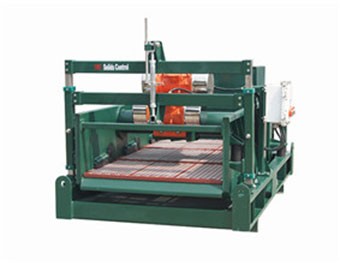 Linear Motion Shale Shaker In Drilling Rig
 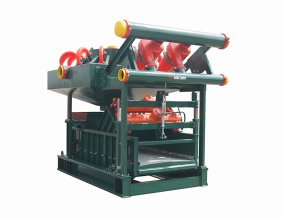 Oilfield Mud Cleaner
 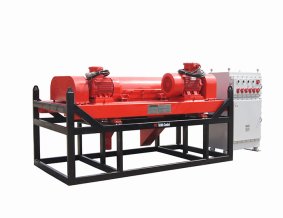 Drilling Fluid Decanter Centrifuge
 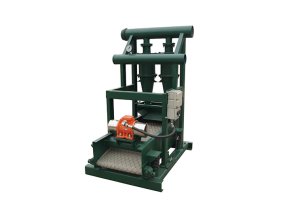 Drilling Mud Desander
 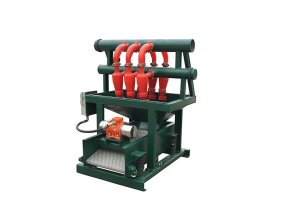 Hydrocyclone Desilter
 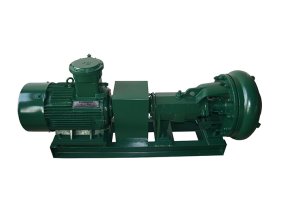 Centrifugal Pump/Centrifugal Mud Pump
 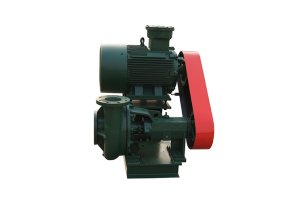 Shear Pump
 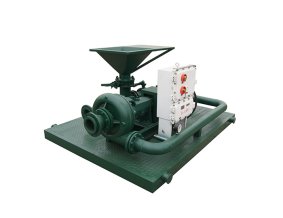 Jet Mud Mixer
 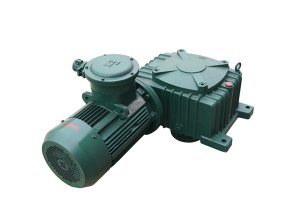 Horizontal Mud Agitator
 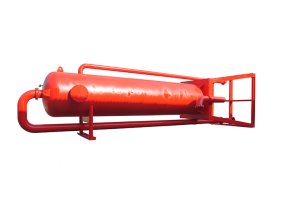 Constant Pressure Drilling Fluid Mud Gas Separator
 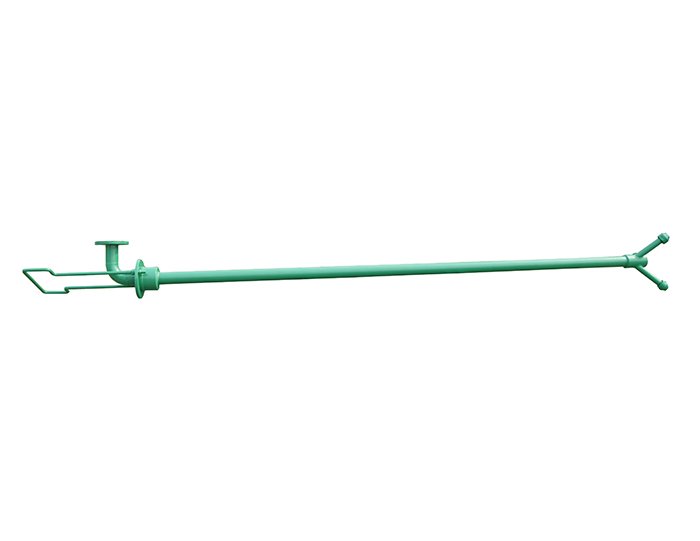 Mud Gun
  Mud Tank
 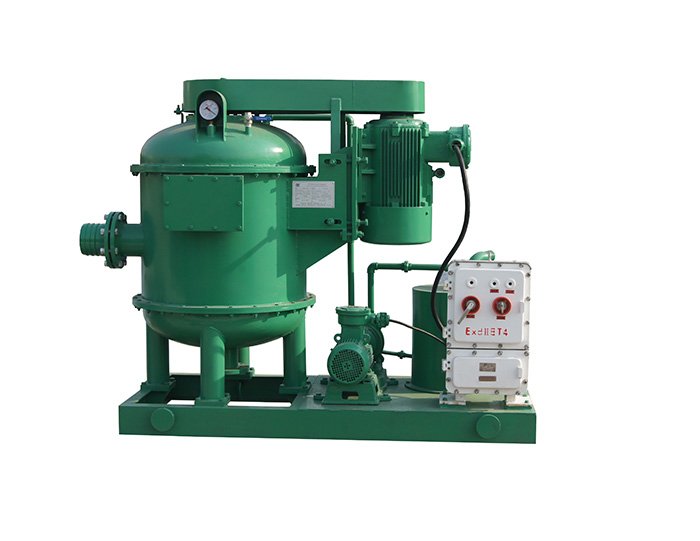 Solids Control System Vacuum Degasser
 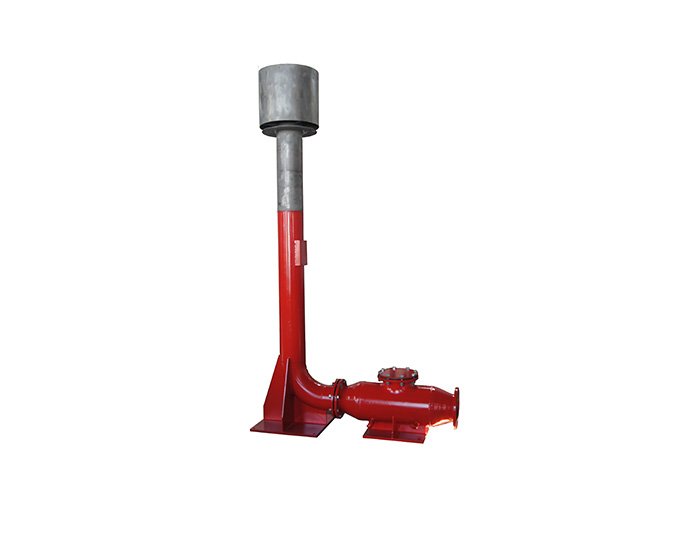 Flare Ignition Device
 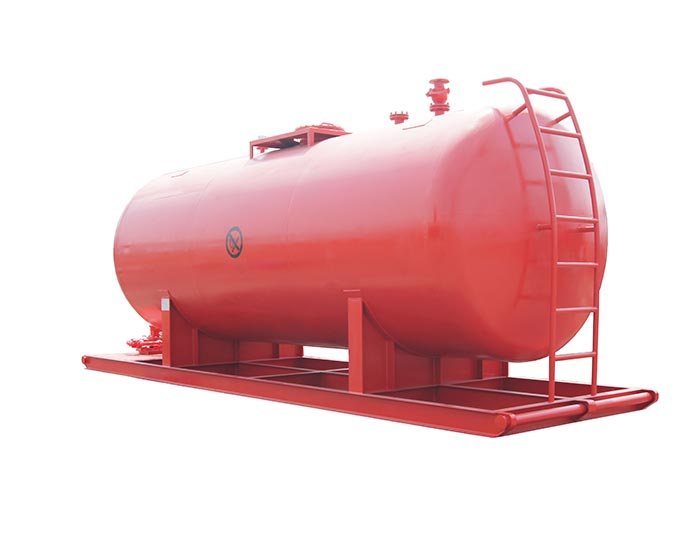 Diesel Tank
 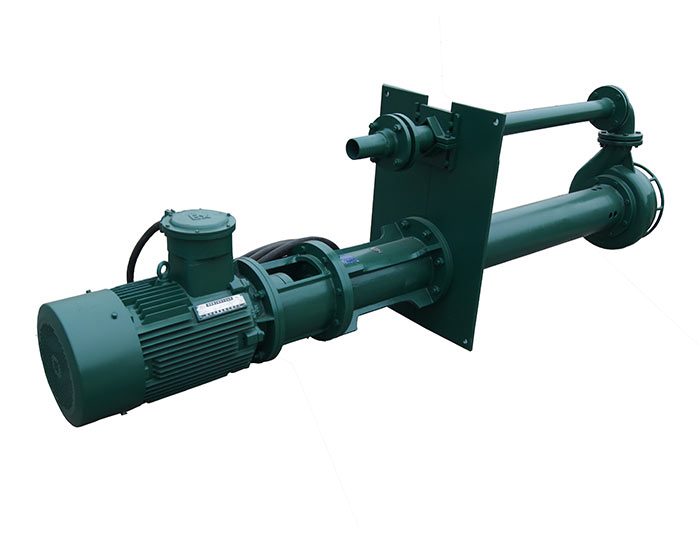 Submersible Slurry Pump