Efficient drilling fluid management is one of the most important factors influencing drilling performance, operational safety, and project profitability in the oil and gas industry. As drilling operations move toward deeper wells and more complex geological formations, the need for advanced solids separation technology continues to grow. Modern shale shaker systems have become a critical part of drilling fluid treatment processes, helping operators maintain cleaner drilling fluids while reducing waste and equipment wear.
In today’s drilling environment, drilling fluids must perform multiple functions simultaneously. They are responsible for carrying drilled cuttings to the surface, cooling and lubricating the drill bit, stabilizing the wellbore, and balancing formation pressure. However, these fluids are continuously contaminated by rock cuttings and abrasive solids generated during drilling operations. Without efficient separation technology, excessive solids accumulation can quickly reduce drilling efficiency and increase operational costs.
Advanced drilling shale shaker technology plays a key role in maintaining stable drilling fluid performance. Modern systems are designed to process large fluid volumes while maximizing solids removal efficiency. By integrating improved vibration systems, high-performance shaker screens, and intelligent control technologies, modern shale shakers provide more reliable and cost-effective drilling fluid management than ever before.

The Role of Shale Shaker in Modern Drilling Operations
A high-performance shale shaker serves as the first stage of solids removal within a drilling fluid circulation system. As drilling mud returns from the wellbore carrying drilled cuttings and debris, the shale shaker separates large solids before the fluid moves to additional treatment equipment such as desanders, desilters, and centrifuges.
The efficiency of the shale shaker directly affects the performance of the entire solids control process. If large quantities of solids bypass the shaker system, downstream equipment becomes overloaded, leading to reduced fluid quality and accelerated equipment wear.
Modern shale shakers are engineered to improve separation efficiency while maintaining high fluid handling capacity. Advanced vibration mechanisms help move solids across the screen surface efficiently, allowing cleaner drilling fluid to pass through the screens for reuse.
Proper solids separation also helps protect drilling equipment from excessive abrasion. Pumps, valves, pipelines, and drill string components are all vulnerable to wear caused by abrasive particles circulating within the drilling fluid. By removing solids effectively at the initial stage, shale shakers contribute to longer equipment service life and lower maintenance costs.
In addition to operational efficiency, environmental performance is becoming increasingly important in modern drilling projects. Effective shale shaker systems reduce drilling waste volume by improving fluid recovery, helping operators comply with environmental regulations and reduce disposal costs.
How Drilling Shale Shaker Technology Enhances Drilling Efficiency
Advanced drilling shale shaker systems are designed to improve drilling efficiency through optimized solids separation and fluid recovery performance. The quality of drilling fluid directly affects drilling speed, wellbore stability, and overall drilling safety.
When excessive drilled solids remain within the mud system, fluid density and viscosity can increase rapidly. This creates additional resistance within the wellbore, reducing penetration rates and increasing energy consumption during drilling operations.
Modern drilling shale shaker technology helps maintain stable fluid properties by continuously removing unwanted solids from the circulating mud system. Cleaner drilling fluids improve hydraulic performance and reduce friction between the drill string and the wellbore.
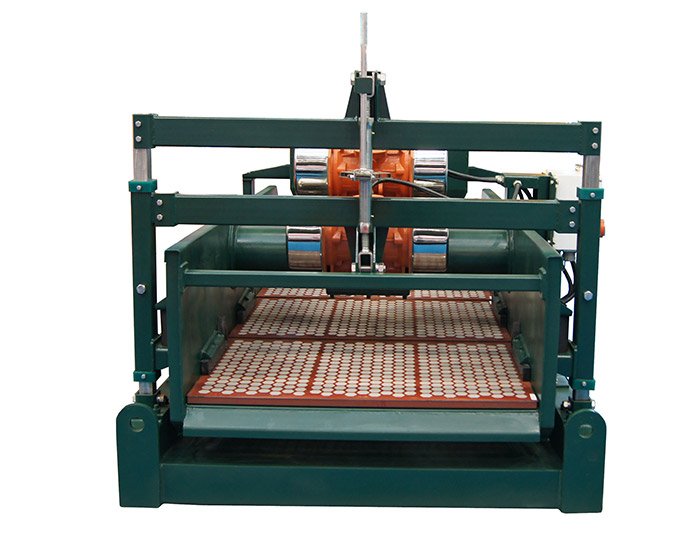
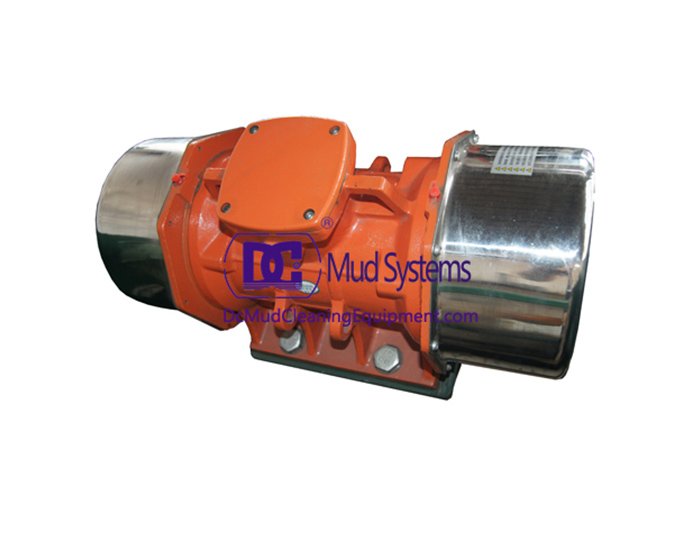
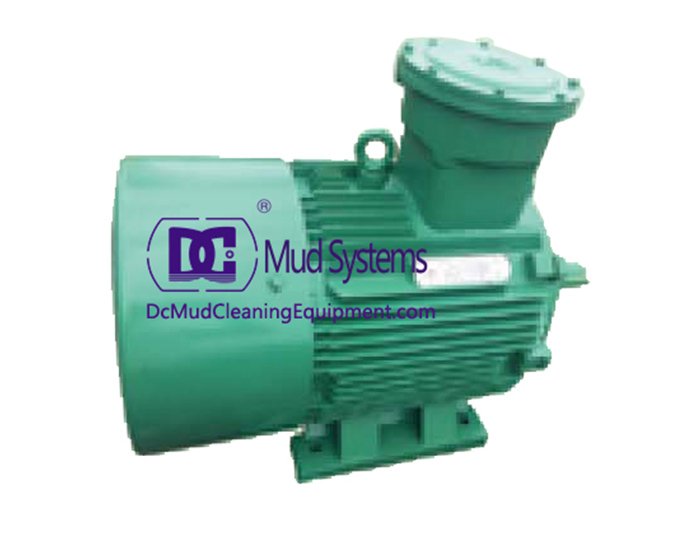
High-efficiency vibration systems are one of the most important innovations in modern shale shaker design. Advanced vibration motors generate consistent linear or elliptical motion patterns that improve solids conveyance across the shaker deck while maximizing fluid separation efficiency.
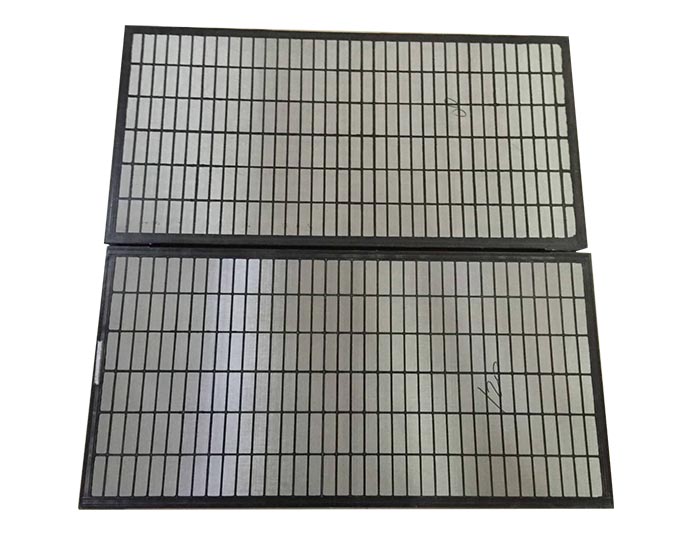
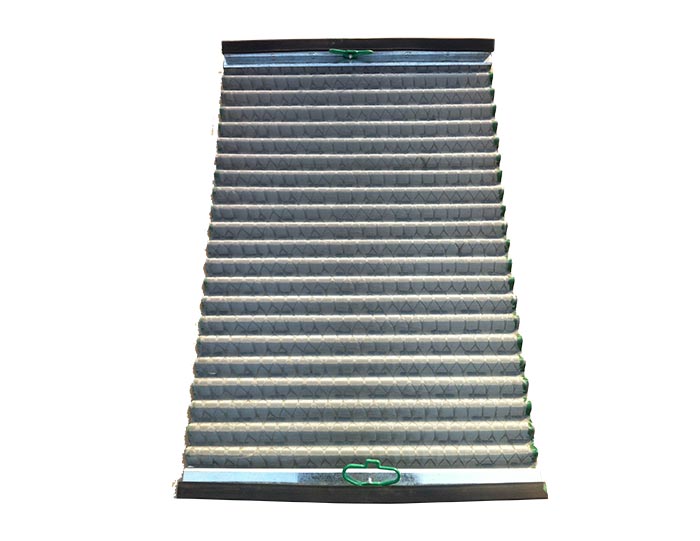
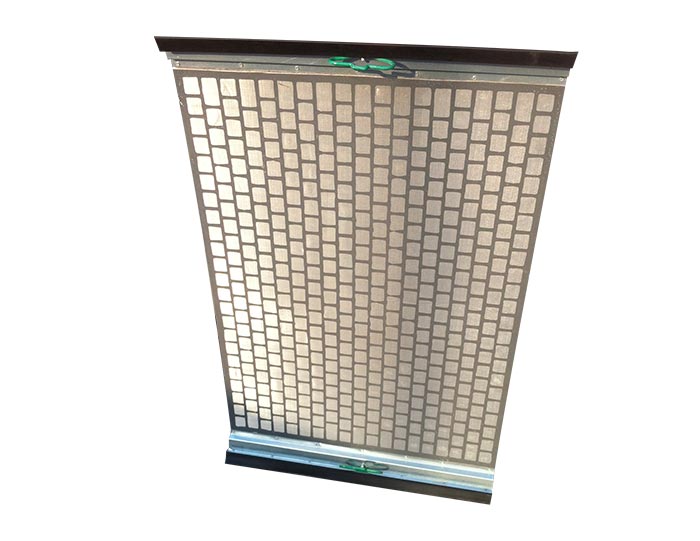
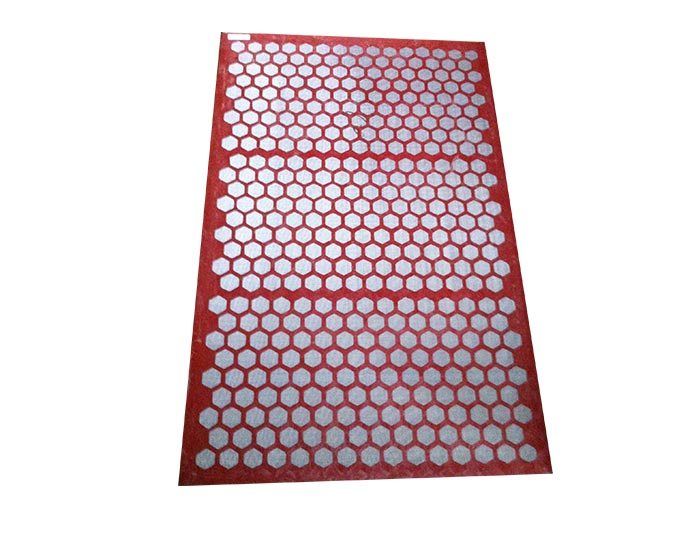
Screen technology has also evolved significantly. Composite shaker screens and high-strength mesh materials provide improved durability and longer operational life in abrasive drilling conditions. Better screen performance allows operators to process higher fluid volumes while maintaining accurate particle separation.
Automation is another major advancement in modern drilling shale shaker systems. Intelligent control technologies allow operators to monitor vibration intensity, fluid flow rates, and equipment performance in real time. These systems improve operational accuracy while helping prevent equipment overload and screen damage.
The Importance of Drilling Fluid Shale Shaker Systems in Solids Separation
A professional drilling fluid shale shaker system is essential for maintaining drilling fluid quality throughout the drilling process. Drilling fluid recycling not only reduces operational costs but also minimizes environmental impact by lowering fluid waste generation.
Modern drilling projects often involve expensive synthetic or oil-based drilling fluids. Efficient recovery and reuse of these fluids provide substantial economic benefits for drilling contractors. Advanced shale shaker systems help maximize fluid recovery while minimizing the loss of valuable drilling mud.
The performance of a drilling fluid shale shaker depends heavily on proper screen selection and vibration control. Different drilling conditions require different screen mesh sizes depending on formation characteristics and drilling fluid properties.
Fine mesh screens improve solids removal accuracy but may reduce fluid processing capacity if not matched correctly to operational conditions. Modern shaker systems allow operators to optimize screen configurations according to drilling requirements, balancing fluid throughput with separation efficiency.
Feed distribution technology is also critical for maintaining stable shaker performance. Uniform fluid distribution across the shaker deck prevents localized overloading and improves overall separation consistency.
Advanced drilling fluid shale shaker systems are increasingly designed with modular structures that simplify maintenance and reduce downtime. Quick screen replacement systems and easily accessible components allow operators to perform maintenance more efficiently during continuous drilling operations.
Why Shale Shaker in Drilling Is Essential for Equipment Protection
The role of a shale shaker in drilling extends beyond fluid cleaning alone. Effective solids separation also plays a major role in protecting valuable drilling equipment from excessive wear and premature failure.
Drilled solids circulating within the mud system can damage pumps, mud motors, valves, pipelines, and drill bits if not removed efficiently. Abrasive particles create continuous friction within fluid handling systems, leading to erosion and increased maintenance costs.
By removing coarse solids early in the circulation process, shale shakers help reduce the mechanical stress placed on downstream equipment. This contributes to longer equipment service life and improved operational reliability.
Stable drilling fluid properties also improve wellbore stability and reduce the risk of drilling complications such as stuck pipe incidents and formation collapse. Cleaner fluids provide better hydraulic performance and more consistent pressure management during drilling operations.
In offshore drilling environments, where maintenance operations can be particularly expensive and logistically challenging, reliable shale shaker performance becomes even more important. Equipment failures in offshore projects may result in significant downtime and operational losses.
Modern shale shaker systems are therefore designed with heavy-duty structural frames, corrosion-resistant materials, and high-performance vibration components capable of operating continuously under harsh field conditions.

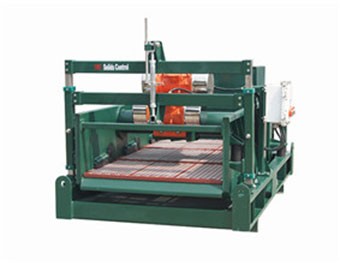 Linear Motion Shale Shaker In Drilling Rig
 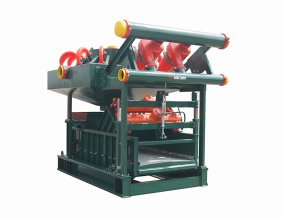 Oilfield Mud Cleaner
 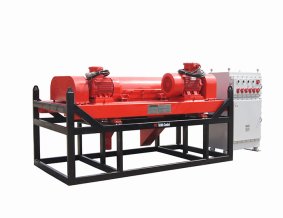 Drilling Fluid Decanter Centrifuge
 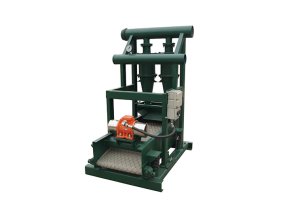 Drilling Mud Desander
 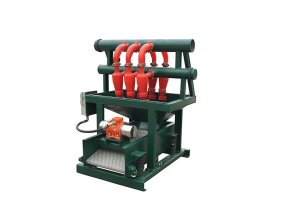 Hydrocyclone Desilter
 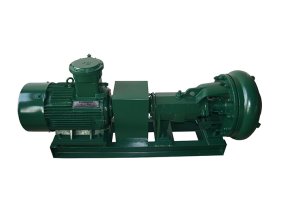 Centrifugal Pump/Centrifugal Mud Pump
 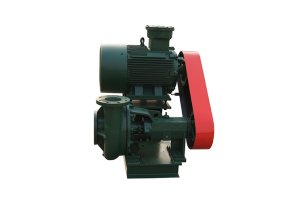 Shear Pump
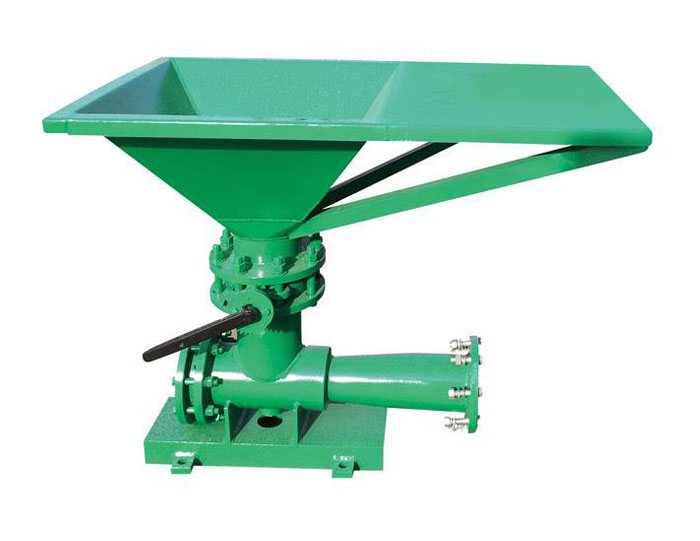
 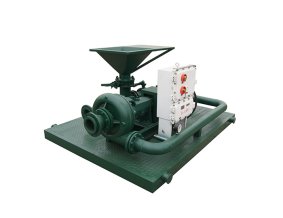 Jet Mud Mixer
 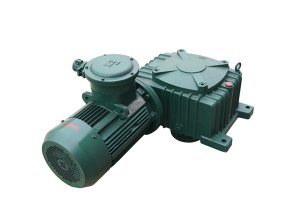 Horizontal Mud Agitator
 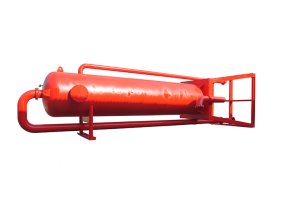 Constant Pressure Drilling Fluid Mud Gas Separator
 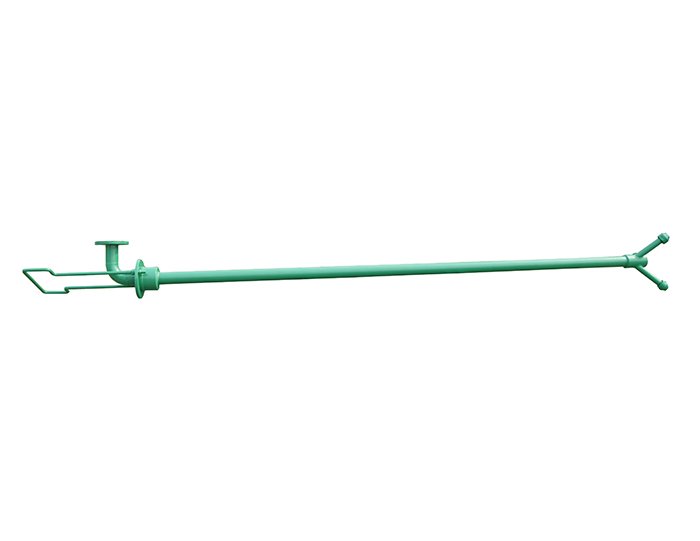 Mud Gun
  Mud Tank
 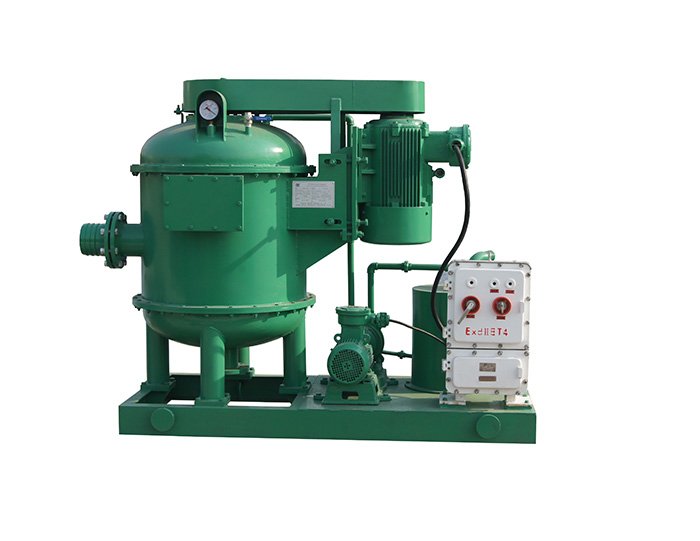 Solids Control System Vacuum Degasser
 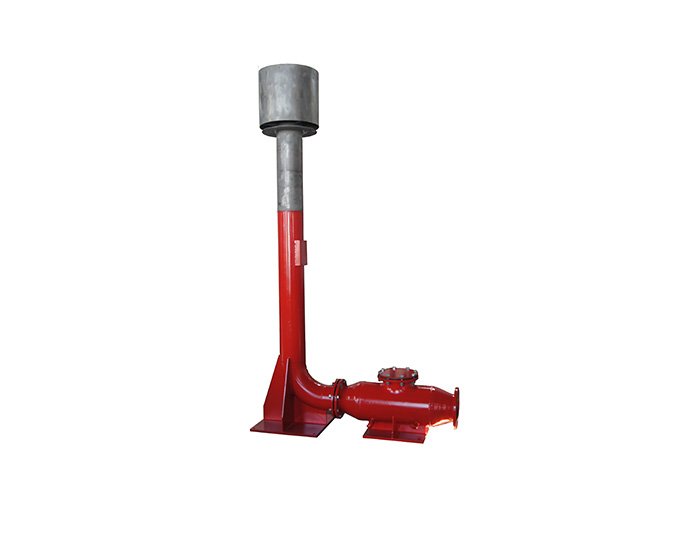 Flare Ignition Device
 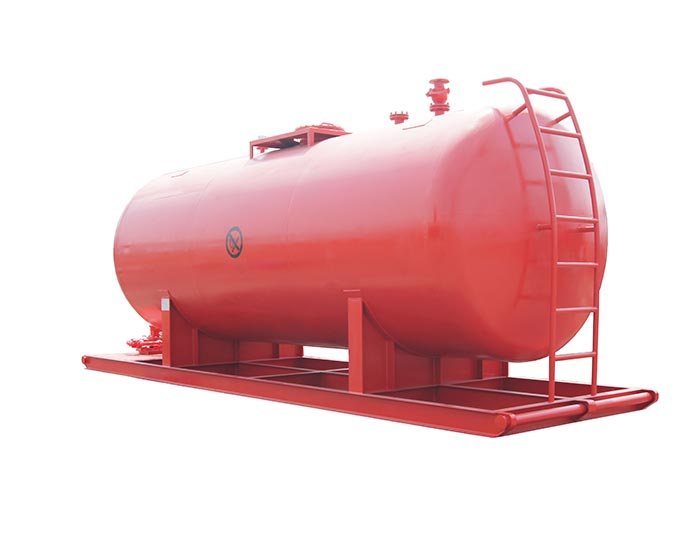 Diesel Tank
 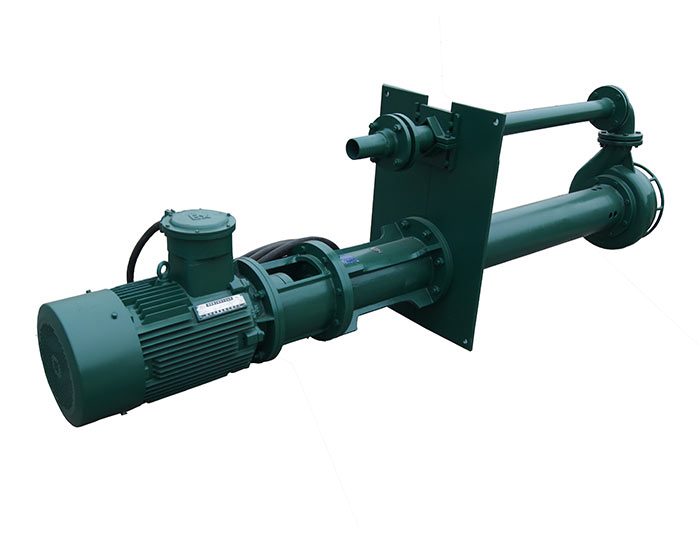 Submersible Slurry Pump